


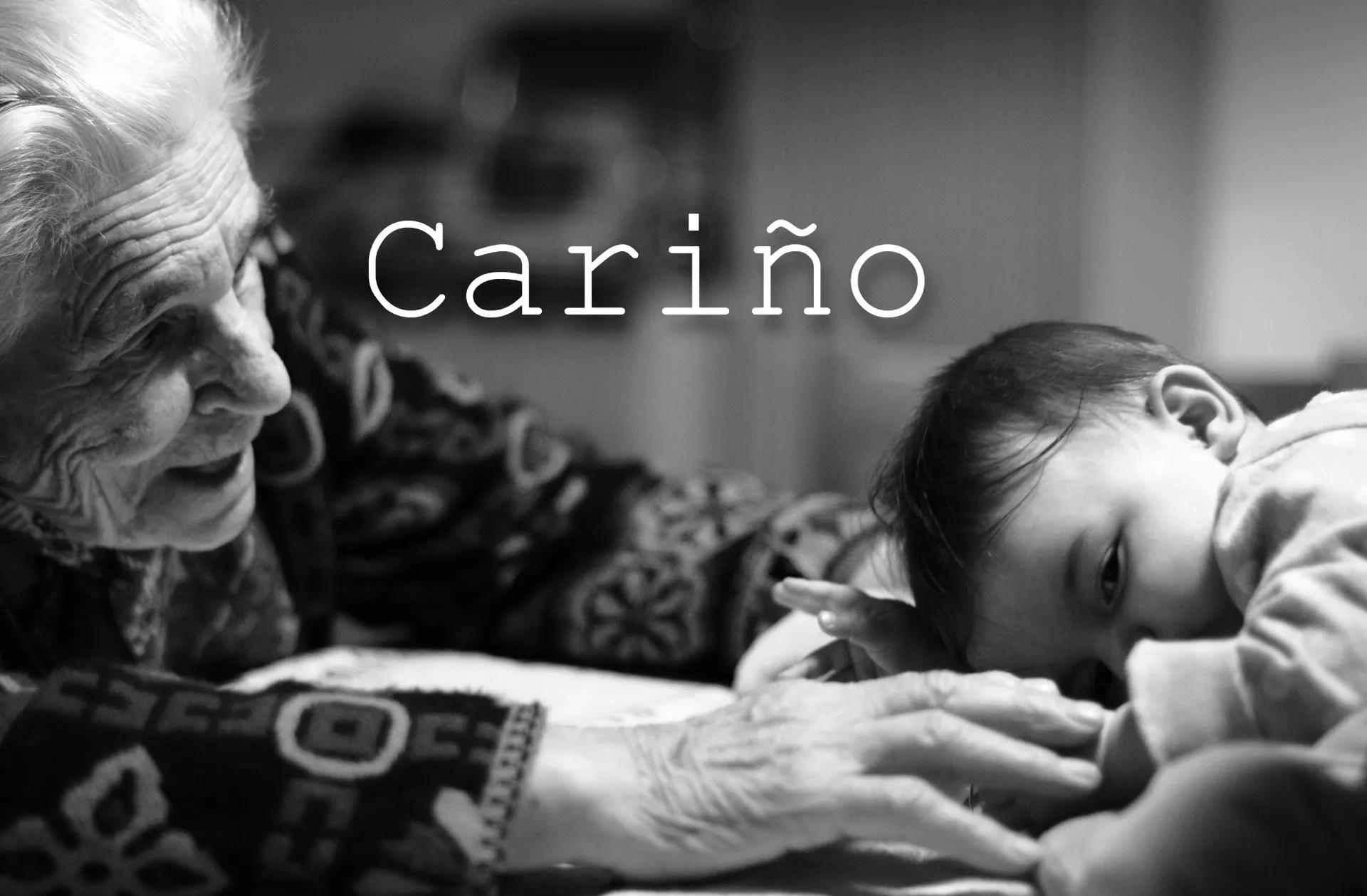
Here’s an essential Spanish word to know and understand in a country renowned for its affectionate people.
Cariño is a term of endearment in Spanish, like calling someone darling, dear, honey or love.
Just like in English, you’re more likely to hear cariño used among family members, couples, and sometimes friends.
You may also get the occasional shop assistant or abuela calling you cariño. It’s just a way of being friendly and affectionate.
But cariño can be used in other ways.
Cariño actually is the word for ‘affection’ in Spanish, so if you say tenerle cariño a alguien it means you feel affection for someone, but not in a romantic sense. So saying te tengo cariño is a bit like saying ‘I have a spot for you’ in English.
READ ALSO: ‘Te amo’ or ‘te quiero’? How to say I love you properly in Spanish
If you’ve grown fond of someone, can say cogerle cariño a alguien.
Equally, you can dar cariño a alguien, show affection to someone, physically or emotionally. Then there tratar con cariño, to treat with care or affection (it can also be an object).
You can sign off a letter or message with con cariño or con mucho cariño, a bit like writing ‘love’ or ‘lots of love’.
A person who is very affectionate can be described with the adjective cariñoso or cariñosa.
Cariño can sometimes be translated as ‘love’ in Spanish, but as we stated earlier not in a romantic sense. For example, el cariño incondicional de una madre hacia sus hijos, ‘the unconditional love of a mother towards her children’.
You can also say in Spanish mirar con cariño (look at affectionately or lovingly) or recordar con cariño (remember fondly).
So remember, cariño is used in a variety of ways to denote non-romantic love and affection.
Examples:
¿Cómo te encuentras, cariño mío?
How do you feel, my darling?
Le he cogido mucho cariño a tu perrito.
I’ve grown very fond of your little dog.
Te lo digo con cariño, tienes que dejar de comer basura
I tell you because I care, you have to stop eating rubbish.
Laura te manda cariño.
Laura sends love.


