


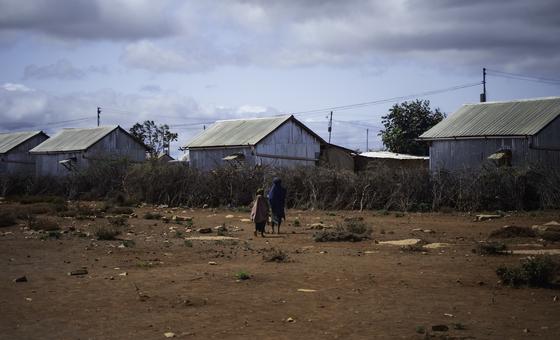
Somalia’s hunger crisis has worsened sharply in recent months, with more than half a million additional people now facing acute food insecurity compared to projections released in February.
The deterioration has been driven by poor Gu rainfall – the country’s main rainy season – rising food and fuel prices linked to the 2026 Middle East conflict, currency depreciation in southern regions, conflict-related displacement and growing flood risks.
Malnutrition surges
Nearly 1.88 million children are now expected to require treatment for acute malnutrition in 2026, up from earlier estimates.
In Burhakaba district in the southern Bay region, malnutrition levels have reached “extremely critical” thresholds, with communities facing a risk of famine under a worst-case scenario, according to the Integrated Food Security Phase Classification (IPC), the global food insecurity monitoring platform.
UN agencies and partners warned that assistance is currently reaching only 12 per cent of people facing crisis-level hunger or worse, and called for an urgent scale-up in aid to prevent further loss of life.
A displacement camp in Goma, capital of the North Kivu region, for civilians fleeing violence earlier this year.
Millions facing emergency food shortages in the DR Congo
Elsewhere in Africa, the UN Food and Agriculture Organization (FAO) and the World Food Programme (WFP) warned that the Democratic Republic of the Congo (DRC) continues to face one of the world’s largest and most severe hunger crises.
More than 26 million people – nearly one in four Congolese – are struggling to meet their basic food needs, according to the latest IPC analysis.
Conflict, mass displacement, soaring food prices and disease outbreaks including cholera, measles and mpox continue to drive the crisis, particularly in the eastern provinces of North Kivu, South Kivu, Ituri and Tanganyika.
More than 3.6 million people are facing emergency levels of hunger, while 7.8 million people have been displaced across the country.
Aid falls short
The nutrition crisis is also rapidly deepening. More than 4.1 million children under five are expected to require treatment for acute malnutrition in 2026, including 1.3 million facing severe acute malnutrition, a life-threatening condition if left untreated.
Over 1.5 million pregnant and breastfeeding women are projected to be acutely malnourished, further compounding health risks for both mothers and children.
Humanitarians warned that assistance remains far below what is needed due to insecurity and major funding shortfalls, with FAO and WFP calling for urgent support to prevent conditions from worsening further.
Fuel shortages and blackouts deepen crisis in Cuba
Cuba is facing a worsening energy crisis as severe fuel shortages and prolonged blackouts continue to disrupt services nationwide.
The outages are placing growing pressure on hospitals, water systems and public transportation, while communities struggle with increasingly unstable access to electricity and other basic services.
UN officials warned that the situation has deteriorated in recent days, with fuel reserves nearly exhausted and no immediate imports expected.
UN expands humanitarian response
The UN Country Team in Cuba, led by Resident Coordinator Francisco Pichón, is continuing to support national authorities and affected communities as the crisis deepens.
Through a UN plan of action linked to Hurricane Melissa and the energy emergency, more than $32 million has been mobilized to assist vulnerable communities.
“This has enabled the transport of 48 containers carrying water, sanitation, health, shelter and protection supplies to the hardest-hit provinces in eastern Cuba,” UN Deputy Spokesperson Farhan Haq told journalists at UN Headquarters in New York.
Food assistance has reached around 900,000 people, while solar-powered water pumps, portable treatment plants and backup generators installed in more than 20 health facilities are helping sustain critical services.


