


Following the formal approval of Spain’s controversial migrant amnesty, up to 800,000 undocumented migrants could gain legal residency in the country. With that comes the right to a number of state benefits.
Spain’s migrant regularisation has now been approved by the cabinet and applications will soon start coming in.
The measure, which will give legal status to up to 800,000 undocumented migrants, has gained international headlines and caused controversy within Spain.
It’s also generated a host of misconceptions and fake news, such as the false idea that these migrants will be able to vote in general elections or gain Spanish citizenship.
Read The Local’s mythbuster breaking down all the misinformation here.
However, as legal residents (or soon to be) those migrants benefiting from the amnesty will gain certain rights to state aid and benefits. But which ones?
Put simply, migrants who get residency via the mass regularisation will gain the same rights and entitlements as any other legal residents in Spain.
Transport subsidies
Foreign nationals with legal residence in Spain can apply for transport subsidies, such as those available for professionals who need to use diesel vehicles for work, grants for electric vehicle purchases, or public transport discount schemes.
Healthcare
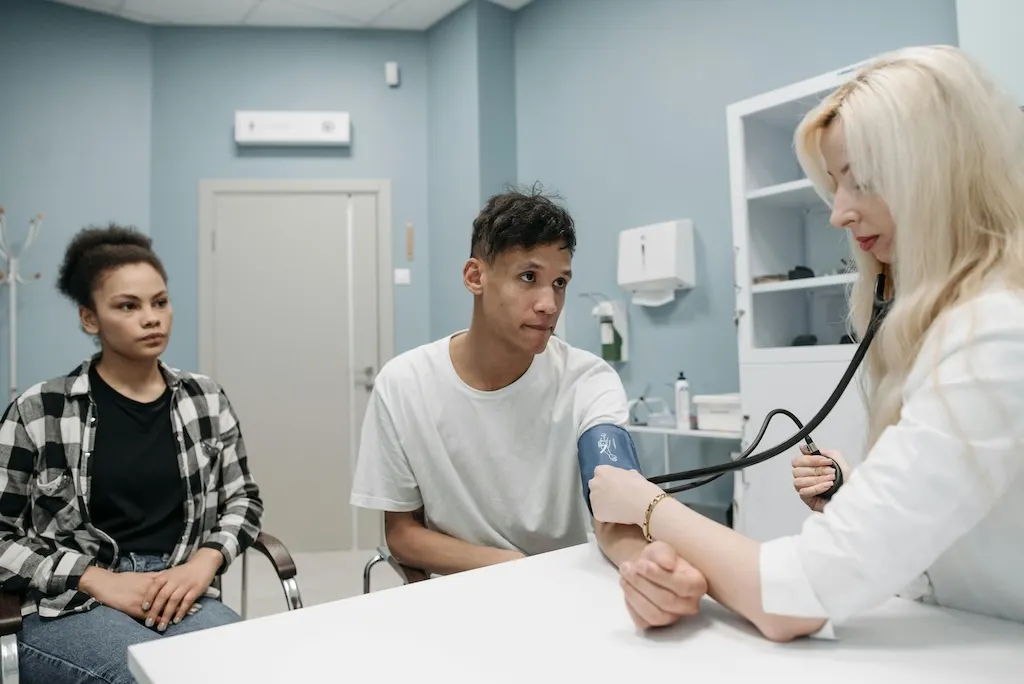
The amnesty also includes access to the public healthcare system and a health card for the region where migrants are registered, entitling them to public healthcare in the same way as a Spanish citizen.
Access to education
Although minors are already entitled to access the Spanish education system regardless of whether they have legal residence or not, having legal residence also enables access to post-compulsory education in Spain, meaning that adults can study.
Those who get legal papers now will therefore be able to obtain qualifications such as the bachillerato or university degrees on the same terms as any other legal resident.
READ ALSO: How to apply for Spain’s migrant regularisation
Advertisement
Birth and adoption grants
Another grant available to those legally resident in Spain is the birth or adoption grants (known as ayuda por Nacimiento o adopción in Spanish).
The benefit consists of a one-off payment of €1,000, provided that a certain income threshold is not exceeded and the applicant falls into one of the following categories: single-parent families, large families, or where the mother has a disability of more than 65 percent and the birth or adoption took place in Spain.
Social security and housing assistance
Legal residence also entitles you to some social security benefits and social services. It should be noted that each of these benefits has specific eligibility criteria. Amongst these, housing benefits are one of the most sought-after. In Spain, housing aid is usually paid out on a regional level, so applicants should enquire with their local government.
Gender violence
Another form of support available is the allowance for victims of gender-based or sexual violence.
To qualify, in addition to having been a victim of gender or sexual violence, you must be unemployed, registered as a jobseeker, or be working part-time.
Advertisement
Minimum income
Undocumented migrants who benefit from the regularisation will not be able to gain access to minimum income aid in Spain, known as Ingreso Mínimo Vital or IMV.
One of the general requirements for the IMV is that you must have had legal and effective residence in Spain for at least one year. Therefore, those who obtain legal residence through the mass regularisation process will have to wait a year before they can apply for it.
Note that being legally resident in Spain does not automatically guarantee access to this benefit, as you will still need to meet the other requirements necessary to receive the IMV.


