

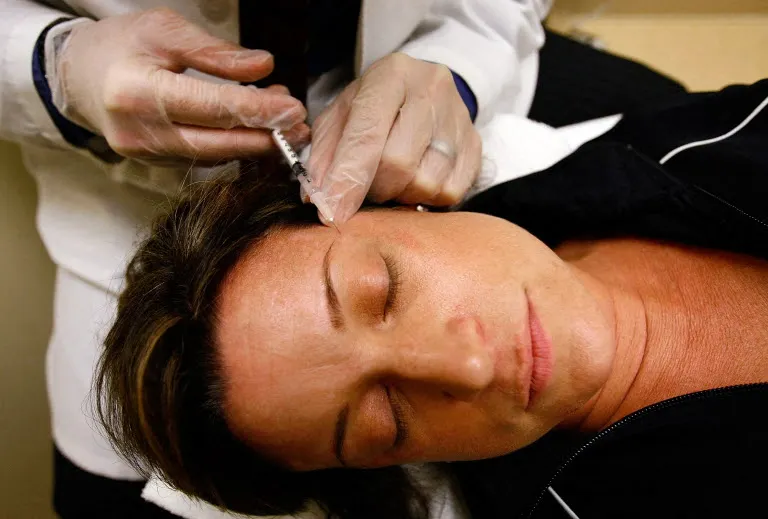
Are you considering getting botox treatments in Spain? Here’s what you need to know about how it’s regulated in the country, who is allowed to perform the injections and average prices.
Interest in anti-ageing procedures such as botox and similar skin treatments has skyrocketed globally in recent years, and Spain is no different.
More than 400,000 Botox procedures are performed annually across the country. Treatment can help to reduce crow’s feet around the eyes, horizontal frown lines on the forehead, as well as other facial wrinkles.
Aesthetic medicine in Spain is subject to strict regulations, fortunately. This protects patients from taking unnecessary risks and ensures they are in good hands and that the procedures are performed correctly.
They also ensure treatments are performed by qualified professionals in appropriate settings, using approved products, and follow established clinical protocols.
According to the College of Dentists and Stomatologists of Lugo, there has been an increase recently in unqualified individuals offering these treatments in non-clinical settings, such as hair salons or beauty centres, and even in private homes.
These practices are not only illegal, but also pose a significant health risk to patients. The college claims that the improper administration of these products can lead to serious complications, ranging from infections to temporary facial paralysis.
Therefore, it’s important to know what the rules are and where to go to get these injections in order to stay safe.
The Spanish Agency for Medicines and Health Products (AEMPS) is the national regulatory body under the Ministry of Health that oversees all medicines for human use in Spain. It therefore regulates the use of botulinum toxin, commonly known as botox.
One of the most important things to understand is that botulinum toxin for aesthetic or medical purposes is not classified as a cosmetic product here, but a medicine for human use requiring a prescription from a licenced doctor.
This means botulinum toxin and hyaluronic acid should only be purchased through official and authorised channels. You should not be purchases them illegally or various places online.
Only pharmaceutical laboratories authorised by AEMPS and the European Medicines Agency (EMA) can produce and market botulinum toxin in Spain.
Spanish legislation under Royal Decree 1718/2010 establishes that the prescription and administration of medications is reserved for professionals legally authorised to do so.
This means only physicians with an official medical degree and registered with the Spanish Medical Association can prescribe and administer botox.
It’s important to be aware that nursing staff, aestheticians, or other non-medical professionals are not allowed to give botox injections independently. They may do so only under the supervision of a physician.
This means that you must be assessed and prescribed the medications by a licenced physician and they must be the one who also decides where the injections should go.
In addition to this, it’s important to know that you must sign a consent form in order to get botox in Spain. It should give you a clear explanation of what the treatment involves and risks associated with it, as well as any potential side effects and a description of expected results. It should also explain that the effects are temporary and usually last between three to six months.
The effects typically begin to be noticeable between 48 and 72 hours after the injections, reaching their peak at 7-14 days.
If it’s used over time, however, it can help to reduce repetitive muscle contractions that are responsible for the creation of these facial lines or wrinkles and improve skin texture.
Overall, if you want to get botox treatments in Spain, it’s important to do your research and only go to places that are properly licenced.
The average price of a botox treatment in Spain usually ranges from €300 to €500 per full session, varying mainly according to the number of areas of the face you decide to treat.
The average price per individual area in Spain is around €143, two areas goes for around €250, three for around €380 and so on.
If you come across offers which are much cheaper than that, this should raise some alarm bells.
The ‘baby botox’ modality, which consists of applying lighter and preventive doses in young patients, usually costs around €300.
Pricing usually includes initial consultation, the actual treatment and follow-ups.
