

The record-breaking temperatures and prolonged drought that struck Switzerland this summer are impacting the prices of certain consumer goods this autumn.
The weather in the summer of 2026 was, according to meteorologists, “the hottest since records began in 1864.”
It was also one of the driest.
It is therefore not surprising that the highest temperatures in 162 years have left a mark on many aspects of life in Switzerland:
READ MORE: How the heatwave has hit daily life in Switzerland
One of the many consequencs of this combination of extreme heatwaves and prolonged drought is that prices of some products are going up.
What is (or will become) more expensive in Switzerland?
The sector which has been hit hardest by intense heat and lack of rain is agriculture.
According to the Swiss Farmers’ Union (SBV), total losses for Swiss agriculture in 2026 will amount to half a billion francs.
Damaged – and therefore limited – crops, along with production costs that have soared due to the need for higher volume of irrigation (in order to counteract, at least somewhat, the dry soil), have had a direct impact on prices that consumers will pay.
So far, the SBV has confirmed higher prices for potatoes – as many have been damaged by weather conditions, resulting in a yield that is 20 percent lower than the average of the last six years.
Therefore, be prepared to pay more for this product in a supermarket, though the exact increase is still not determined.
Also, locally produced French fries and potato chips are likely to be smaller and more expensive as well.
Next: Milk
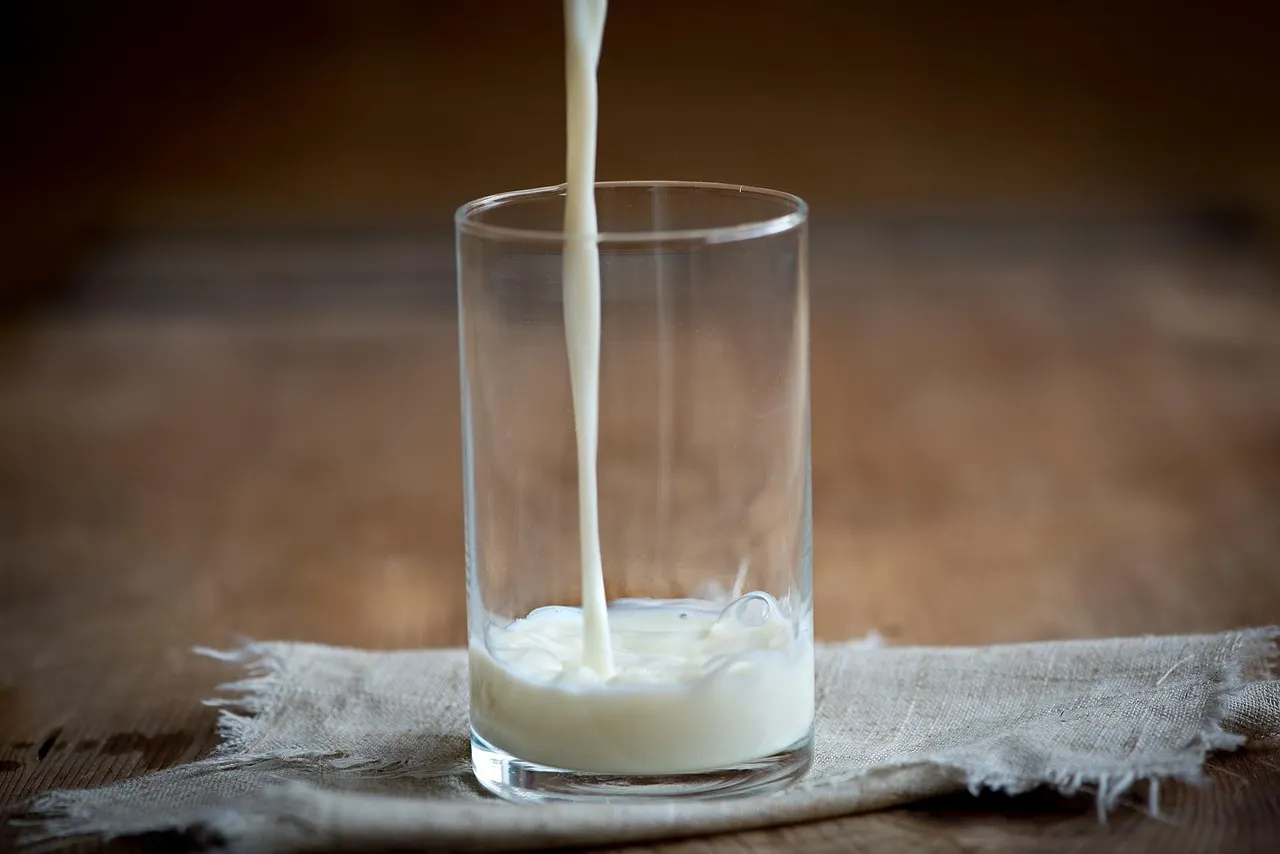
The price of milk and its derivatives– that is, dairy products like yogurt, butter and cheese – will also go up, most likely by at least 4 cents.
You may wonder why, since milk – unlike crops – is not grown.
However, due to continued drought conditions, many farms in Switzerland ran out of hay to feed their cows.
Some dairy farmers even had to resort to drastic measures such as slaughtering some of their stock; the remaining cows did not always produce the usual amount of milk.
The SBV said other agricultural products like fruit and vegetables are likely to experience price increases as well.
What else is becoming more expensive?
Price hikes don’t just affect the food – petrol also costs more.
That’s because due to persistent drought, which has caused the water level in the Rhine river to drop, fewer tankers can transport fuel from the North Sea ports to Basel.
But that’s not all.
You may not see it immediately, but when the weather gets cooler, you will notice that heating oil will be over 30 percent more expensive than a year ago.
The reason is that the bulk of this energy source comes from abroad and supplied to Switzerland via the same waterway – the Rhine.
