When someone is having a stroke, it can be a very serious and scary situation, so it’s important to know what to look out for, act quickly and follow the correct steps. Here’s what you need to do if you’re in Spain.
A stroke is a medical emergency and occurs when blood flow to part of the brain is suddenly disrupted. It’s important to act quickly because the sooner the person is treated, the better their outcome for recovery.
When you’re in another country, it can be confusing to know what the protocols are and if you should follow the same steps as in your home country. You may not know the correct vocabulary to use or if the procedures are the same when it comes to getting someone help.
In Spanish a stroke is known as ictus, so it’s important to know and be aware of this word.
READ ALSO: What breast cancer screening does Spain’s public health system offer?
Don’t miss our journalists’ daily news roundup from Spain
According to Spain’s Ministry of Health, anyone can have a stroke. Although it is more common after the age of 65, the number of cases in people between ages 20 and 64 have increased by 25 percent in recent years.
The Spanish Society of Neurorehabilitation says that one in four Spaniards will suffer a stroke at some point in their life and that more than 30 percent of survivors in Spain are left with lasting impairments.
They say that only 50 percent of the Spanish population would be able to recognise the symptoms of a stroke and there is a lack of awareness regarding them. This means that the emergency ‘Stroke Code’ protocol is activated in only 40 percent of cases that reach the hospital.
Because of this, it’s important to familiarise yourself with the signs and know exactly what to do if you suspect that you or someone else is suffering from one.
In English, according to organisations like the American Stroke Association, it’s said that the words to remember when you suspect someone might be having a stroke is BE FAST.
B – Balance
Is the person experiencing a sudden loss of balance or coordination? Is the person having trouble walking or feeling dizzy?
E – Eye changes
Ask the person if they are experiencing blurred vision, double vision, or loss of sight in one or both eyes.
F – Face
Is one side of their face drooping? Ask them to smile to see if one side may be paralysed.
A – Arms
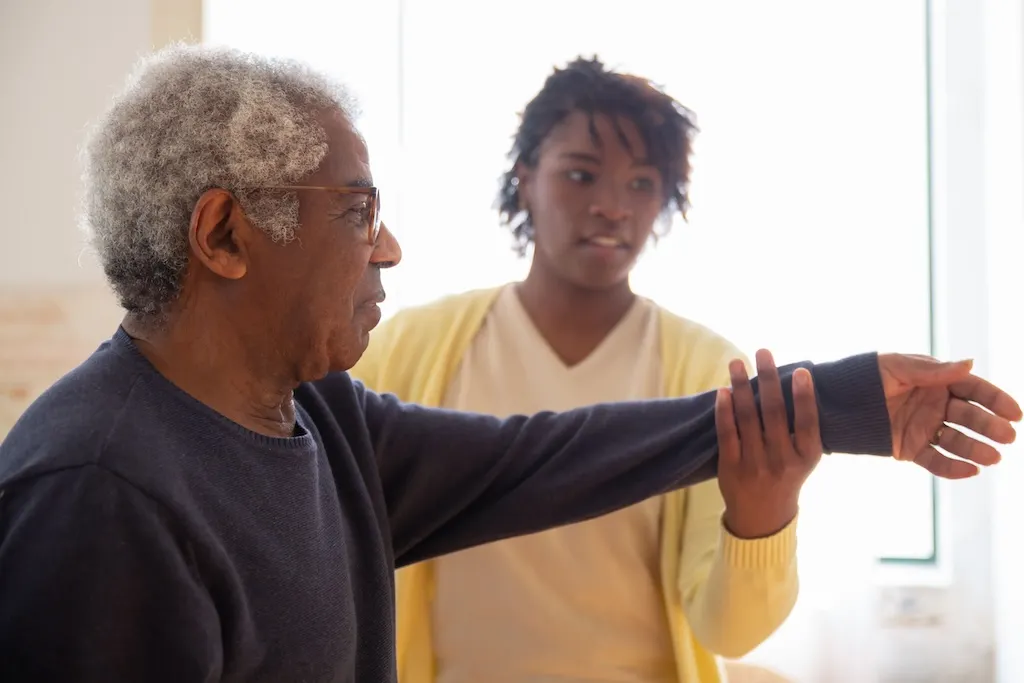
Is one arm weak or numb? If you ask the person to raise both arms, can they keep them up?
S – Speech
Does the person have slurred speech or are they difficult to understand?
T – Time
It’s time to call the emergency services if someone is experiencing these symptoms.
READ ALSO: 13 key questions answered about getting the flu vaccine in Spain
In Spanish, they have also come up with an acronym on what you should look for, which is similar to the English one. They use the word rápido (fast).
R – Rostro caído
Is the face drooping?
Á – Alteración del equilibrio
Is the person experiencing a loss of balance or coordination?
P – Pérdida de fuerza
Is the person experencing arm or leg weakness?
I – Impedimento visual
Is the person experiencing a sudden loss of vision or difficulty seeing properly?
D – Dificultad para hablar
Is the person having difficulty speaking? Do they have slurred or strange speech?
O – Obtén ayuda rápido
Get help quickly.
Dr. Gerardo Conesa, head of the Neuroscience Institute at Teknon Medical Centre says that when it comes to a stroke “every minute counts”. He explains that every minute without blood supply, approximately two million neurons are lost.
According to the doctor, response time determines treatment, recovery, and the risk of long-term effects and delaying care can increase neurological damage and limit options.
If you suspect someone is having a stroke or they are experiencing any of the symptoms above, call the emergency services on 112 immediately and explain the situation. They should send an ambulance as soon as possible.