


BAKU, Azerbaijan, August 13. Uzbekistan and
South Korea are expanding cooperation in agriculture, education and
food production, with plans for an agritech university, smart
farming projects and new food-processing initiatives.
This was reflected in a statement from Uzbekistan’s Ministry of
Agriculture following a visit by a delegation led by Deputy Prime
Minister Jamshid Khojayev, during which a series of meetings were
held with South Korean companies and institutions.
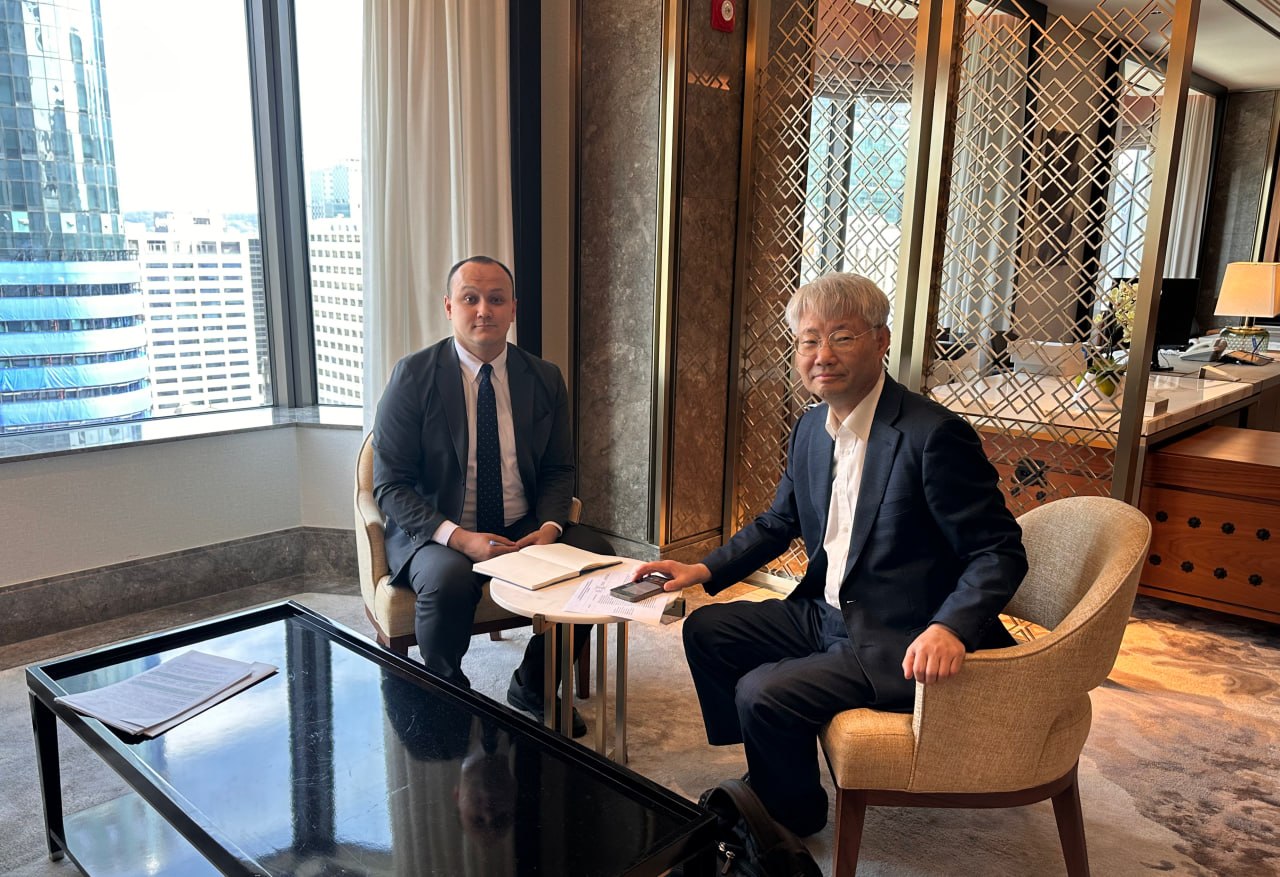
”During talks with Lee Dong Jin, president of Dankook
International Cooperation in Agriculture (DICA), the sides
discussed establishing a Korea-Uzbekistan AgriTech University in
Uzbekistan,” the ministry says.
The proposed university would operate under a ”3+1” education
model, offering programs in smart agriculture, agribusiness
management, biology and food technologies. The parties also
discussed developing the university’s technical infrastructure and
agreed to sign a cooperation agreement on the project.
The Uzbek delegation also met with representatives of TG to
discuss the implementation of a smart agriculture project in
Uzbekistan. The talks focused on establishing a smart farm,
introducing advanced technologies, training specialists, and
providing opportunities for Uzbek professionals to receive further
training in South Korea.
The sides also agreed to test Korean varieties of vegetables and
melon crops in Uzbek greenhouses, potentially creating new
opportunities for technology transfer and agricultural
production.
Cooperation in the food industry was another focus of the visit.
Discussions with Sungshin L&P and Dongwon F&B covered plans
to produce new products in Uzbekistan, including kimchi and
seaweed-based chips, as well as opportunities to expand the import
and export of Jeju tangerines.
The sides noted that Dongwon F&B products are already being
sold in Uzbekistan through the Korzinka retail chain and discussed
expanding the company’s presence in the Uzbek market.
The meetings reflect Uzbekistan’s broader efforts to modernize
agriculture through technology, strengthen agricultural education
and develop domestic food processing. Deeper cooperation with
Korean companies could also support technology transfer, workforce
development and the production of higher-value agricultural and
food products.
The parties agreed that representatives of the Korean companies
would visit Uzbekistan in August to further discuss the proposed
initiatives and advance promising projects toward
implementation.
”It was emphasized that these initiatives will serve to attract
advanced technologies to agriculture in Uzbekistan, train qualified
personnel, and increase the potential for exports in the
agricultural sector,” the statement said.


