


“He is particularly concerned about attacks on civilian infrastructure in Iran and across the region,” said UN Deputy Spokesperson Farhan Haq. “Such attacks are unacceptable.”
A month ago, Tehran and Washington signed a Memorandum of Understanding following the launch of an intense bombing campaign by the US and Israel in late February.
Interim agreement
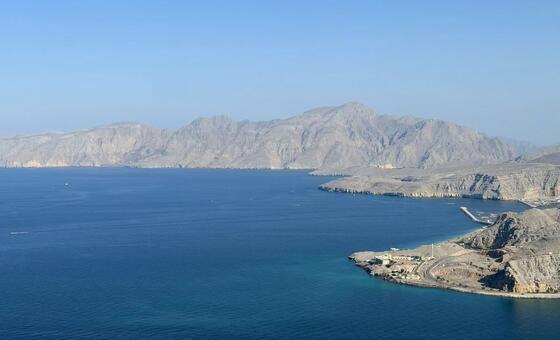
Iran launched counterstrikes it said were targeting US bases and infrastructure in neighbouring Gulf States, destabilising the entire region and bringing commercial maritime traffic in the crucial Strait of Hormuz chokepoint to a standstill.
Kuwaiti authorities reported on Friday that Iranian strikes had hit a power and desalination plant, causing damage to the facility which is currently being assessed.
The interim deal under the MoU, included a ceasefire and the opening of the waterway that normally carries one fifth of the world’s oil and gas supplies.
Iran’s interpretation of the MoU was that it left Tehran ultimately in control of the strait, and at liberty to demand tolls for safe passage – a view rejected by the US and the international community, which insists that there must be freedom of navigation, without fees.
‘No military solution’
Strikes and counterstrikes have escalated in the past two weeks, including ongoing attacks by the US which have reportedly hit bridges and other primarily civilian infrastructure inside Iran, damaged targets in the region and shuttered the Strait following further Iranian attacks on shipping.
The UN chief reiterated his firm conviction that “there is no military solution to this conflict and calls for stepped up diplomatic efforts towards a peaceful and durable settlement”, Mr, Dujarric said.
He added that such a settlement should include the full restoration of international navigational rights and freedoms in and around the Strait of Hormuz.

