

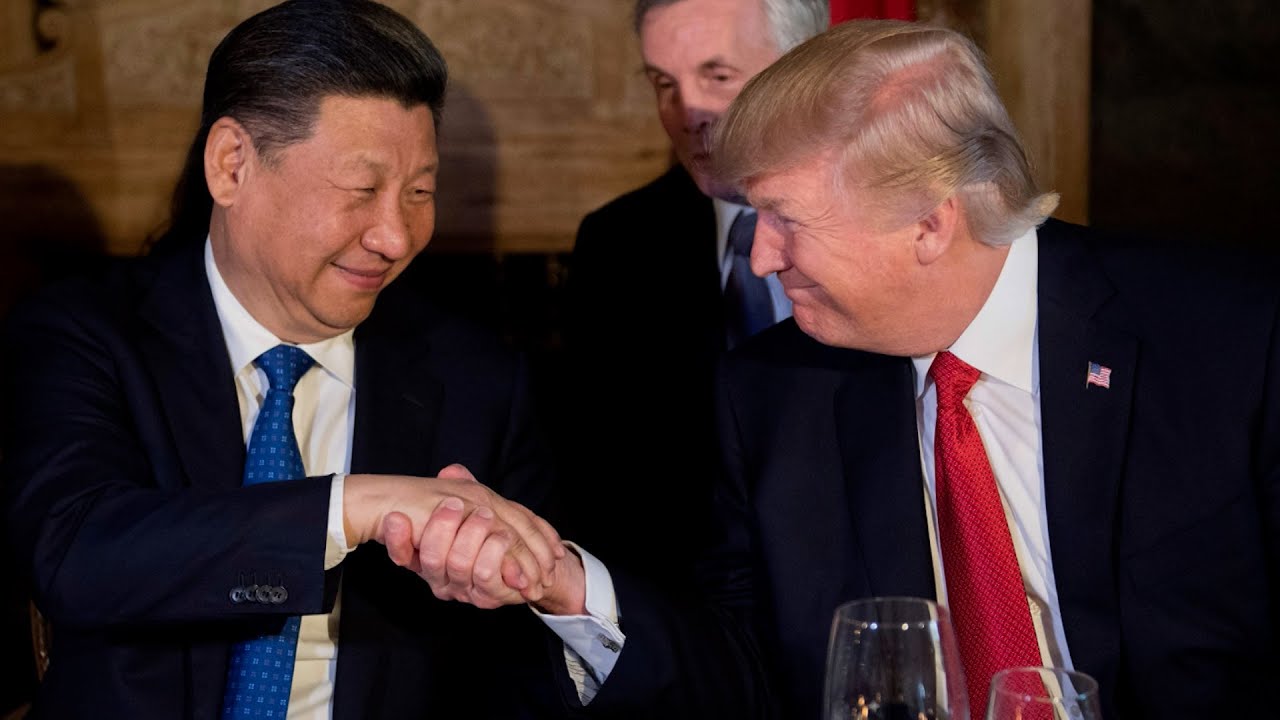
U.S. President Donald Trump is scheduled to meet with Chinese President Xi Jinping in Beijing for a two-day summit aimed at stabilizing bilateral relations amidst significant geopolitical and economic tensions. The talks are expected to cover a broad spectrum of issues, including trade agreements, the war in Iran, Taiwan, nuclear arms control, and the development of artificial intelligence, as both leaders seek to address areas of conflict while exploring potential cooperation on economic and technological matters.
Key Points
- Economic Cooperation: The two nations are expected to announce forums for trade and investment, alongside Chinese commitments to purchase American agricultural products, Boeing aircraft, and energy resources.
- Trade War Status: Discussions will address the potential extension of a trade truce that currently facilitates the flow of Chinese rare earth minerals to the U.S., with U.S. officials expressing confidence in an eventual renewal.
- Geopolitical Tensions: President Trump intends to pressure President Xi regarding China’s economic and material support for Russia and its influence over Iran, urging Beijing to help resolve the ongoing conflict between Iran and the U.S.-Israel coalition.
- Strategic Disagreements: The summit will address persistent friction over Taiwan, with the U.S. reaffirming its support for the island despite China’s increased military presence in the region.
- AI and Nuclear Policy: The U.S. administration aims to establish formal communication channels regarding the risks of advanced artificial intelligence; however, China continues to show reluctance toward participating in nuclear arms control discussions.
China has officially confirmed that U.S. President Donald Trump will conduct a three-day state visit to Beijing, marking his first trip to the country since his 2017 term. This high-stakes summit with President Xi Jinping is intended to project stability between the world’s two largest economies, with discussions centered on trade, investment mechanisms, and industrial agreements, while observers closely monitor potential dialogue regarding the ongoing conflict in Iran and issues related to Taiwan.
The upcoming talks come at a pivotal moment as China continues to assert itself on the world stage, while the United States seeks to recalibrate its approach to Beijing. Experts believe this meeting could influence future diplomatic and economic policies for both nations. It also signals a desire to manage conflicts through direct dialogue rather than confrontation.


