


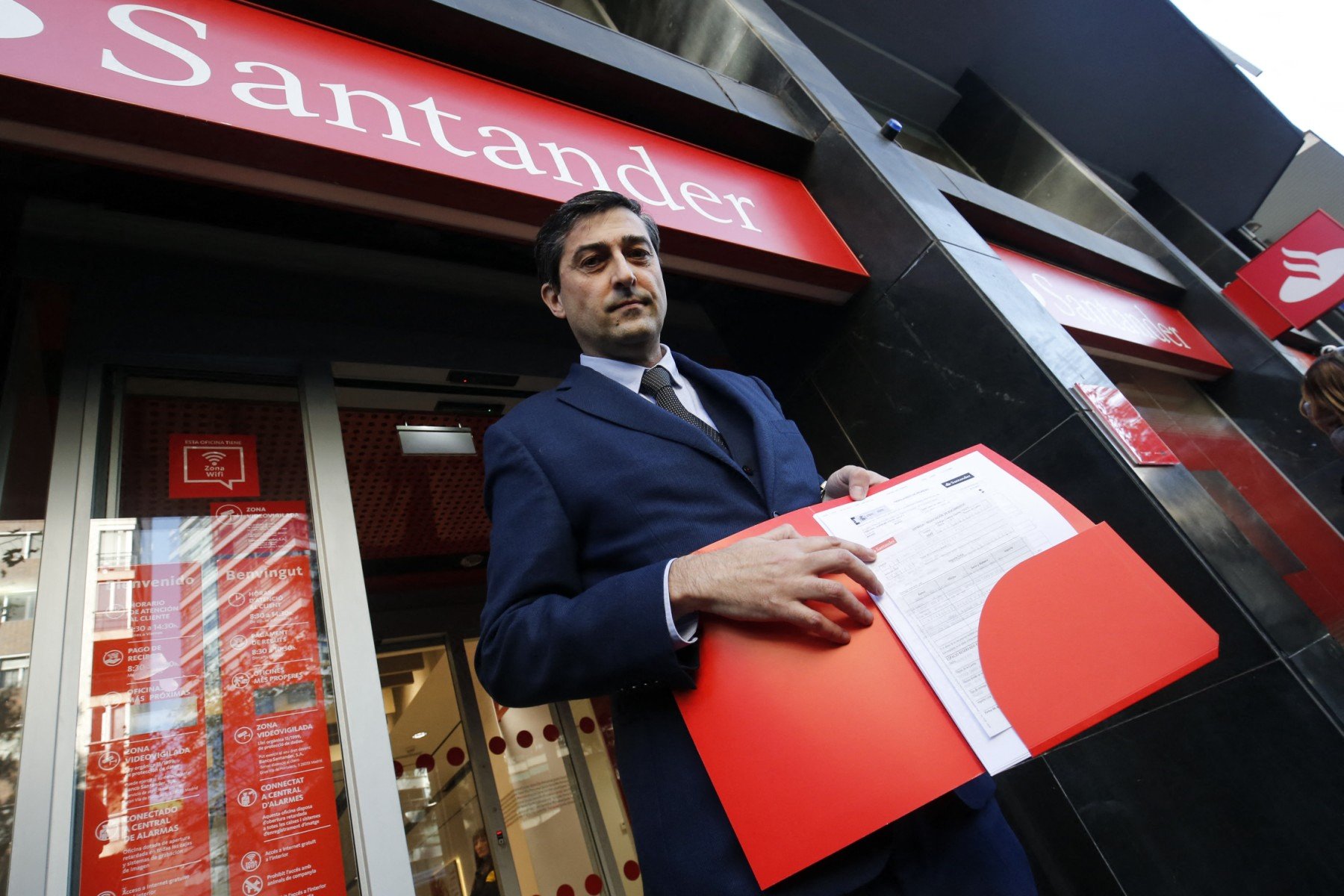
Getting a mortgage (or hipoteca in Spanish) can be daunting anywhere, let alone in a new country where you might not be fluent in the language.
You may wonder if you got the best deal, whether you should have gone for fixed rate (fija) or variable (variable) or if you should have said no to those extra add-ons.
The problem is that there are lots of small hidden costs when taking out a mortgage in Spain that you may not be aware of, so it’s good to do your research first and negotiate as much as possible.
READ ALSO: Which foreigners are most likely to have mortgages approved in Spain?
The extra charges
Comisiones are expenses that banks can charge customers for services or operations. When it comes to taking out a mortgage there can be several of these written into the contract. The biggest is the opening fee, which must be paid when signing the contract. Fortunately, nowadays not all banks charge this, but if they do it will be between 0.5 and 1 percent of the amount you borrow.
There are also extra fees for paying off your mortgage early, modifying the contract, changing banks or for transferring ownership to another person, for example. It is often not possible to repay your mortgage ahead of time, but for those who can with fixed-rate mortgages, there is a fee which will penalise the client if they decide to pay off the mortgage before the first five years (known as amortización anticipada).
READ ALSO: How to claim back mortgage expenses from Spanish banks
Advertisement
Associated products and insurance
This is the biggest expense that is usually hidden in the small print of mortgage contracts. Many times banks will offer more favourable conditions for mortgages if you contract several of their other products or services.
These may include insurance, pension plans or payroll direct debit. If you do not take these on, you will typically pay a higher rate. Sometimes they may also force you to take out home insurance with them, as well as your mortgage. It’s essential to add these into your calculations to find out whether taking these extras out is worth it or not.
READ ALSO: How to get a mortgage in Spain if you don’t have a job contract
Advertisement
Establishment fees
By law you are only obliged to pay the cost of the appraisal of the home and the cost of the copy of the notarial deed when contracting a mortgage in Spain.
The rest of the costs such as the agency fee, notary, registration and tax on documented legal acts must always be paid by the bank. The appraisal of the home must be carried out during the mortgage application process by an agency approved by the Bank of Spain. On average it costs around €300.
Advertisement
Interest and fees
Interest is of course a integral part of the price of a mortgage, but there may be some aspects to it that you’re not aware of.
Generally, the lower the interest is, the cheaper the monthly repayments will be. For example, if you need to borrow €150,000 over 25 years and you have an interest rate of 2.5 percent, excluding other expenses, you would pay €673 per month and return a total of €201,877 to the bank.
But with an interest rate of three percent, the monthly payments would be €711 and the total to be returned amount would be €213,395, which equals €11,518 more. The Bank of Spain recommend that you don’t dedicate more than 30 percent of your net income to paying the monthly payments.
It’s important to look through your contract clearly so that you know exactly what rate you’re paying, if it will change at all in the future or how it might change depending on Euribor rates etc.
Two of the most important Spanish acronyms you should be familiar with when choosing mortgages in Spain are TIN (Tipo de Interés Nominal) and TAE (Tasa Anual Equivalente).
TIN refers to the Nominal Interest Rate, a fixed percentage that is agreed upon as payment for borrowing money from the bank. In other words, the interest on your loan.
TAE is the equivalent of the annual percentage rate (APR) term used in English.
It’s a more accurate and clear way of knowing how much a person will pay in interest for their mortgage, as it includes all other expenses and commissions added, whilst the TIN doesn’t.
READ ALSO: The hidden costs of opening a Spanish bank account


