


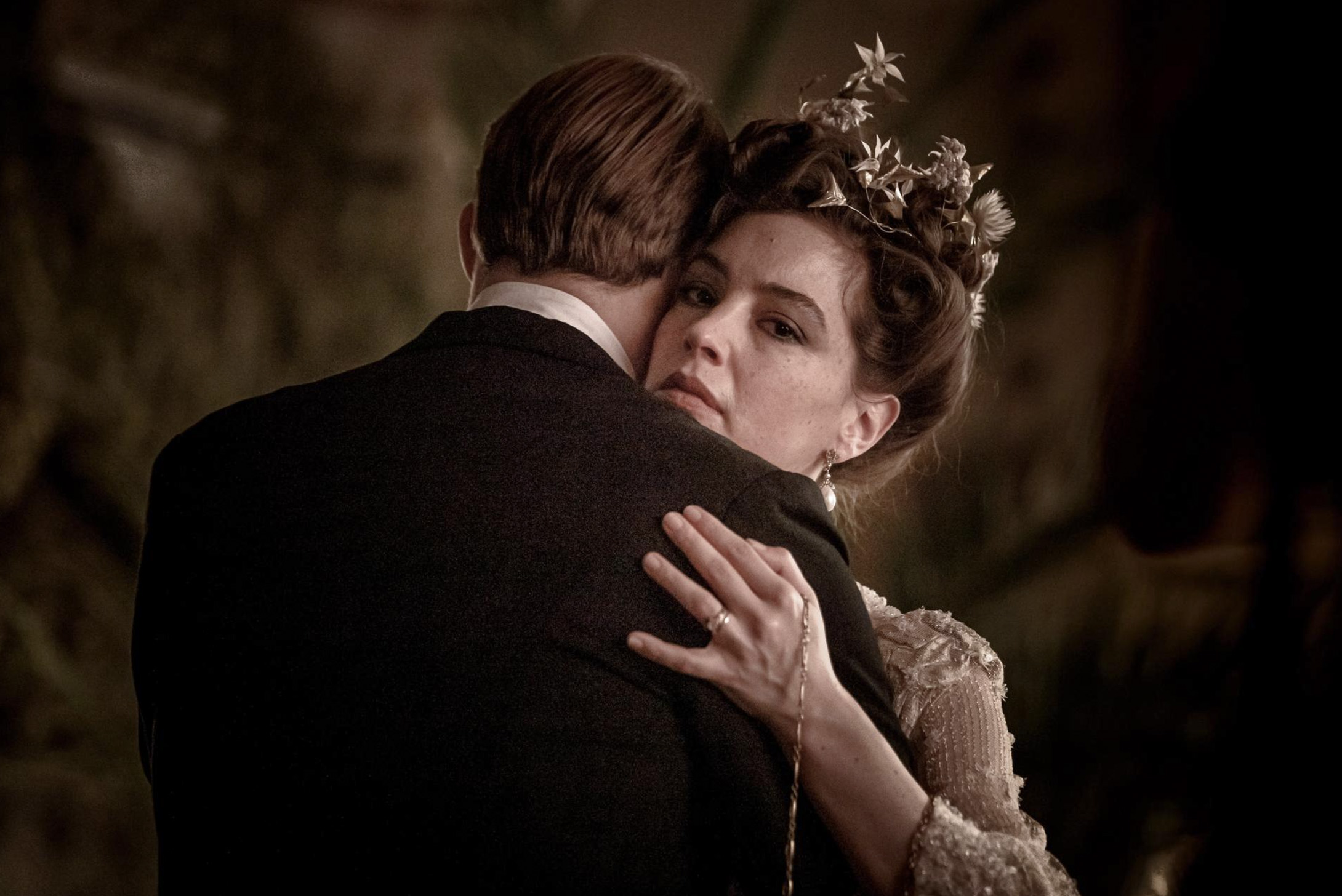
The first co-production by Swiss public television RTS and Netflix premieres this Christmas.
RTS
The Swiss art market, high-end though it may be, is not impervious to the anticipated policy ruptures out of Washington, DC. Meanwhile, the Venice Biennale is likely to regain its relevance, and new Swiss films promise luxury, eccentricities and Highsmith thrills.

At the most recent edition of Art Basel Miami, which took place in December, the mood being reported was one of “uncomfortable optimism” regarding the upcoming administration of US president-elect Donald Trump. Having been stuck for a long time at the losing end of the so-called “culture wars”, many art professionals are not in the mood to cheer. Trump Republicans have repeatedly called artists, along with academics and journalists, “the enemy”. How this rhetoric will translate into action is anyone’s guess, but a similar situation in our recent past may suggest one possible outcome.
During the administration of George W. Bush (2001-2008), a first wave of American “digital nomads” went into self-exile and flooded several European capitals. They did so while calling out the political atmosphere in the United States, the war in Iraq and the rise of radical, gun-toting conservatism. But they also came to enjoy much cheaper rents and healthcare costs than in New York or Los Angeles.

American expatriates in Geneva react to the results of the presidential election. Shall we expect more of them to come to Europe for good?
Keystone / Salvatore Di Nolfi
They took up residence mainly in Berlin and Prague, among other Eastern European cities. These American creative professionals began a trend – digital nomadism, or the flight of creatives from expensive countries to cheaper ones, thanks to the rise of remote work – that is now commonplace. Will another wave of Americans move to Europe, and if so, what will be the impact of this exodus?
While the political consequences of the next Trump years remain speculative, pundits are already modelling the economic impacts of the policies he’s announced so far on the art market.
Tariffs and tax cuts
Trump’s plan to impose higher tariffs even on traditional trade partners such as Canada, Mexico and the European bloc will have a direct effect on the price of artworks, their transportation, and insurance.
Higher tariffs will have a direct impact on galleries that have the bulk of their international sales in the American market, which is still the largest in the world, making up 43% of the total volume of sales. Counter-tariffs from abroad, especially Europe, may also limit the international competitivity of American galleries.

Art Basel Miami Beach, last December: “the mood is uncomfortably optimistic.”
EPA/CRISTOBAL HERRERA-ULASHKEVICH
Although China is the world’s second-biggest art market (with volumes similar to that of the United Kingdom), it is unlikely to absorb much business from an American fall-out, in part because Chinese collectors and museums tend to favour mainly Chinese art. Britain may see here an opportunity to boost its art hubs. So too will Switzerland, as both countries are not members of the European Union and are therefore well positioned for bilateral agreements.
At the same time global trade wars, and the economic instability they bring, usually have a negative effect on the arts market, as the wealthy shy away from investing in art and look for less risky alternatives.
Whatever the scenario, a clearer picture will certainly be drawn at the next Art Basel fair, to take place in Basel in June. The world’s biggest and most influential art fair is often a place to take the temperature of the market’s moods.
Camera, lights… cut.
One year ago, the outlook for the arts in Switzerland and the rest of Europe seemed quite bleak. The trends we highlighted then have since become reality.
The slashing of public funds for the arts and cinema, including public media services, went full throttle in 2024, notably in France and Germany. In Switzerland, the decision to cut almost half of the federal budget for international cooperation in the arts and movies, from CHF3.7 million ($4.1 million) to CHF2 million, provoked a general outcry from the sector.
Even though these sums seem like a pittance, the fund was vital to guaranteeing seed money for productions by up-and-coming artists and film-makers, both in Switzerland and in the developing world.
>> In the article below, we interviewed the former director of Locarno Filnm Festival, Marco Müller, who also developed the mechanism of international cultural cooperation adopted by the Swis government:
More
More
The man from Shanghai: Marco Müller keeps sowing the future of cinema
‘The Biennale might become relevant again’
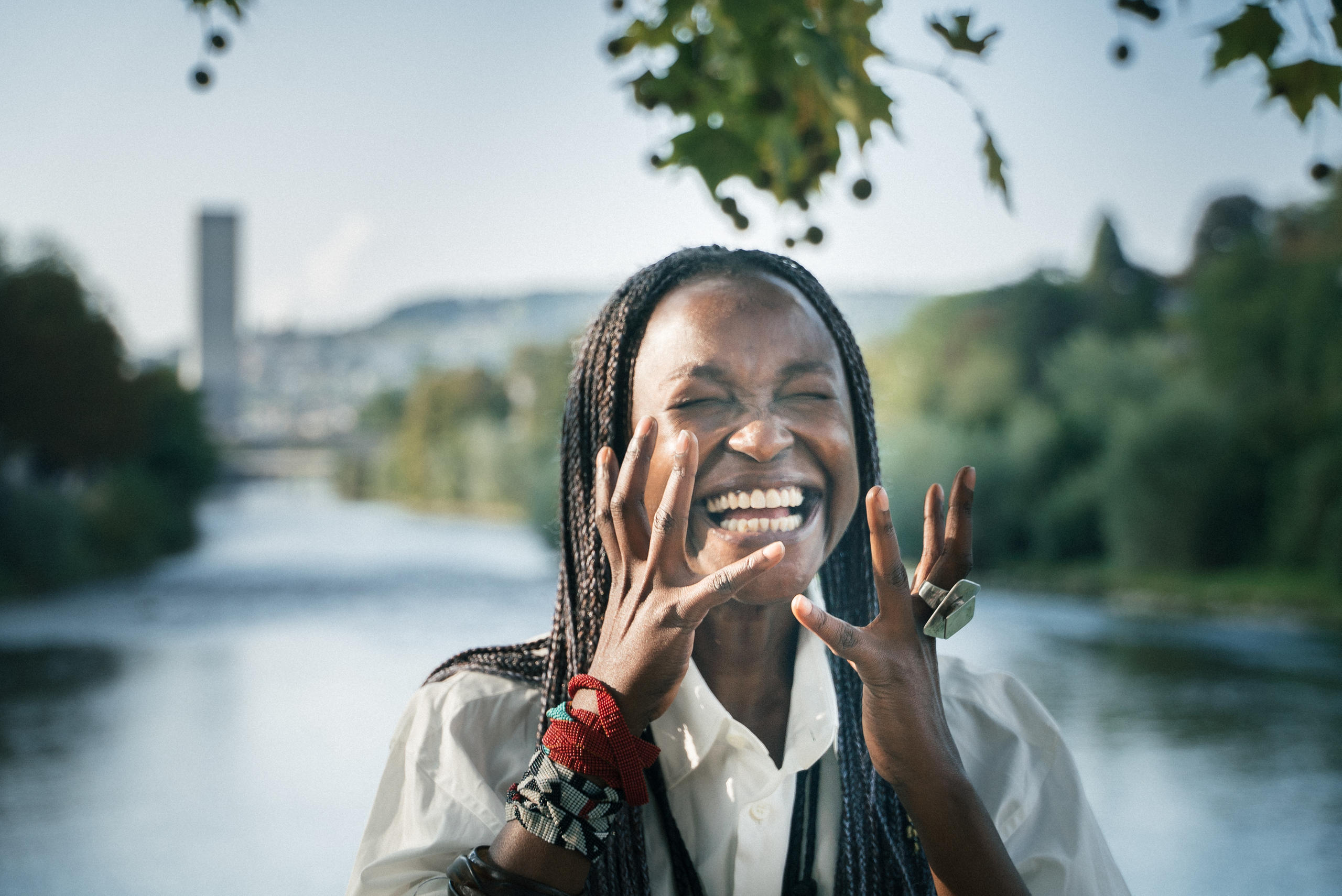
Against this unpromising backdrop for the arts and culture, the appointment of Swiss-Cameroonian curator Koyo Kouoh as artistic director of the next Venice Biennale, to be held in 2026, took the art world by surprise.
When Italian prime minister Giorgia Meloni chose the right-wing journalist Pietrangelo Buttafuoco as president of the Biennale, it was understood that the world’s biggest art event would suffer a considerable change of direction in favour of Italian curators and a more conservative line.
Kouoh represents everything that the current Italian government stands against. Besides being the first woman of colour to hold the position, Kouoh has had a career marked by a radical reappraisal of the role of museums and advancing the topics of postcolonialism, the African diaspora and identity politics.
The 2024 edition of the Biennale, which was headed by the Brazilian curator Adriano Pedrosa, was not exactly a critical success. The main exhibition merely reflected established notions of post-colonialism, queer, minorities, and indigenous issues. It also focused on established artists, all already well represented in the art market, without bringing any new, fresh perspectives. As a former German museum director told SWI, “with Koyo Kouoh, the Biennale might become relevant again”.
More
More
Koyo Kouoh: Art is in the cracks, not in the polish
Switzerland has had quite an outsized presence in the Biennale’s history. Kouoh, who was born in Cameroon but grew up in Zurich, is the fourth Swiss curator to head the show in the last 50 years, after Harald Szeemann (1980; 1999; 2001), Hans Ulrich Obrist (2003, as co-curator), and Bice Curiger (2011).
Coming to a streaming service near you
The first co-production by Swiss public television RTS and Netflix premieres this Christmas. Winter PalaceExternal link, a series of eight episodes, traces the beginnings of the luxury hotel industry in the 19th century, with its glamorous international clientele and local staff.
SWI swissinfo.ch will soon report on the business model between the global streaming platform and the public broadcaster, analysing the impact of the so-called Lex Netflix. This Swiss law, which came into force in January 2024, obliges streaming companies such as Netflix and Amazon Prime Video to re-invest 4% of their local revenues into Swiss film and TV productions.
An eccentric collector
In January, the biggest showcase of the Swiss film industry, the Solothurn Film Festival, anticipates the releases for 2025. Opening the festival is the documentary The Legacy of Bruno Stefanini by Thomas Haemmerli, a film that reconstructs the rags-to-riches biography of the controversial art collector and building contractor Bruno Stefanini.
With subtle humour, as is typical of Haemmerli’s work, the documentary sheds light on Stefanini’s collecting mania, which ranged from antiquities and contemporary art to the riding costume of Empress Sissi. But it also lingers on his serious commitment to making his treasures accessible to the public.
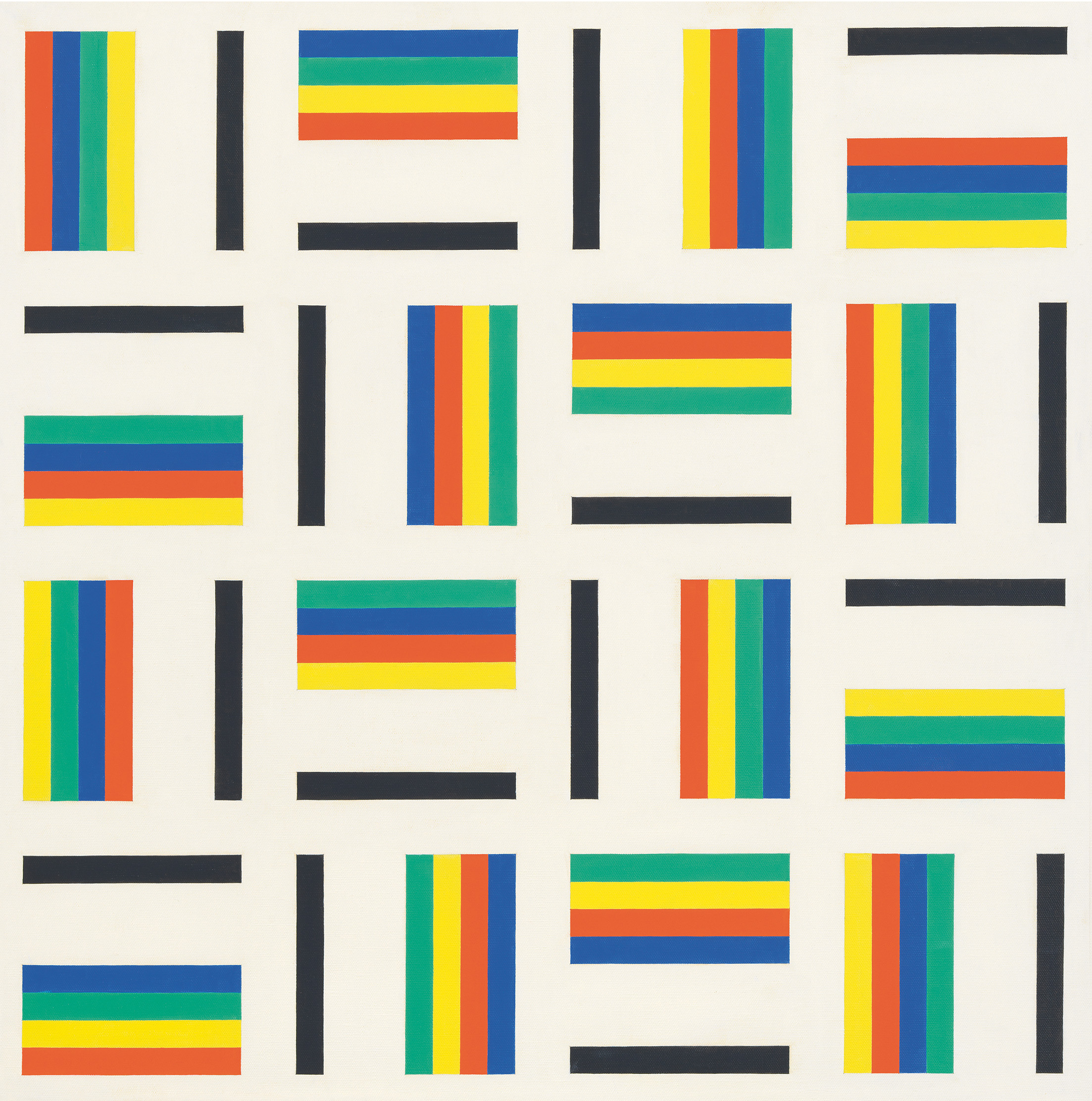
>> Thomas Haemmerli was recently interviewed by SWI on the occasion of the launch of the book Circle! Square! Progress! Zurich’s Concrete Avant-Garde, co-authored with art critic Brigitte Ulmer.
More
More
From Dada to Concrete Art: when Zurich was a modernist battleground
Patricia Highsmith in Switzerland
Great expectations are also on the cards with a new feature film by the Dutch director Anton Corbijn, Switzerland. The Swiss-British co-production is slated to be released in the second half of 2025.
Corbijn is famous for his music videos (Nirvana, Coldplay, U2, Depeche Mode) and biographical dramas that re-create significant moments in the lives of Joy Division’s lead singer Ian Curtis (Control) or American actor James Dean (Life).
More

More
The talented Ms Highsmith’s life in ‘club-like’ Switzerland
In Switzerland, Corbijn focusses his lens on the American writer Patricia Highsmith, of Ripley fame, who spent the last 15 years of her life in the Italian-speaking canton of Ticino. Faithful to the writer’s dark imagination, Corbijn presents the film as a fiction with biographical elements – and Helen Mirren plays Highsmith. Sounds like a thrill.
Edited by Mark Livingston/gw


