• Login
Wednesday, July 8, 2026
Geneva Times
  • Home
  • Editorial
  • Switzerland
  • Europe
  • International
  • UN
  • Business
  • Sports
  • More
    • Article
    • Tamil
No Result
View All Result
  • Home
  • Editorial
  • Switzerland
  • Europe
  • International
  • UN
  • Business
  • Sports
  • More
    • Article
    • Tamil
No Result
View All Result
Geneva Times
No Result
View All Result
  • Home
  • Editorial
  • Switzerland
  • Europe
  • International
  • UN
  • Business
  • Sports
  • More
Home Switzerland

Swiss study looks at why no two bodily movements are the same

GenevaTimes by GenevaTimes
July 8, 2026
in Switzerland
Reading Time: 8 mins read
0
Swiss study looks at why no two bodily movements are the same
0
SHARES
0
VIEWS
Share on FacebookShare on Twitter


Because of nerve cells, movements are never the same

We can tend towards stereotypical actions, but our nerve reactions tend to stay unique.


Keystone-SDA

Each time we reach for a coffee cup, the movement is different. According to the University of Fribourg, this variability is down to nerve cells, which the brain uses to correct every movement.


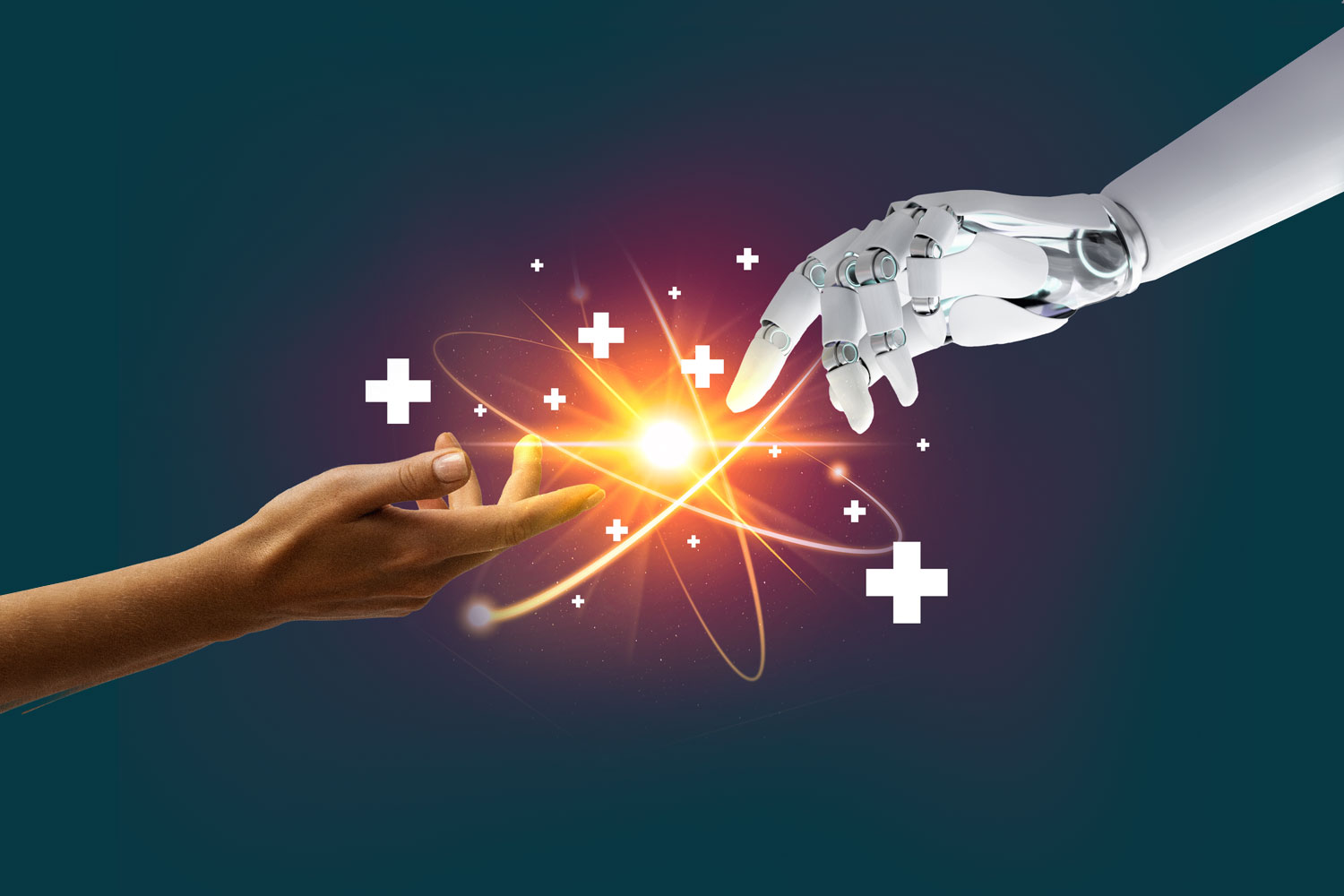
Generated with artificial intelligence.


This content was published on


July 8, 2026 – 12:10

The nerve cells act as the brain’s “optimal estimators” in that they combine real sensations with their own predictions, the University of Freiburg said on Wednesday. Fluctuations in movements are caused by proprioception, or the “sixth sense”, which provides information about the position of our body in space without us having to look.

Every movement is based on feedback from sensors in the muscles, tendons and joints, the statement continued. The proprioceptors then tell the brain about where the body is and how it is moving, according to the findings, which were published in the scientific journal Current Biology.

More
Swiss Connection

More

The Swiss Connection Podcast: Hear Swiss science stories for the world


Why is Switzerland so sweet on cryptocurrency? What’s it like to be a Swiss expat in America? Swiss women couldn’t vote until when?!


Read more: The Swiss Connection Podcast: Hear Swiss science stories for the world


Researchers studied mice that had been trained to reach for drops of water. To do this, they recorded the movements using high-speed cameras. Using two-photon microscopy, they identified individual proprioceptive neurons and were able to eliminate them at their cell bodies using a narrowly focused laser beam. The approach differs fundamentally from traditional methods, which involve disabling an entire region of the brain.

Afterwards, the mice were just as capable of reaching for the drops, but their movement patterns changed. “The sequences were more disordered and, at the same time, increasingly stereotypical in form – as if the movements were becoming more robotic,” lead author Mélanie Palacio-Manzano said in the press release.

According to the study, this shows that the brain relies less on sensory information from the body than on what it has already anticipated. When the nerve cells are inactive, the movements remain precise, but their sequence becomes increasingly stereotypical.

+ How we produce English news
Translated from German, reviewed by an English Department journalist.

Articles in this story

Read More

Previous Post

Uzbekistan, China advance trade and investment cooperation

Next Post

Phillies’ Zack Wheeler Says Being Left Off All-Star Game Roster Is ‘Kind Of BS’

Next Post
Phillies’ Zack Wheeler Says Being Left Off All-Star Game Roster Is ‘Kind Of BS’

Phillies' Zack Wheeler Says Being Left Off All-Star Game Roster Is 'Kind Of BS'

ADVERTISEMENT
Facebook Twitter Instagram Youtube LinkedIn

Explore the Geneva Times

  • About us
  • Contact us

Contact us:

editor@thegenevatimes.ch

Visit us

© 2023 -2024 Geneva Times| Desgined & Developed by Immanuel Kolwin

Welcome Back!

Login to your account below

Forgotten Password?

Retrieve your password

Please enter your username or email address to reset your password.

Log In
No Result
View All Result
  • Home
  • Editorial
  • Switzerland
  • Europe
  • International
  • UN
  • Business
  • Sports
  • More
    • Article
    • Tamil

© 2023 -2024 Geneva Times| Desgined & Developed by Immanuel Kolwin