• Login
Sunday, August 2, 2026
Geneva Times
  • Home
  • Editorial
  • Switzerland
  • Europe
  • International
  • UN
  • Business
  • Sports
  • More
    • Article
    • Tamil
No Result
View All Result
  • Home
  • Editorial
  • Switzerland
  • Europe
  • International
  • UN
  • Business
  • Sports
  • More
    • Article
    • Tamil
No Result
View All Result
Geneva Times
No Result
View All Result
  • Home
  • Editorial
  • Switzerland
  • Europe
  • International
  • UN
  • Business
  • Sports
  • More
Home Switzerland

Swiss study explains what drove cold spells in last 12,000 years

GenevaTimes by GenevaTimes
July 31, 2026
in Switzerland
Reading Time: 9 mins read
0
Swiss study explains what drove cold spells in last 12,000 years
0
SHARES
0
VIEWS
Share on FacebookShare on Twitter


What has driven the cold spells of the last 12,000 years

What has driven the cold spells of the last 12,000 years


Keystone-SDA

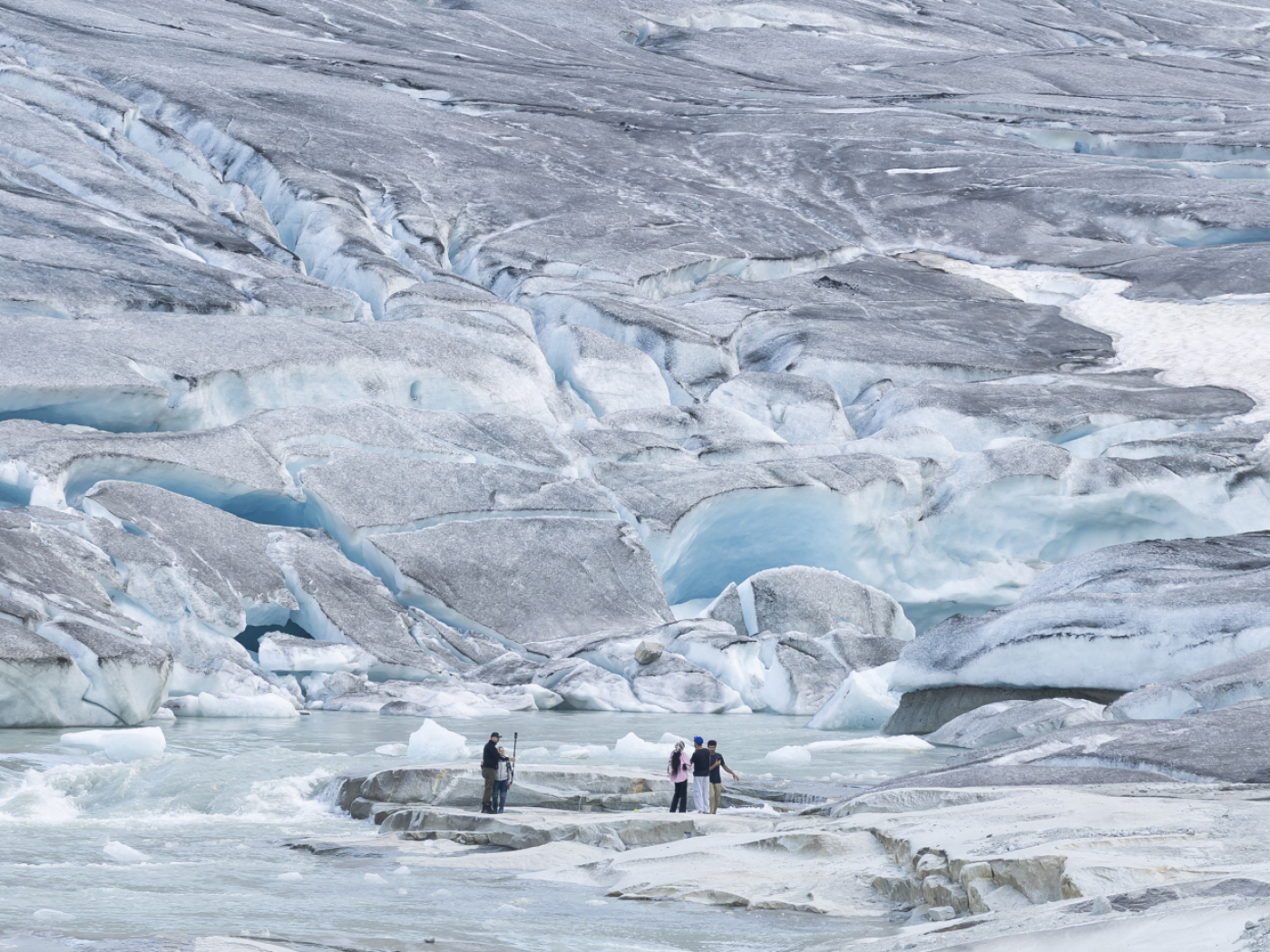
Mystery solved: An international research team has identified the likely cause of abrupt cold spells over the last 12,000 years.


Generated with artificial intelligence.


This content was published on


July 30, 2026 – 09:31

+Get the most important news from Switzerland in your inbox

According to the findings, volcanic eruptions triggered the centuries-long phases of glacier growth, as the Swiss National Science Foundation (SNSF) announced on Thursday.

For their analysis, the team led by Alice Paine from the University of Basel compiled information on 51 major volcanic eruptions during the Holocene, the current geological epoch, which began around 12,000 years ago with the end of the last glacial period, known as the Würm Glacial Period.

The researchers compared the timing of these eruptions with data on glacier extent, which they obtained from the analysis of moraines. They published their findings in the journal Nature Communications.

Energy balance out of equilibrium

The research team found more than 80% of the glacier expansions studied occurred during the same period as at least one volcanic eruption. According to the researchers, the eruptions threw the Earth’s energy balance out of equilibrium.

More

Weakened ocean currents could have promoted ice ages

More


Glaciers & permafrost

Weakening ocean currents could have intensified ice ages, Swiss study shows


This content was published on


Apr 24, 2026


A slowdown in North Atlantic ocean currents may have helped trigger longer, harsher ice ages around a million years ago, according to a University of Bern study.


Read more: Weakening ocean currents could have intensified ice ages, Swiss study shows


Sulphur particles ejected into the atmosphere reflected sunlight, which cooled the Earth’s surface. This triggered a chain of self-reinforcing effects, including the expansion of Arctic sea ice and changes in ocean currents.

“All these effects reinforce one another; it works on the snowball principle,” explained researcher Paine in the SNSF press release. This process ultimately led to the growth of the glaciers.

According to the study, it remains unclear whether such a volcanic-induced cooling phase could occur in the future. Paine pointed out that, due to human influence, the climate is in an unprecedented state, which makes forecasts difficult.

+ How we produce English news
Translated from German, reviewed by an English Department journalist. 

Articles in this story

Read More

Previous Post

Today in Spain: A roundup of the latest news on Friday

Next Post

Fermín López Shares Emotional Toll Of Missing Spain’s World Cup Run To Injury

Next Post
Fermín López Shares Emotional Toll Of Missing Spain’s World Cup Run To Injury

Fermín López Shares Emotional Toll Of Missing Spain's World Cup Run To Injury

ADVERTISEMENT
Facebook Twitter Instagram Youtube LinkedIn

Explore the Geneva Times

  • About us
  • Contact us

Contact us:

editor@thegenevatimes.ch

Visit us

© 2023 -2024 Geneva Times| Desgined & Developed by Immanuel Kolwin

Welcome Back!

Login to your account below

Forgotten Password?

Retrieve your password

Please enter your username or email address to reset your password.

Log In
No Result
View All Result
  • Home
  • Editorial
  • Switzerland
  • Europe
  • International
  • UN
  • Business
  • Sports
  • More
    • Article
    • Tamil

© 2023 -2024 Geneva Times| Desgined & Developed by Immanuel Kolwin