


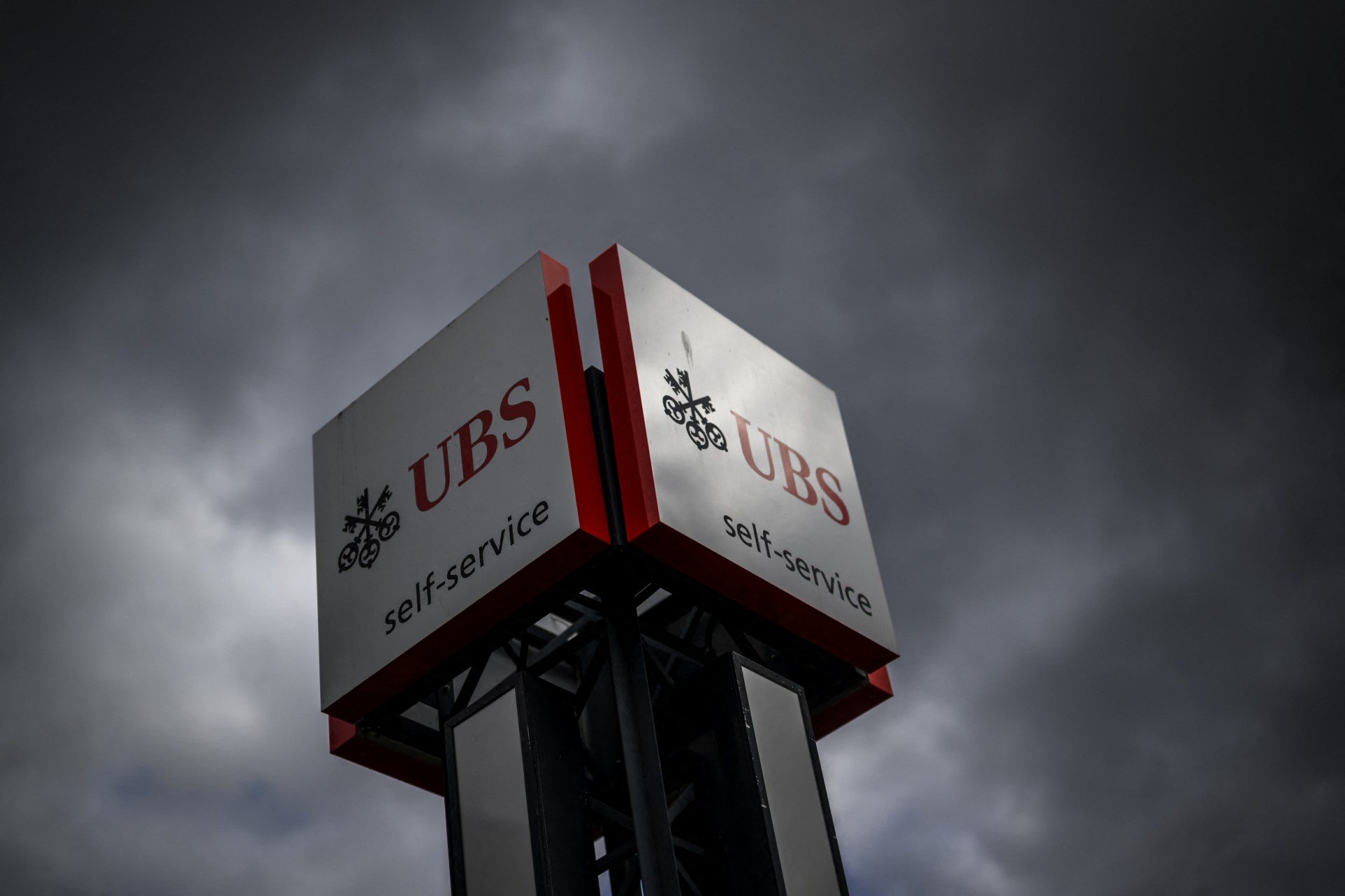
Swiss lawmakers have backed a report recommending tightening the rules on banking and reinforcing the supervisory authority, almost two years after Credit Suisse imploded.
Switzerland’s second-biggest bank was among 30 international banks deemed too big to fail due to their importance in the global banking architecture.
But the collapse of three US regional lenders in March 2023 left Credit Suisse looking like the weakest link in the chain and its share price plunged more than 30 percent on March 15 that year.
The Swiss government, the central bank and the Financial Market Supervisory Authority (FINMA) then strongarmed the country’s biggest bank UBS into a $3.25-billion takeover announced on March 19, before the markets reopened the following day.
The government feared Credit Suisse would have quickly defaulted and triggered a global banking crisis that would also have shredded Switzerland’s valuable reputation for sound banking.
A parliamentary committee conducted an extensive investigation into how the Swiss authorities handled the crisis.
Advertisement
Lawmakers on Tuesday adopted all the committee’s proposals, notably on bonuses, capital, and FINMA’s powers.
The green light will allow the government, known as the Federal Council, to continue tightening the banking regulations, with the size of UBS relative to the Swiss economy raising concerns.
“UBS XXL now represents one of the greatest risks to the prosperity and stability of our country,” said Socialist lawmaker Emmanuel Amoos.
Swiss President Karin Keller-Sutter, who is also the country’s finance minister, warned that even with revised regulations and meticulous lesson-learning, “there is no 100 percent guarantee”.
“Crises don’t follow scripts,” she said, and “we don’t know what the next crisis might look like”.
“The implementation of the package of measures proposed by the Federal Council is intended to significantly reduce the likelihood that another systemically important bank in Switzerland will experience a serious crisis and require emergency government measures.
“The risk — and this is important — for taxpayers and the economy should be minimised, to the best of our knowledge.”
noo/rjm/yad
© Agence France-Presse


