

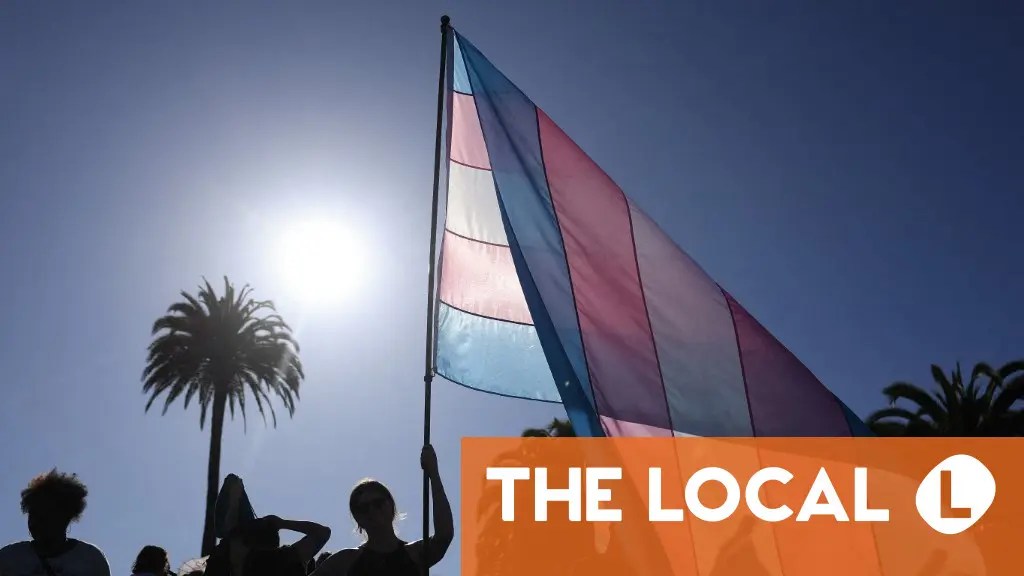

Spain’s Interior Ministry has approved a new police protocol which will allow transgender migrants in the country to change their name and gender on their official documents such as the TIE or the EU green residency certificate.
The new transgender protocol was published in Spain’s Police General Order, approved by a resolution signed by the Director General of the Police Francisco Pardo.
It means that from July 14th 2026, foreigners in Spain will be able to request a rectification of name and gender on documents issued by the National Police.
The measure resolves the issue that saw newly arrived trans migrants in Spain have their documents issued with the their ‘deadname’ if their gender transition was not recognised in their home country. The ‘deadname’ refers the name that they had before their transition.
The new measure, announced by Spanish Minister of the Interior Fernando Grande-Marlaska on June 23rd, is part of Law 4/2023, which addresses real and effective equality of trans people and guarantees of the rights of LGBTI people in Spain.
The State Federation of LGBTI+ People estimates that approximately 65,000 transgender people could benefit from this change.
Effectively, the measure means that trans migrants are now able to change their gender on several documents including: Foreigner Identity Cards (TIE), Certificates of Registration of Citizens of the European Union, the Registration Certificate of Undocumented Foreigners, the Travel Title of Undocumented Persons, the registration for international protection and statelessness proceedings, and the resident and non-resident certificates.
Trans migrants can now request a change if one of two scenarios took place.
The first is if it was impossible to do so in their own country. In this case, Spain’s Immigration and Borders Brigade will request a report from the Ministry of Foreign Affairs, European Union and Cooperation certifying the legal or practical impossibility of carrying out the correction. If the report confirms this to be true, the change will be made in the Central Register of Foreigners and the new document with new gender and name will be issued.
Secondly, transgender migrants will also be able to request a change in Spain if they have already made the change in their home country, but hadn’t yet in Spain.
In this case, they will only have to show their valid passport or travel document that proves the change, along with the document which needs to be updated.
Back in June, Spain’s Interior Minister acknowledged the limitations of the procedure when the trans migrant person could not carry out the change of name and sex in their country of origin and had pledged to promote the legislative change “as a matter of urgency”.
He said the new protocol resolves difficulties and facilitates processing, “both for the applicants and for the various administrative bodies involved”.
“This protocol restores dignity to a doubly vulnerable group: a document that reflects who you are is the key to a dignified daily life, from renting a home to obtaining a transport pass,” Senator and Madrid Member of Parliament Carla Antonelli told newspaper El País.
In 2024, Spain announced it would include a third gender option on foreigners’ residency documents such as TIE cards.
TIE cards already had a section on the front stating the “sexo/sex”, but these were changed include a third ‘X’ option for non-binary people rather than just ‘M’ or ‘F’.
At the time, ministry sources said it would be open to foreigners whose non-binary identity is recognised in their countries of origin.
In February 2023, Spain’s world-leading trans law was also approved by the government, allowing anyone 16 and over to change the gender on their ID card with a simple declaration.


