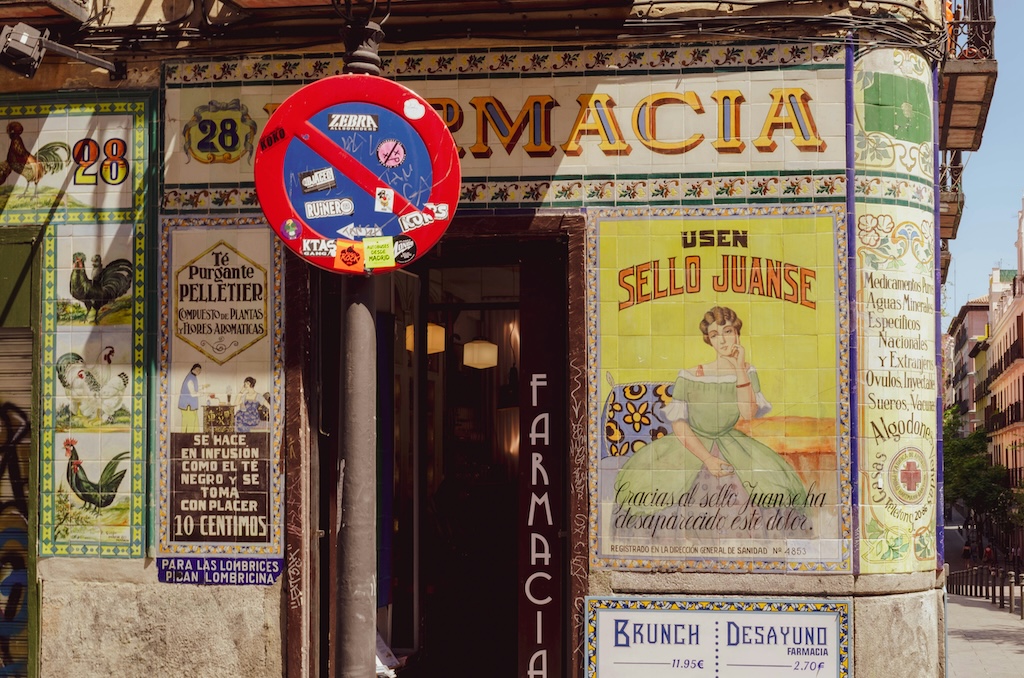
If you fall ill in Spain and need to get hold of medicine, you’ll need to visit a pharmacy. Here are some of the ways pharmacies in Spain differ from those in other countries.
If you’re planning on moving to Spain, are new here or are simply visiting, there will be many things to get your ahead around about your new country. If unfortunately you fall ill or you need help filing long-term prescriptions, you’ll need to visit a pharmacy, or farmacia in Spanish.
There are several ways that pharmacies in Spain may differ from the ones you’re used to back home though, from the way the operate to the items available. Here’s what you need to know.
There are no big chain pharmacies
While you’ll find several big stores selling cosmetics, shampoos and lotions such as Primor, Druni and Sephora, you won’t actually find any big chain pharmacies like Boots in the UK or Walgreens in the US, which sell wide ranges of vitamins, pain killers, cold and flu medicine etc. Even big chain supermarkets in Spain will not have pharmacy sections where you can buy these types of products. If you want any of these items, you’ll have to go to a specific individual pharmacy, not a big chain or supermarket.
READ ALSO: Spain makes it easier to get cross-border prescription meds
There are special 24-hour pharmacies
Like in most countries you’ll be able to find some pharmacies that are open any time of the day or night you need them. These are known as farmacias de guardia and offer services 24 hours a day. Even if they are not physically open, you will typically be able to ring a bell and someone will come and serve you through the hatch. Like most establishments, most pharmacies also close on Sundays, but these particular farmacias de guardia – typically one per neighbourhood – will stay open.
Advertisement
You can’t pick medicine up from the shelves yourself in Spain
If you’re sick somewhere like the UK or the US for example, you’ll probably head to your nearest Boots or Walgreens and simply pick up a packet of Advil, Nurofen or Lemsip and Beechams for cold and flu. You can spend time looking at the different products on offer, compare prices and ingredients, but in Spain, even in pharmacies, there are no medicines out on the shelves for you to pick up yourself.
Pharmacies only have products such as cosmetics, sunscreens and baby bottles out on the shelves, anything that’s considered a medicine, you’ll have to ask for. This can be slightly frustrating because you won’t know the price of anything until they get it for you, and you can’t really look at different options as you don’t know what’s available. It’s all down to what the pharmacist believes you need or if you know the brand you want.
But don’t worry, pharmacists here are used to being asked lots of questions, so you if you want to compare brands or ingredients in different medicines, they will definitely be able to help you. The main issue may be the language barrier, because you’ll have to communicate in Spanish rather than just look on the shelves. It’s worth noting though, that pharmacists in many big cities may have some level of English.
Reader question: Are there limits on bringing medicines into Spain?
Advertisement
Spanish pharmacists are highly-trained, and you can go to them for advice
The good news is that even if you can’t pick up items yourself, pharmacists in Spain can often be your first point of call when you need medical advice and can be used for minor issues instead of going to the doctor. They will also tell you whether or not they think you need to see a doctor. But unlike in the UK, pharmacists in Spain cannot issue prescriptions, so if you need a type of medicine which you need a doctor’s authorisation for, you’ll still have to make an appointment.
Spanish pharmacies can be more expensive for everyday items
Brands in Spanish pharmacies tend to be on the expensive side, particularly for things like supplements, cold meds and vitamins. You can’t just pick up a cheap Boots-own brand bottle of vitamin C, so you may be shocked at how much things cost in pharmacies here. Having said that, if you actually have a prescription for medicine from your doctor, this is highly subsidised by the government and can be very inexpensive. This means most prescription meds are definitely cheaper than countries with private healthcare systems like the US.
Some pharmacies in Spain look more like museums
There are many pharmacies in Spain that have been going for years, even over a century, and still look like old apothecary shops with the antique ceramic jars, old wooden cabinets and even vintage signage. They look almost like museums stuck in time, even though they’re modern working pharmacies. Today, these historic decorative elements are mostly for show, medicines come in sealed boxes and packets rather than directly from these jars and mini drawers.