


As it does each November, the Swiss government released the number of work permits it is setting aside for third-country nationals for 2027.
At its meeting on November 25th, the Federal Council decided to maintain the same number of quotas for 2027 as it had allocated in 2026 and several previous years.
This means that 8,500 permits in total are available for “qualified workers and specialists from third countries,” the government said.
The ‘third-country’ designation extends to nations that are not part of the EU or EFTA – Norway, Iceand, and Liechtenstein – with won Switzerland has the free movement of persons agreement.
Specifically, “a total of 4,500 type-B residence permits and 4,000 type-L short-stay permits will be available for this purpose. Quotas also remain unchanged for service providers from EU/EFTA countries who are to be employed for more than 120 days per year. Up to 3,500 permits may be issued, of which 3,000 are short-stay permits (type L) and 500 are residence permits (type B).”
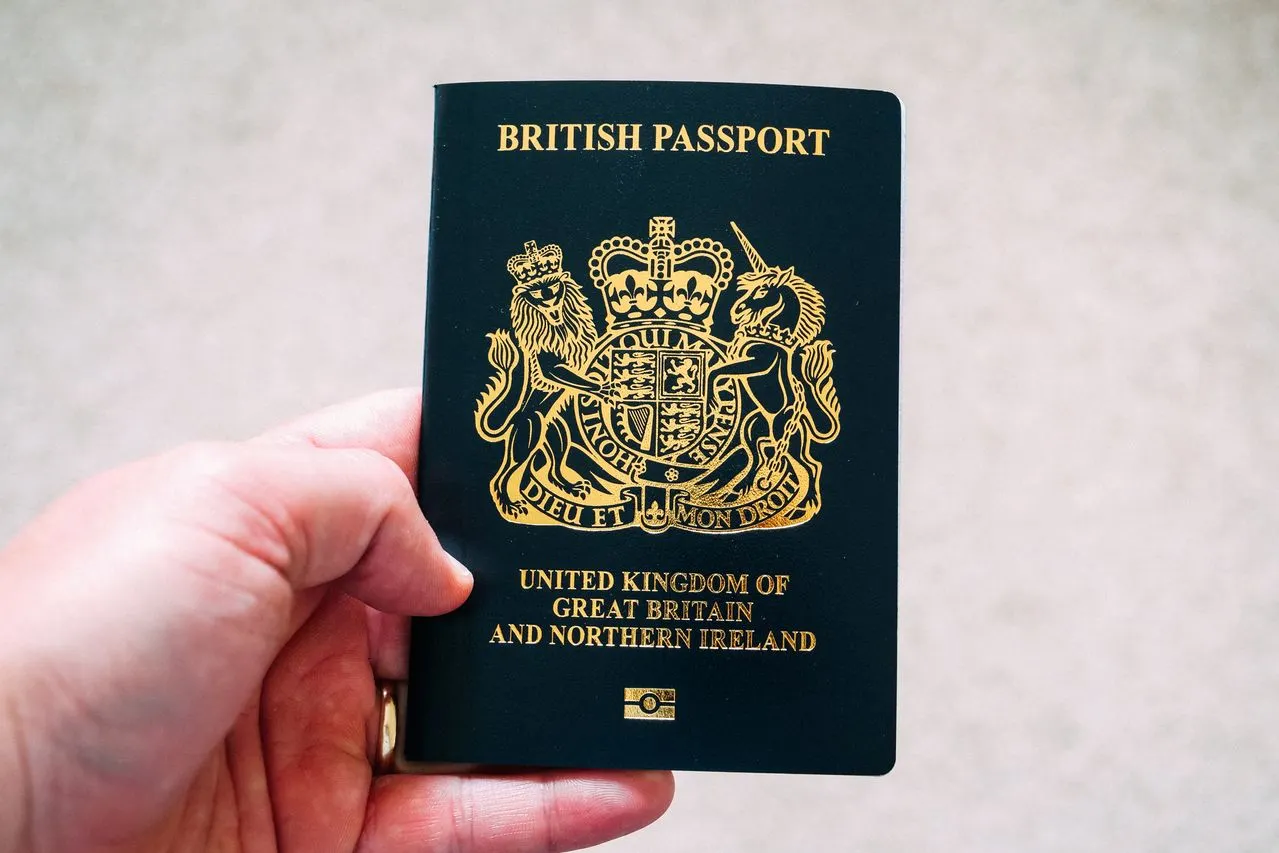
Additionally, the government has, as in years past, allocated 3,500 permits especially for UK nationals: for 2,100 residence permits (type B) and 1,400 short-stay permits (type L).
READ MORE: How UK citizens can obtain a Swiss work permit set aside for Brits
Don’t miss our journalists’ daily news roundup from Switzerland
How is the number of quotas determined each year?
Third-country quotas are set by each canton, depending on its economic needs.
The federal government then determines the total number of permits it will make available to each canton.
Clearly, the more ‘industrial’ cantons like Zurich, Geneva, Basel, and Vaud will need a bigger contingent of foreign workers than rural cantons.
However, “in recent years, the available quotas have not been fully utilised,” the Federal Council pointed out,
Concretely, as of December 31st, 2025, “companies had utilised 69 percent of the available L and B permits for third-country nationals. For the separate UK quotas (L and B), utilisation stood at 22 percent.”
Why is that?
According to Samuel Wyss, spokesperson for the State Secretariat for Migration (SEM), “the admission of third-country nationals depends on the needs of the economy and employers.”
Therefore, “the system for admitting third-country nationals to the Swiss labour market is demand-driven… The majority of Switzerland’s labour and skilled worker requirements are covered by domestic workers and those from EU/EFTA states.”
Additionally, a number of applicants don’t meet the eligibility criteria for the permit — ranging from the candidates’ professional qualifications to insufficient contribution they would make to Switzerland’s “overall economic interest.”
“If one or more of these requirements are not met, the permit will not be granted, even if there are still quotas available within the annual maximum numbers,” Wyss pointed out.
How can a third-country national obtain a work permit under the quota system?
Individuals cannot apply by themselves.
The process requires an employer interested in hiring a candidate from a non-EU/EFTA country to undertake all the steps to obtain a visa, and then a work permit, for the employee they want to recruit.
READ MORE: What do third-country nationals need to do to move to Switzerland?

