


Switzerland’s population continues to rise to a record level, despite a drop in immigration and a falling birthrate, new statistics reveal.
The comprehensive new data comes from the Population, Household and Vital Statistics study of the Federal Statistical Office (FSO).
These are the most important findings:
Population
On December 31st, 2024, there were exactly 9,048,900 people living permanently in Switzerland — 86,600 more than at the end of the previous year.
“This was mainly due to the inclusion of persons with S protection status from Ukraine in the permanent resident population one year after their arrival,” the FSO explained.
The population increased in all cantons, with the strongest growth recorded in Schaffhausen (+1.8 percent), as well as in Fribourg and Valais (+1.5 percent in both).
The smallest changes were observed in the cantons of Ticino and Appenzell Ausserrhoden (+0.3 percent) and Jura (+0.4 percent).
Immigration
Immigration declined significantly in 2024, after reaching a historically high level in 2023.
By the end of the year, 212,700 people came to Switzerland, a 50,300 (-19.1 percent) drop compared to the previous year. This number includes 22,600Swiss nationals who returned to Switzerland, as well as 190,100 foreigners.
Conversely, emigration increased slightly (+1,600, or +1.3%) compared to 2023.
As of December 31, 2024, the number of foreign nationals residing permanently in Switzerland stood at 2,478,700, or 27.4 percent of the population.
Despite lower number of immigrants, the foreign population already resident in the country is growing faster than the Swiss population (+2.5 percent versus +0.4 percent).
Birth rate
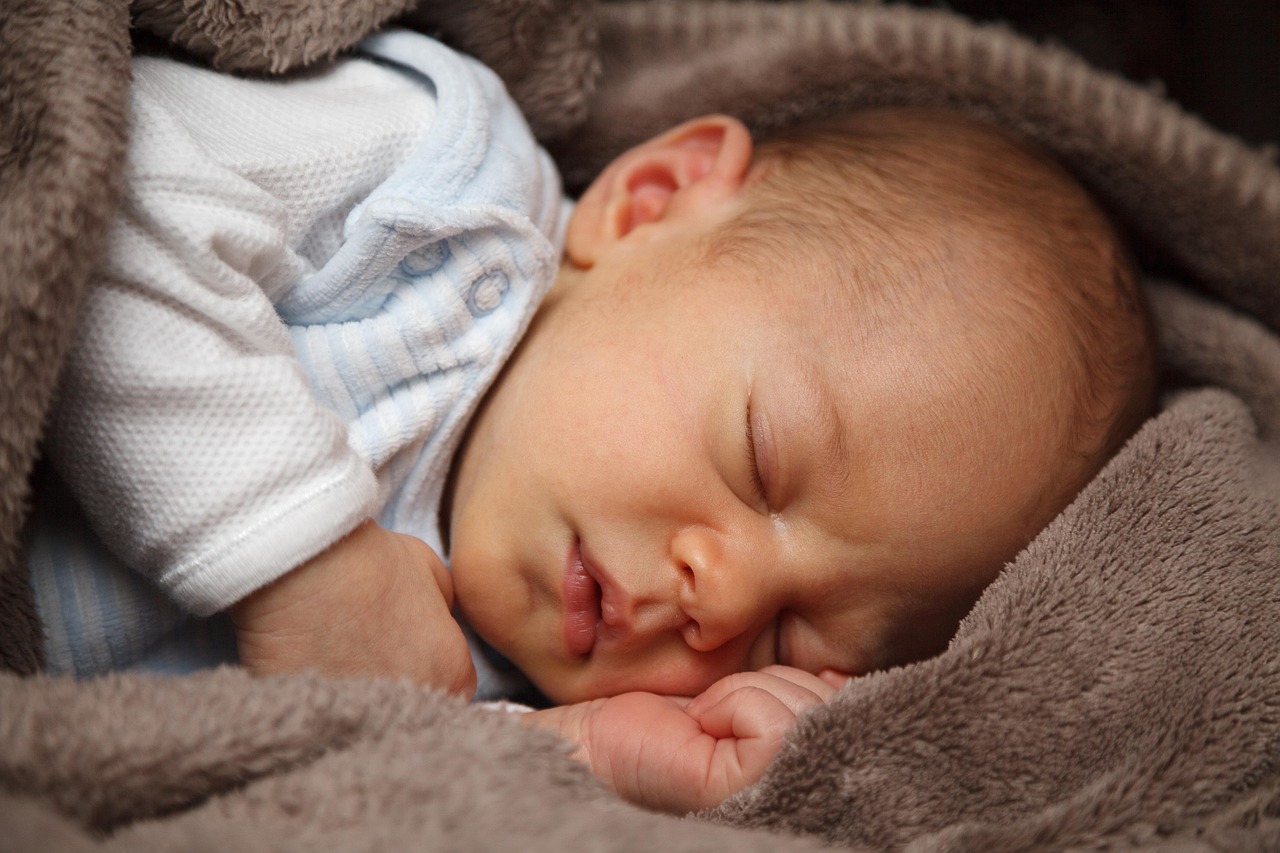
Some 78,000 babies were born in the country in 2024, 2,000 / 2.5 percent less than in 2023.
However, the decline is less pronounced compared to the previous year: between 2022 and 2023, there was a decrease of 2,300 births (-2.8 percent).
In 2024, the average number of children per woman was 1.8, compared to 1.33 in 2023 —the lowest number ever recorded in Switzerland, the FSO reported.
Advertisement
Deaths
In 2024, Switzerland recorded 71,800 deaths, which is in line with 2023 figures.
The number of deaths increased in 11 cantons, with the most marked hike in Appenzell Ausserrhoden (+6.4 percent), Zug (+5.3 percent), and Schwyz (+5.2 percent).
In contrast, the cantons of Nidwalden (-13.5 percent), Obwalden (-7.9 percent), and Schaffhausen (-4.8 percent) show the lowest death rate.
With the lower number of births versus a stable death rate, the difference between births and deaths stands at 6,200 people in 2024, the lowest level observed since 1918.
Lastly, 11 cantons recorded more deaths than births in 2024: Bern, Ticino, the two Basels Graubünden, Solothurn, Jura, Neuchâtel, Schaffhausen, Appenzell Ausserrhoden, and Glarus.
Advertisement
And that brings us to another subject…
Higher life expectancy
Already second-highest in the world previously, Swiss life expectancy at birth continued to increase in 2024, reaching 86 years for women (2023: 85.8 years) and 82.5 years for men (2023: 82.2 years).
A similar trend is observed for life expectancy at age 65, with an increase of 0.2 years for both women and men, reaching 23 and 20.5 years respectively.
In other words, healthy women living in Switzerland, who are currently 65, can reasonably expect to live at least until 83, while their (also healthy) male counterparts could live up to the age of 85.5.
READ ALSO: Why living in Switzerland means you’ll (probably) have a longer life


