

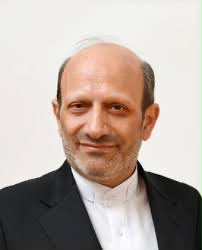
By H.E. Majid Nili, Ambassador of the Islamic Republic of Iran to the Federal Republic of Germany
The signing of the Memorandum of Understanding on 18 June 2026 marks a significant turning point after months of conflict and sustained diplomatic efforts. For Iran, Western Asia, and the wider international community, this agreement is not merely the end of a crisis; it is an affirmation that diplomacy remains the most effective path to peace. It demonstrates that even in times of profound tension, resilience, dialogue, and political courage can prevail over confrontation and lay the groundwork for lasting stability and cooperation.
The road to the recent Memorandum of Understanding has been painful. In June 2025, Iran was subjected to military attacks by Israel regime, followed by the United States, while diplomatic negotiations and peace efforts were still underway. Again, in February 2026, military operations were launched against Iran by the US and Israel sides.
From Iran’s perspective, these actions constituted serious violations of its national sovereignty and raised profound concerns regarding the principles of international law. Iranian civilians, including 168 schoolchildren in Minab, as well as members of the armed forces and public servants, lost their lives as a result of U.S. and Israeli cluster bombs.
Strategic infrastructure and civilian facilities were damaged, leaving lasting consequences for countless families. Among the tragic losses were members of the Iranian Navy who lost their lives during an international naval exercise, adding further grief to an already difficult period.
Many in Iran believe that attempts were made to Balkanizing Western Asia. Such actions can have consequences extending far beyond borders. Yet the anticipated collapse of the Iranian state never materialized. Instead, the Iranian people demonstrated unity, resilience, and an unwavering commitment to defending their homeland.
The greatest lesson of this conflict is that nations cannot be broken through pressure, intimidation, or violence. Military force may damage infrastructure and disrupt daily life, but it cannot erase a nation’s identity, dignity, or determination. Lasting peace can only be achieved through dialogue, mutual respect, and genuine diplomacy.
What made this period particularly troubling was not only the military escalation itself, but also the rhetoric that accompanied it. During the conflict, the President of the US made a number of statements that, from Iran’s perspective, appeared to overlook the humanitarian consequences of war and the significance of one of the world’s oldest civilizations.
Among them were warnings that “a whole civilization will die tonight, never to be brought back again,” as well as threats that Iran’s bridges, power plants, and other critical infrastructure would be destroyed. In another statement, he suggested that an entire country could be eliminated “in one night” if it failed to comply with external demands.
Such language raises profound concerns about the protection of civilian life, cultural heritage, and the principles of restraint that underpin international law. Political disagreements between states are inevitable, but the destruction of a nation’s infrastructure, identity, and civilization should never be viewed as an acceptable instrument of policy.
At a time when these principles appeared under strain, many voices remained silent. The selective application of international norms risks undermining the credibility of the institutions established to safeguard peace, security, and justice.
While physical destruction can eventually be repaired, damage to international norms and humanitarian principles is far more difficult to restore. In my view, the greatest casualties of this war were not any particular nation, but rather international law, multilateral diplomacy, and the human being values that should protect all peoples equally.
Throughout the conflict, Iran exercised what it regarded as its right to self-defense within a conventional military framework. Despite significant pressure from two nuclear-armed parties. Iran maintained its longstanding position against nuclear weapons while continuing to support peaceful solutions through dialogue and negotiations. The Iranian people stood united in defense of their homeland, solidarity, and determination in the face of adversity.
The MoU reached recently, following several rounds of negotiations facilitated by Pakistan, represents a significant achievement. It offers an important opportunity to reduce tensions, strengthen regional stability, and open a new chapter of cooperation
The benefits are clear:
- For the Western Asia, it offers renewed hope for stability, and the reduction of regional conflicts, including in Lebanon.
- For Europe, it contributes to safer maritime navigation, and economic recovery.
- For the United States, it provides a pathway to conclude a costly war.
- For Iran, it demonstrates the country’s resilience, capabilities, and commitment to defending its sovereignty while remaining open to constructive engagement.
Today, Iran seeks neither confrontation nor revenge. Rather, it seeks recognition of its legitimate rights, respect for its sovereignty, and support for a durable peace.
Europe now has an important opportunity to contribute to the success of this MoU. Supporting its implementation, encouraging dialogue, and preventing further disruptions will be essential to ensuring that peace prevails over conflict.
Europe should also play a constructive role in ensuring that no party, including Israel as the regime of the deal breaker takes actions that could undermine the MoU, disrupt the diplomatic process, or jeopardize the prospects for lasting peace and regional stability.
As Ambassador of the Islamic Republic of Iran to Germany, I remain optimistic that this agreement can mark the beginning of a more stable and cooperative future.
May this agreement mark not only the end of a period of conflict, but also the beginning of a new era of dialogue, mutual respect, and constructive cooperation, in which peace prevails over confrontation and common interests triumph over division.
Finally, Peace agreements do not succeed because they are signed. They succeed because nations choose, day after day, to uphold them. The responsibility of tomorrow begins today.


