


Spain’s electricity network suffered major voltage fluctuations in the past two weeks, the competition watchdog revealed on Wednesday, raising the spectre of a repeat of April’s huge blackout.
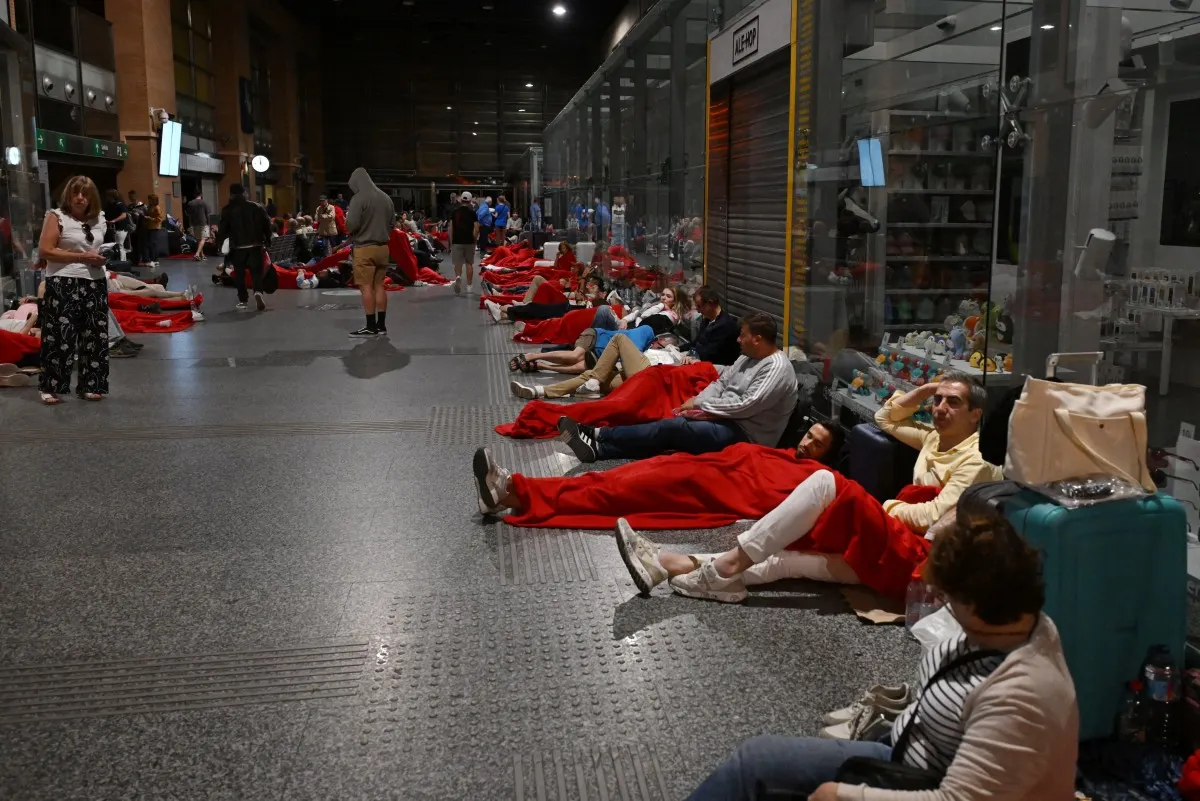
The April 28th outage, described as Europe’s severest in 20 years, halted transport, cut internet and telephone communications and plunged cities into darkness across mainland Spain and Portugal.
A report by a European expert panel last week concluded that “cascading overvoltages” caused the blackout, with the findings in line with a Spanish government report in June that also blamed overvoltage.
Overvoltage occurs when there is too much electrical voltage in a network, overloading equipment. It can be caused by surges due to oversupply or lightning strikes, or when protective equipment is insufficient or fails.
Advertisement
The Spanish investigation also found that major fluctuations in the power grid were recorded in the moments leading up to the blackout, leading to a chain reaction of shutdowns.
The CNMC competition watchdog said in a document made public on Wednesday that grid operator REE had informed it of “sudden voltage variations” recorded in the past two weeks.
“Although the voltages always remained within the established margins, they can potentially trigger disconnections of demand and/or generation that end up destabilising the electrical system,” the CNMC said of REE’s information.
The April blackout raised doubts about Spain’s high dependence on renewables and planned phaseout of nuclear energy, but the leftist government and some experts have rejected claims they exposed the power grid to a blackout.
REE connected the recent fluctuations with “sudden changes in programming, in particular of renewable generation, as well as the response time of generation supplying dynamic voltage control”, the CNMC said.
Renewable energies “do not regulate voltage continuously” and their presence “increases the probability that increasingly large variations in their production happen”.
REE warned such fluctuations “can have an impact in the security of the supply” if urgent changes it had proposed were not implemented.
These included modifications to technical restrictions to better manage power imbalances in real time and minimise sudden spikes in voltage.
The CNMC said in a statement it would submit the operational changes proposed by REE to a consultation until October 15th to assess their impact, adding that they would be temporary.


