


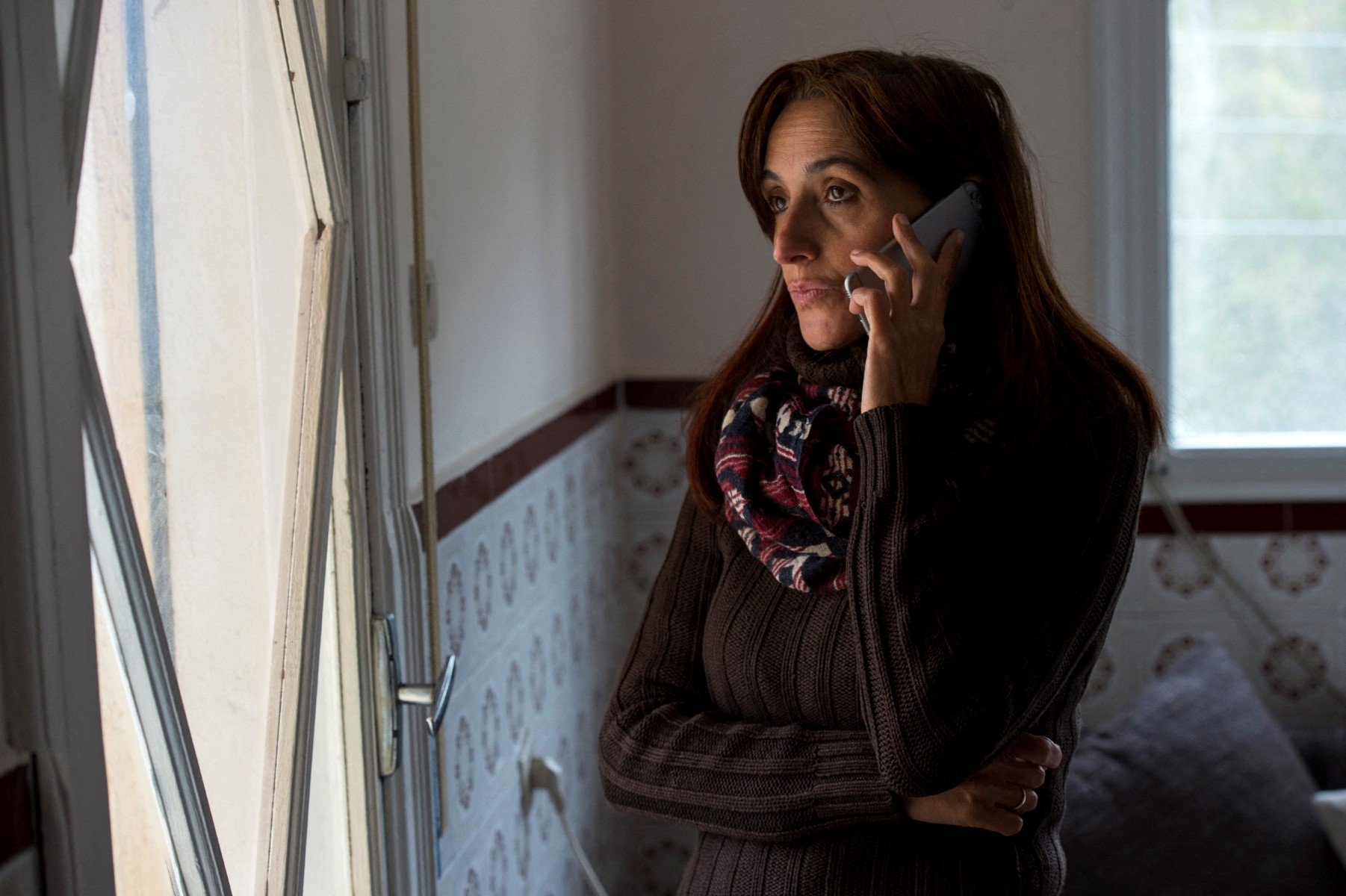
There are several different ways you can choose to answer the phone in Spanish, although some are far more common in Spain than in Latin America.
If you’re just learning Spanish and have recently moved here, answering the phone can be quite daunting, especially because many people find it a lot more difficult to understand over the phone than when they’re speaking to someone face to face.
It’s also true that you’ll most likely have to use the phone a lot in Spain, as many companies are still not good at responding to emails and lots of official matters are still conducted over the phone.
One way of becoming more confident in speaking on the phone in Spain is to begin by learning how to answer the phone correctly like a native speaker.
There are several different ways you can choose to answer, here are some of the most common:
¿Diga? – This phrase literally translates as “tell” and indicates that you’re listening and ready for the person to state the reason for their call and you want them to speak. It’s used mostly during more formal phone conversations or if you don’t know who is calling you, as (usted) diga is a more formal imperative form than di.
Dígame – Similar to above dígame translates as “tell me” and is used in the same situations above as ¿Diga?.
¿Sí, diga? – Yes, tell me. You can also add the word sí or yes in front of the two above to show that you’re ready to listen.
¿Sí, diga? ¿Quién es? – This translates as “Yes, tell me, Who is it?” In this situation, you’re not waiting for the person to state who they are, you’re asking them straight away.
¿Sí? – This literally means yes, but is formed as a question waiting to see what the other person on the end of the line will say.
¿Hola? – Hello? In English, you’re probably used to answering the phone by saying hello, and this is perfectly acceptable in Spanish too, it’s phrased more as a question to show that you’re waiting for an answer.
Advertisement
Be aware if you plan on saying any of the phrases above with the word sí. Recently, Spanish police have warned people against using this word on the phone in case they fall victim to a scam.
READ ALSO: Why you shouldn’t answer the phone with ‘sí’ in Spain anymore
Scam calls are unfortunately commonplace in Spain. Basically, the cyber criminals are trying to steal your data and your identity and they do this in part by recording your voice.
“They could record your voice to authorise transactions, contracts or fake your identity,” warns the Civil Guard. Saying ‘yes’ can become “a gateway to a series of problems.”
The Internet User Safety Office advises answering calls with a ¿Diga? instead.
There are a couple of ways of answering the phone that is common in Latin America, but not in Spain. These include ¿Aló? – an informal way of saying hello or bueno meaning good or well. This is typically used in Mexico.


