


Basel will be in the international spotlight for a week of festivities surrounding the Eurovision Song Contest but the Swiss city has been at the heart of European culture for centuries.
With a population of 180,000, Switzerland’s third-biggest city after Zurich and Geneva straddles the River Rhine and sits right on the northern border with both France and Germany.
Basel’s location played a major role in its growth and continental importance through the ages.
From May 11th to 17th, it will be centre-stage in Europe again as it hosts Eurovision 2025, the pop music extravaganza that has become one of the world’s biggest annual live television events and a giant international party.
The influence of the Rhine can be felt in Basel’s historic centre, dominated by the twin towers of Basel Minster, where the Dutch thinker Erasmus is buried.
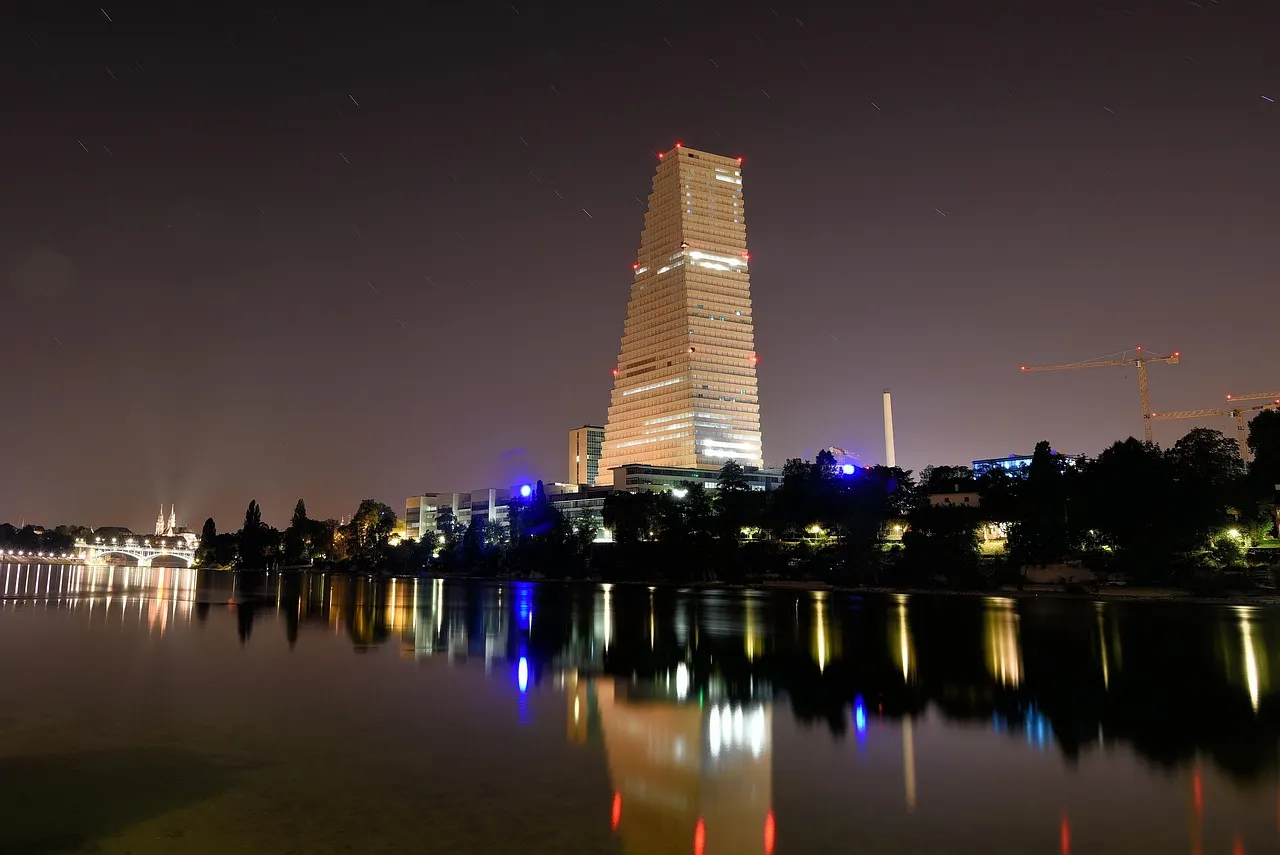
But Basel’s modern emblems are the two Roche Towers, Switzerland’s tallest buildings.
Completed in the last decade, standing 205 metres and 178 metres (673 and 584 feet) high, they are the headquarters of the eponymous giant pharmaceutical firm.
The chemical and pharmaceutical industries now drive the city’s economy.
Carnival and the arts
Basel is one of Europe’s great centres of culture.
The first edition of Sebastian Brant’s “Ship of Fools”, one of the bestsellers of the European Renaissance, was printed in the city.
The Rhine spirit is vividly expressed every spring at the three-day Basel Carnival, which transforms the city streets into a river of painted lanterns, colourful masks and creative costumes, flowing to the sound of pipes and drums.The world’s biggest Protestant carnival features on UNESCO’s intangible cultural heritage list and attracts thousands of tourists.
The city has world-renowned museums — none more so than the Kunstmuseum, the oldest public art collection in the world dating back to 1661.
In a referendum in 1967, citizens decided to buy two paintings by Pablo Picasso, who, moved by the vote, would later donate several more works to the city.
Across the Rhine, the Museum Tinguely draws in thousands of visitors with its kinetic art sculptures, while just outside the city, the Beyeler Foundation hosts an outstanding collection of modern and contemporary artworks.
And every year, art lovers and gallery owners from around the world flock to Art Basel, one of the world’s top contemporary art fairs.
In sports, Basel is home to tennis all-time great Roger Federer, while FC Basel are on the verge of winning their 21st Swiss football championship.
Advertisement
Chemicals and quakes
Besides its culture, Basel is now synonymous with the chemical and pharmaceutical industries, home to globally important groups such as Roche, Novartis, Sandoz and Syngenta.
The psychedelic drug LSD was created at the Sandoz laboratories there in 1938.
Pharma and chemicals make Basel a major player in the Swiss economy, attracting researchers and students as well as cross-border workers.
Around 35,000 people cross over from France and Germany, attracted by higher Swiss wages.
Advertisement
Basel is the home of the Bank for International Settlements, considered the central bank of central banks.
The city is left-leaning, perhaps due to the influence of its university, the oldest in Switzerland, founded in 1460.
It has approximately 13,000 students from 100 countries, around a quarter of whom are studying for their doctorates.
The city has also lived through major disasters: the great earthquake of 1356 and the Sandoz chemical spill 630 years later.
The biggest quake in central Europe in recorded history, and the fires it caused, destroyed a city already ravaged by the Black Death.
The 1986 fire at the Sandoz chemical plant on the outskirts of Basel also left its mark due to the ecological disaster caused by toxic chemicals leaking into the Rhine, killing wildlife as far downstream as the Netherlands.


