

When the blaring sirens of ambulances and police cars reverberated through a cold January evening in Manuel Muñoz’s Spanish village, he knew something had gone seriously wrong — and raced to help.
Normally quiet Adamuz, bathed in sunshine and surrounded by the Andalusia region’s quintessential olive grove landscape, found itself at the centre of global headlines after Sunday’s nearby high-speed train collision killed 39 passengers and injured more than 120.
The fatal hit occurred just before 8 pm (1900 GMT), and 60-year-old Munoz was one of several residents who assisted as the emergency services rushed victims from the disaster site to the southern village, helping to unload vans bringing aid.
“The first thing we did was go to the (municipal) centre, we started to bring water, blankets, whatever we could,” he told AFP in Adamuz.
READ ALSO: Nine unwritten rules that explain how Spain works
“We came when the first injured arrived. We left because we were hampering the work of the professionals,” added the olive oil factory worker, saying the village was “very shocked”.
Advertisement
The picturesque village morphed into a hive of activity as dozens of journalists swarmed around the village for information and to listen to visiting Prime Minister Pedro Sánchez in the municipal hall, where piles of donated blankets lay stacked from the previous night.
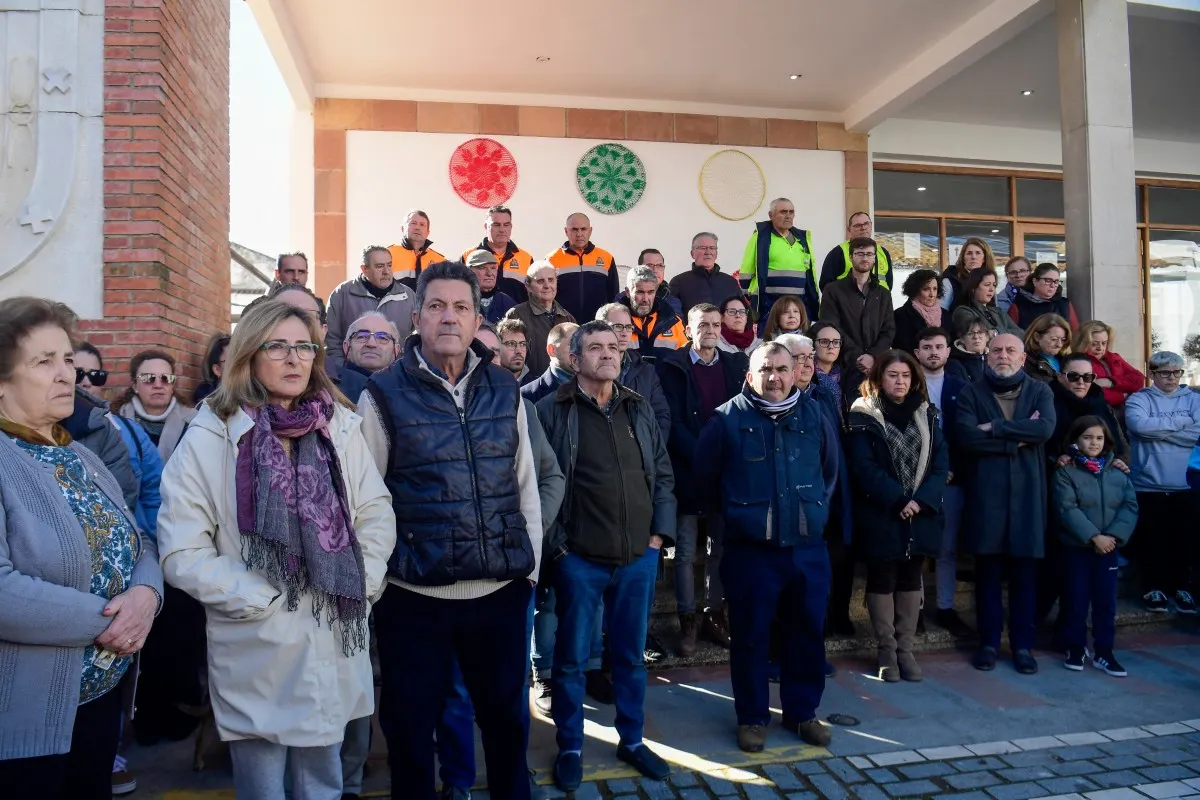
Mariana Costa, 65, said Adamuz “is a village of solidarity”, commending her neighbours who offered clothes, blankets, water and hot food to the survivors of one of 21st-century Europe’s deadliest train disasters.
One supermarket reopened in the evening to distribute bread, sandwiches and drinks, the housewife told AFP, saying “the residents responded marvellously” to the traumatic event.
“Today, the whole village is feeling low, because the scale of the accident is very big,” she said. “I love living here, it’s a quiet village, we live well… this cannot be real.”
Q&A: What we know about the cause of Spain’s deadly train collision
‘Feeling awful’
Adamuz mayor Rafael Angel Moreno paid tribute to residents who “dedicated themselves from minute one”, donating food, tools and vehicles to the cause.
“All that we had to hand was at the disposal of this fatal accident,” he told a press conference alongside Sanchez and regional leader Juan Manuel Moreno.
Adamuz “displayed something very typical of Andalusia, which is solidarity, which in the end defines the tenderness of a people like ours”, the regional leader added.
But the praise was scant consolation for locals, who were still struggling to come to terms with the catastrophe.
Sonia, a 49-year-old cleaning professional who declined to give her surname, said “we’ve all been feeling awful, we feel very weird.”
“That they know the village because this has happened… if only it was because we had won the lottery, or for something joyful, but this… we can’t believe it,” she told AFP.


