


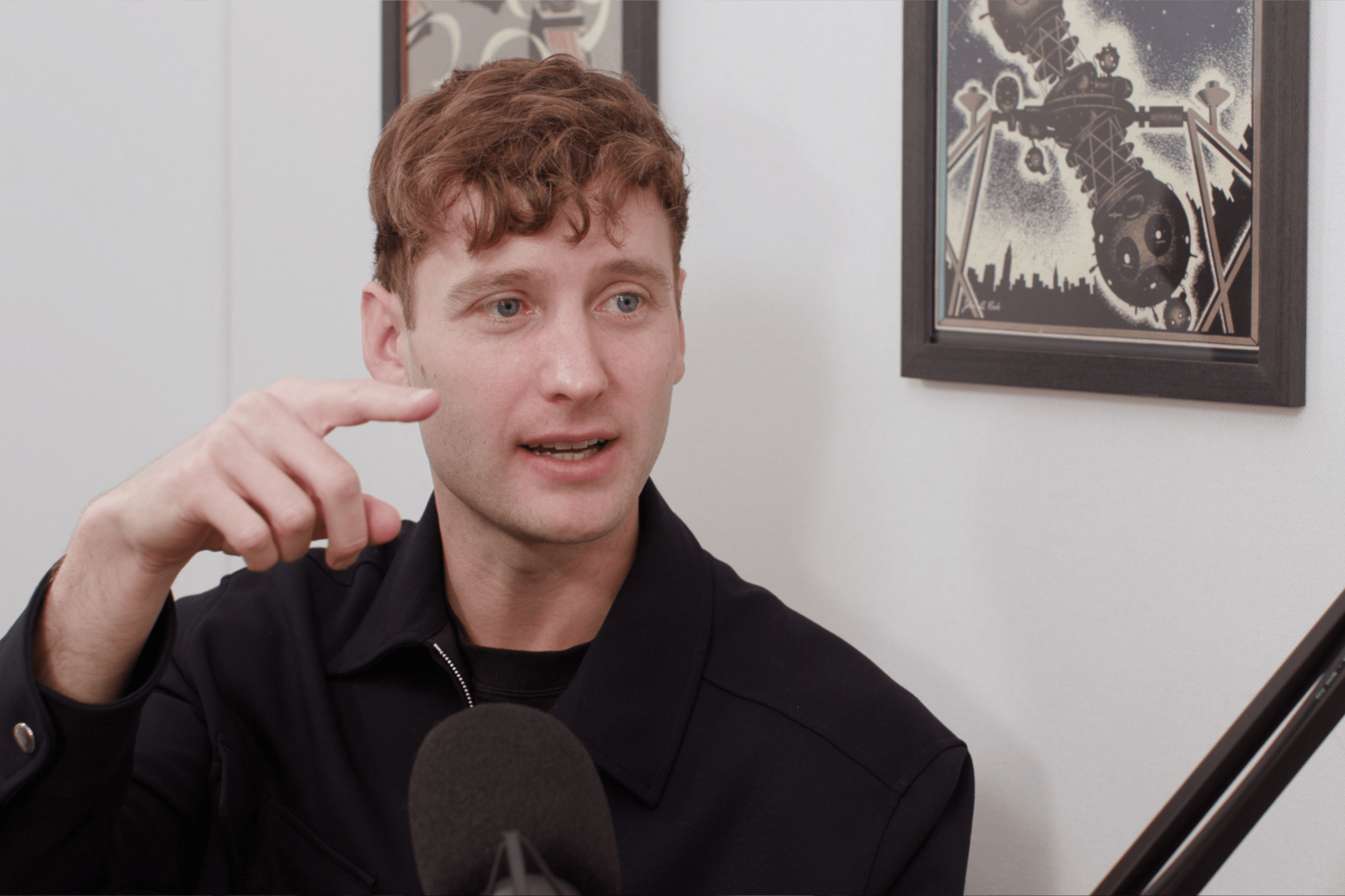
How do you build an $11 billion startup? For Winston Weinberg, CEO and co-founder of AI legal startup Harvey, it’s all about failure.
“I think it’s really hard to figure this out without failing. You just have to fail a million times,” Weinberg said on a recent episode of Fortune’s Term Sheet podcast.
The 30-year-old founder is a lawyer by training. But that all changed in 2022 when he left his job at a securities and antitrust law firm to start Harvey, a startup that builds AI tools for lawyers. Since then, he andGabriel Pereyra, a former Meta and Google DeepMind AI research scientist, have earned the backing of the OpenAI Startup Fund, Sequoia Capital, and Kleiner Perkins.
But that success didn’t come without plenty of failures along the way. And that, he said, is what changed his relationship to wins and losses.
“It’s not just you have to have a bunch of wins and then have a lot of failures. But you have to get good at taking some time to actually analyze: What did you do right? What did you do wrong?” Weinberg explained. “Most of that is destroying your ego 24/7.”
He doesn’t shy away from failing, he said, adding “it’s a very good way to learn.”
His comments echo a long-held mantra of successful founders, from Bill Gates to Mark Cuban: learn from your failures. Weinberg deals with failure by having high ambitions, and high standards. Wins and losses hold less weight when there is a long-term goal in mind, he explained. He takes this tack with his staff as well. He explained that it can be an adjustment working with him because he will call out 15 failures in a day, which can surprise some people because they’re striving for perfection.
“I do not care about perfection. I care about rate of improvement,” Weinberg said. “That’s all that matters because otherwise, what you’re going to end up doing is you’re going to hire a bunch of people that are really good for six months, and then if they aren’t improving, then it’s irrelevant, because your business has changed massively.”
Weinberg said that Harvey’s staff, including himself, have to “re-earn” their positions every six months to survive in an industry where if a company isn’t innovating fast enough, it will lose, he explained. More than the technology, Harvey’s decisive culture is what matters to him most, he said.
“I think you have to basically build a company that has a culture of making decisions very quickly and being okay to make mistakes.”

