


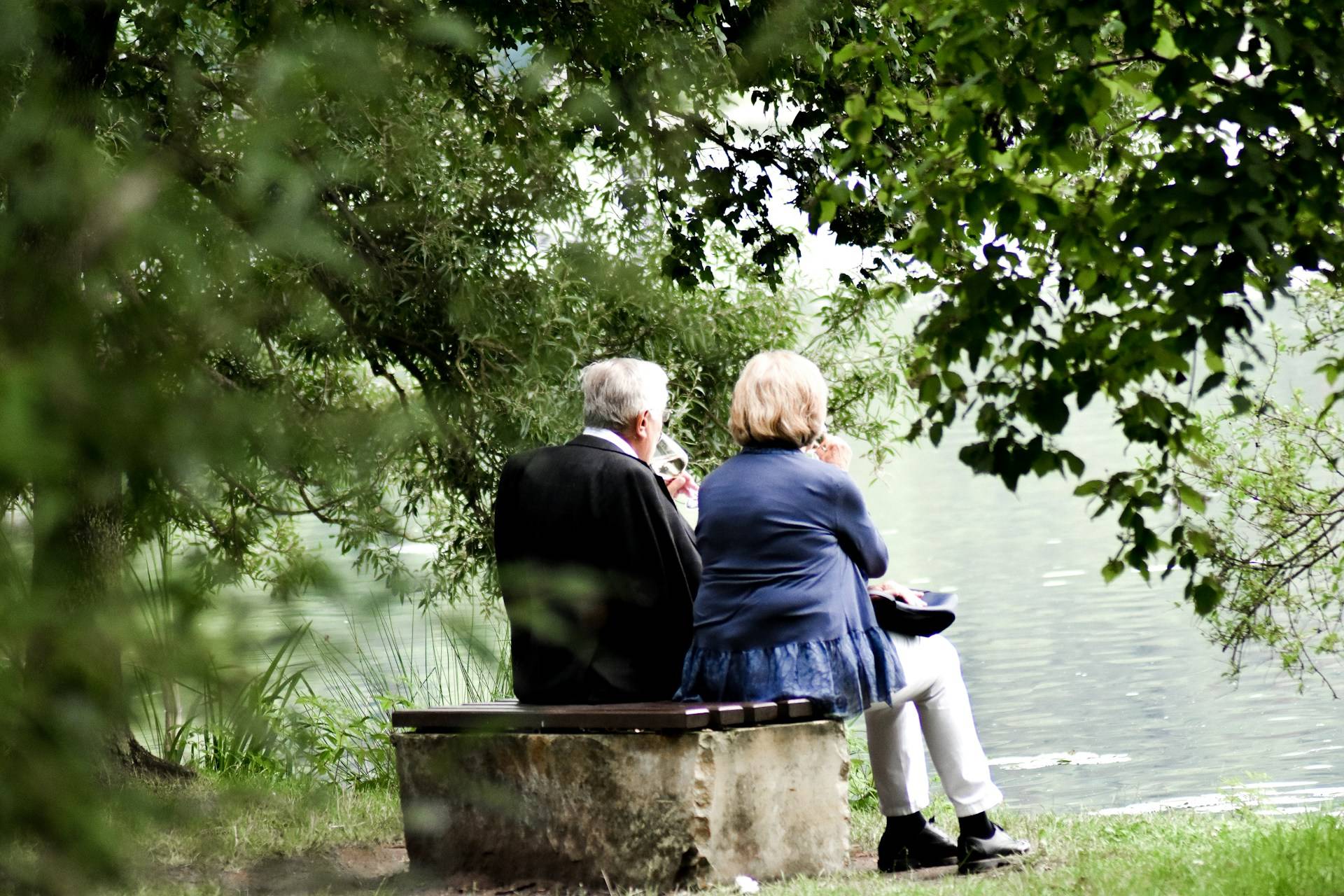
Whether you already live in Switzerland or dream of spending your golden years here, there is much to know about retiring in this country.
Never shy of trying to top each and every list, Switzerland has frequently ranked highly as a retirement destination.
In fact, retirees are better off in Switzerland than in any other country, at least according to the Global Retirement Index 2024.
It is the only nation on the list to rank in the ‘top 10’ sub-categories, which include quality of life and health — but also, two other indicators: retirement finances and material well-being.
But there is one major hurdle nevertheless (at least for people who won’t have loads of money once they retire) — the cost of living.
Here’s what you need to know about retiring in Switzerland.
When can you retire in Switzerland?
Swiss retire relatively early, with a retirement age of 65 for men and for women.
This was different until June 2021, where the retirement age for women was raised from 64 to 65.
The retirement was surrounded by heated debate surrounding the amount of money it will cost to sustain pensions for baby boomers.
That’s because the Swiss population is living longer and the old-age insurance funds are being depleted.
How does the Swiss pension system work?
The Swiss pension system consists of three pillars: state pension (first pillar), occupational pension (second) and the private pension (third).
The first pillar — otherwise known as the AHV / AVS — seeks to cover the basic costs of life and is mandatory.
This includes old-age insurance and survivors insurance, disability insurance (DI/IV/AI) and any supplementary benefits (EL/PC).
The second pillar, the occupational pension, includes everything from the first pillar and is compulsory for employees who earn more than 21,300 francs per year.
The goal of this pension is to allow retirees to retain their previous lifestyle in old age.
Together, the two pillars aim to achieve a total pension income of 50 to 70 percent of pre-retirement earnings.
The third pillar, which is optional, takes into account private savings and investments, such as property.
There are two types of private pension plans: restricted and unrestricted.
The restricted pension plan involves paying into a particular pension fund with a bank or insurance company
The unrestricted version involves all forms of investments and while it is more flexible than the restricted plan, it does not provide tax benefits.
It is important to note that there is no official unrestricted pension scheme – it simply refers to the types of investments that one makes in order to provide for a better financial situation in retirement.
Advertisement
What if you did not work in Switzerland?
Switzerland is not only an enticing retirement destination for those who live here, but for people from all over the world as well (for the latter group, good financial standing is a huge plus — read more about this below).
If you want to move to Switzerland to retire, it’ll make things a little easier if you can transfer your pension here.
This will largely depend on the country you are coming from, with many having a bilateral arrangement which allows people to place their retirement funds into the Swiss pension scheme.
This includes EU and EFTA (Norway, Iceland, and Liechtenstein), along with the United States, Canada, Australia, Israel, Japan, Turkey and several others.
Due to Brexit, the UK operates under a different system called a ‘Qualified Recognised Overseas Pension Scheme’, which helps Brits place their funds into foreign schemes.
More information is available on the official Swiss government website.
Advertisement
How can you move to Switzerland to retire?
For people from the EU and EFTA countries, this is relatively easy.
If you are working, then your residency can be tied to your work. If not, you can apply for a non-working residency permit.
If you are applying from outside the EU/EFTA, you will be categorised as a ‘third country’ citizen, which makes the threshold quite a bit higher.
READ ALSO: How to get a visa to retire in Switzerland
You will need to apply for a residency permit and prove you have adequate financial resources to support yourself in Switzerland without having to rely on social assistance.
You’ll also need Swiss health and accident insurance, and it is helpful if have close links to Switzerland.
This could be past residency, family ties, frequent holidays or real estate. But the final decision is up to the canton where you would like to settle.
READ MORE: How to apply for a Swiss residency permit
Advertisement
How much money do you need to retire in Switzerland?
All depends on your lifestyle and spending habits, of course.
But according to an analysis by VZ Asset Center in Zurich, you need about 1.5 million francs in the bank to enjoy your post-retirement life.
This sum, which initially seems exorbitantly high, is, nevertheless, what is needed to cover all costs incurred until the end of life, the study points out.
And considering that people in Switzerland have one of the world’s highest life expectancies, this sum may have to last for a long time.
Even if pensioners don’t lead an extravagant life, don’t travel much or eat out often, there are still recurring expenses to be paid, like health insurance, utilities, and taxes — all of which take a chunk out of a household budget.
You can find out more about what budget you need to retire in Switzerland here:
READ ALSO: How much money do you need in Switzerland to retire comfortably?
Please note: As with all of our explainers, they are intended as a guide only and do not constitute legal or financial advice. Please discuss any financial decisions with a certified expert in the field.


