• Login
Monday, July 6, 2026
Geneva Times
  • Home
  • Editorial
  • Switzerland
  • Europe
  • International
  • UN
  • Business
  • Sports
  • More
    • Article
    • Tamil
No Result
View All Result
  • Home
  • Editorial
  • Switzerland
  • Europe
  • International
  • UN
  • Business
  • Sports
  • More
    • Article
    • Tamil
No Result
View All Result
Geneva Times
No Result
View All Result
  • Home
  • Editorial
  • Switzerland
  • Europe
  • International
  • UN
  • Business
  • Sports
  • More
Home Switzerland

Euclid space telescope discovers oldest quasars known to date

GenevaTimes by GenevaTimes
July 6, 2026
in Switzerland
Reading Time: 3 mins read
0
Euclid space telescope discovers oldest quasars known to date
0
SHARES
0
VIEWS
Share on FacebookShare on Twitter


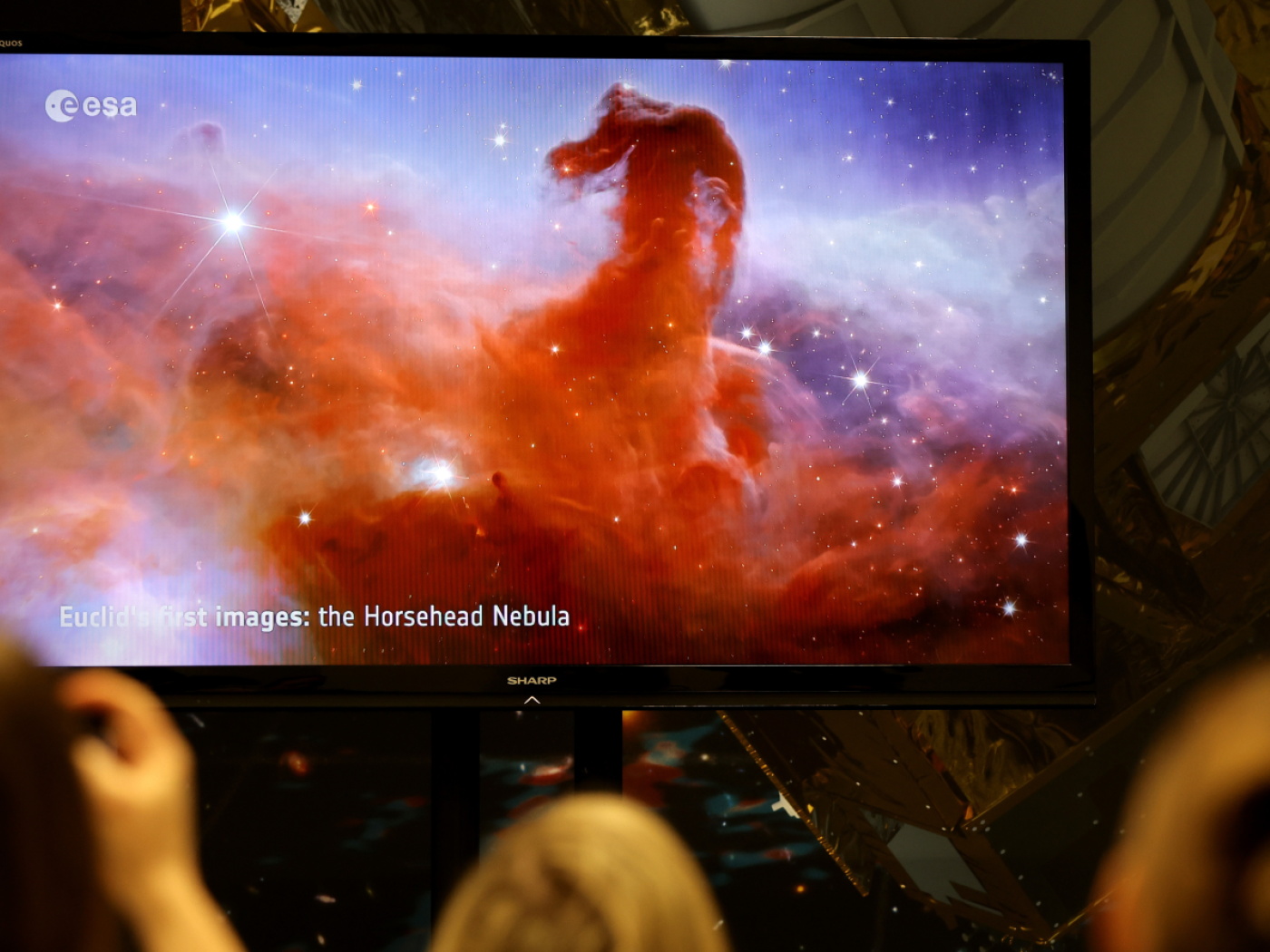
Euclid telescope discovers the oldest quasars known to date

According to the ESA, the two oldest newly discovered quasars shone with the power of around one trillion suns.


Keystone-SDA

The Euclid space telescope mission, which is being led with Swiss participation, has discovered the two oldest quasars ever observed. They date back to a time when the universe was only around 670 million years old. The discovery provides valuable insights into the early history of the universe.


This content was published on


July 6, 2026 – 09:45

Launched in 2023, the space telescope has discovered a total of 31 new quasars from the early universe, the European Space Agency (ESA) announced on Monday.

Quasars are particularly bright centres of galaxies. They represent a brief phase in the life of a galaxy during which large quantities of matter plunge into the central black hole. This process releases an enormous amount of energy, which can outshine the rest of the galaxy by a factor of 100 to 1,000.

According to the ESA, the two oldest newly discovered quasars shone with the power of around one trillion suns. Their light travelled for more than 13 billion years before reaching the Euclid telescope. According to the ESA, they date from around 670 million years after the Big Bang. If the history of the universe from the Big Bang to the present day were compressed into one hour, not even three minutes would have passed when these quasars were shining.

More
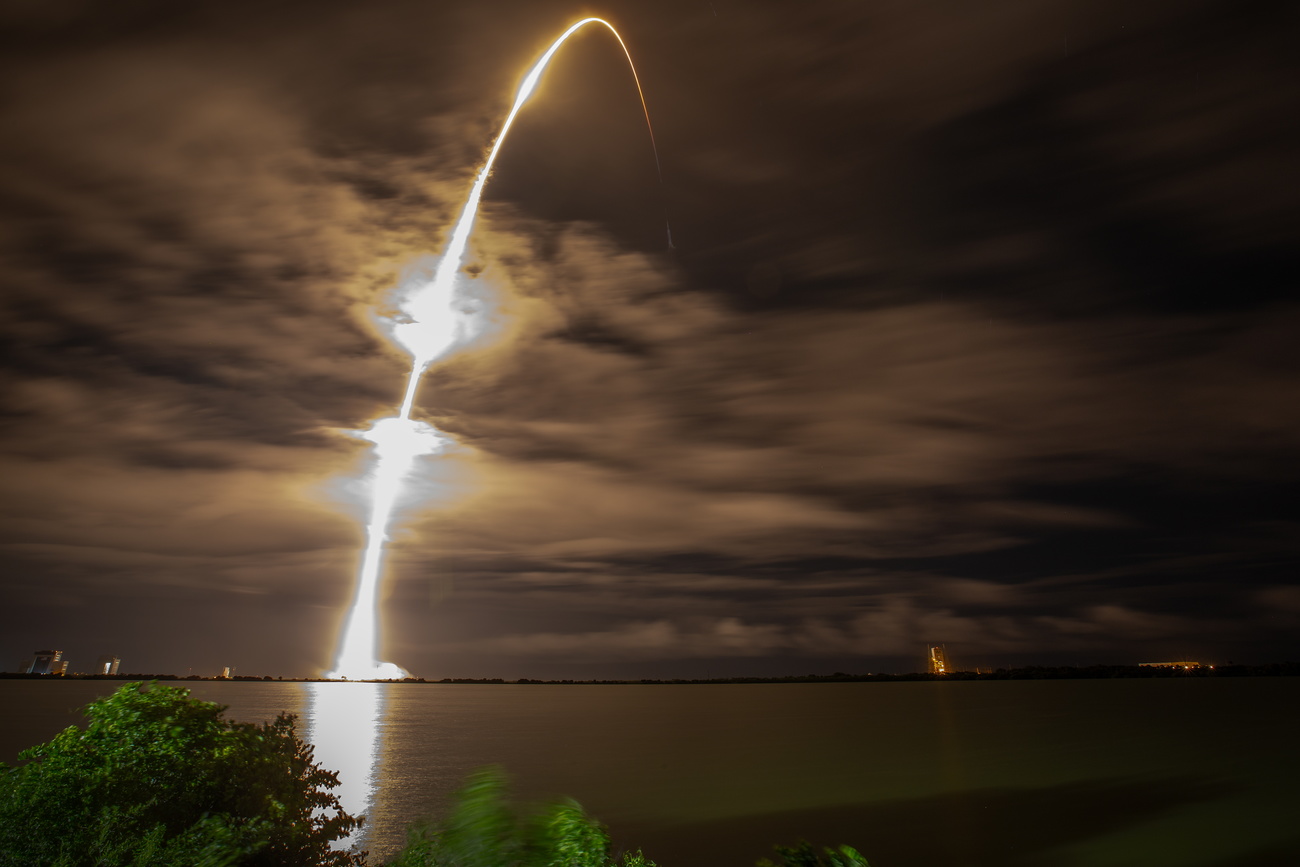
SpaceX Falcon 9 rocket from Space Launch Complex 40 in the Cape Canaveral Space Force Station in Florida, USA, 12 September 2024

More


Swiss diplomacy

Switzerland eyes mediation role amid rising risk of conflict in outer space


This content was published on


Apr 10, 2025


As political jockeying between the major powers intensifies in space, Switzerland wants to play the role of “bridge builder” to avert armed conflict in space.


Read more: Switzerland eyes mediation role amid rising risk of conflict in outer space


Important for research

Such discoveries are important for research. They reveal what happened in the early universe. Researchers hope to use this information to better understand how the first galaxies formed – and how black holes could have grown so large so early on.

Until now, only a few quasars from this early period were known. Euclid has now significantly increased this number. According to the ESA, the discovery doubles the number of known quasars from this era.

Swiss institutions involved in the Euclid mission include the University of Geneva, the University of Zurich, the Swiss Federal Institute of Technology Lausanne (EPFL) and the University of Applied Sciences and Arts of Northwestern Switzerland. Swiss researchers and engineers contributed to areas including instrumentation, data processing and simulations.

Translated from German/sub-editing gw

Articles in this story

Read More

Previous Post

The First Issue of UNEC’s Scientific Journal, the Journal of Belt and Road Studies, Has Been Published

Next Post

Spain vs. Portugal Prediction, Odds, Picks For World Cup Match

Next Post
Spain vs. Portugal Prediction, Odds, Picks For World Cup Match

Spain vs. Portugal Prediction, Odds, Picks For World Cup Match

ADVERTISEMENT
Facebook Twitter Instagram Youtube LinkedIn

Explore the Geneva Times

  • About us
  • Contact us

Contact us:

editor@thegenevatimes.ch

Visit us

© 2023 -2024 Geneva Times| Desgined & Developed by Immanuel Kolwin

Welcome Back!

Login to your account below

Forgotten Password?

Retrieve your password

Please enter your username or email address to reset your password.

Log In
No Result
View All Result
  • Home
  • Editorial
  • Switzerland
  • Europe
  • International
  • UN
  • Business
  • Sports
  • More
    • Article
    • Tamil

© 2023 -2024 Geneva Times| Desgined & Developed by Immanuel Kolwin