

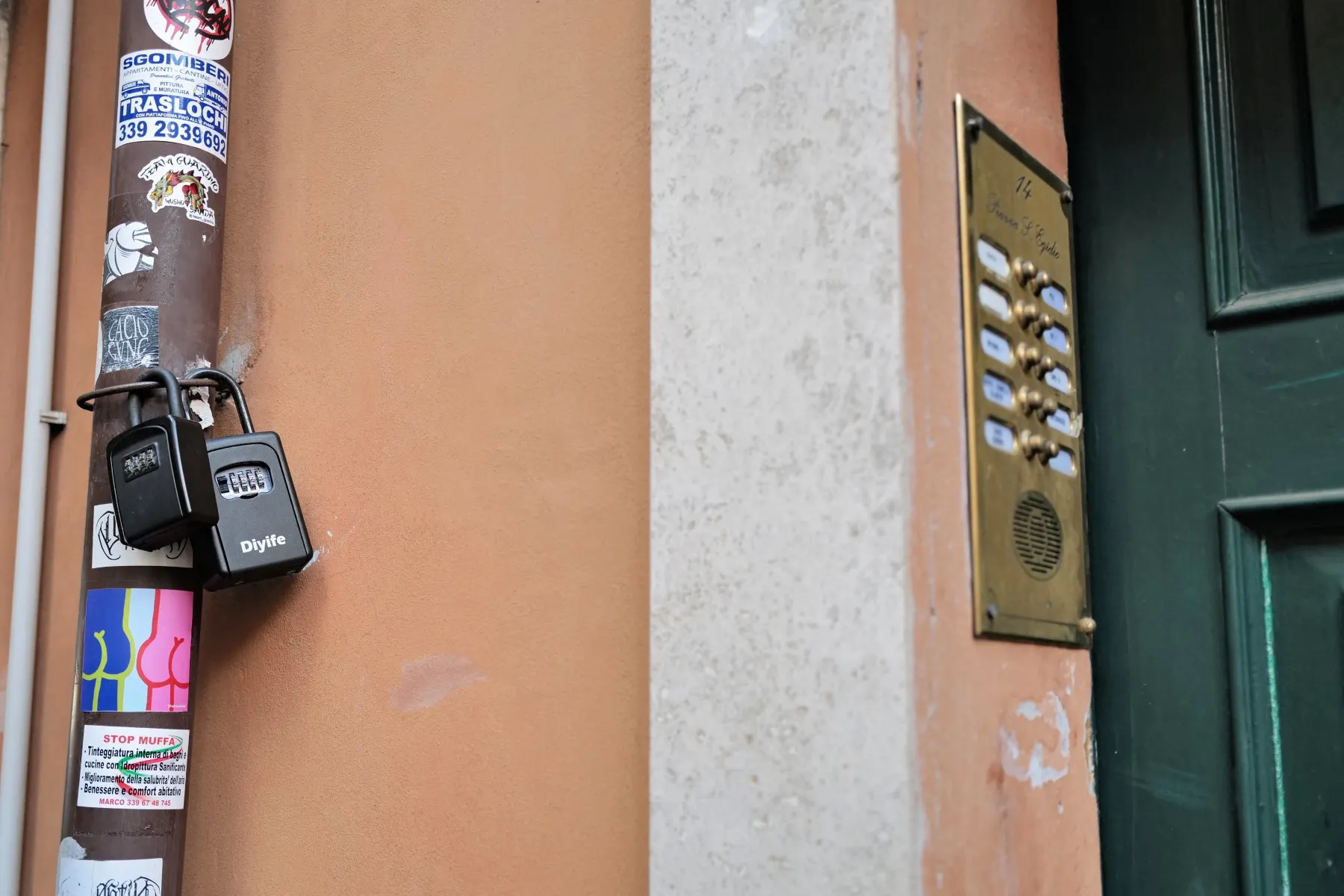
The EU is set to lay out rules helping European cities to curb short-term rentals such as Airbnb in a bid to tackle rising house prices, according to plans seen by AFP Friday.
The European Commission is expected to unveil next week a legal proposal setting out the conditions under which authorities can restrict the provision of short-term tourist lets.
Such rentals have increasingly come into the crosshairs of local authorities in tourist hotspots such as Florence and Barcelona, as residents complain about being priced out by visitors.
But curbs have often been followed by court challenges from rental providers and tourism operators, resulting in legal uncertainty.
READ ALSO: Can Barcelona really ban all Airbnbs?
The commission’s Affordable Housing Act aims to clarify when authorities can take action without falling foul of EU single market rules.
Cities, regions and other relevant authorities would be allowed to restrict access to, or the provision of short-term rentals as well as the purchase of property for short-term letting in areas “under housing stress”, according a draft seen by AFP.
The document lays out a series of parameters that need to be met for an area to be defined as under stress, such as the difference between house prices and incomes there.
The legislation will not affect landlords that rent out their own primary residence for short periods of time.
Housing affordability has become a growing issue across the 27-nation bloc in recent years.
Property prices have surged by 60 percent, while rents have climbed by 20 percent over the past decade, leaving millions struggling to find a home they can afford, according to Brussels.
The EU says this is mainly driven by insufficient housing supply but short-term lets add extra pressure in certain areas, further reducing supply and driving up prices — something rental providers dispute.
“Europe’s housing crisis needs structural solutions, and the implementation of this Act should focus on increasing the supply of homes,” said an Airbnb spokesperson.
READ ALSO: Will heatwaves push European holidaymakers to ‘coolcations’?
