


The drought is also affecting ticks and Japanese beetles
Keystone-SDA
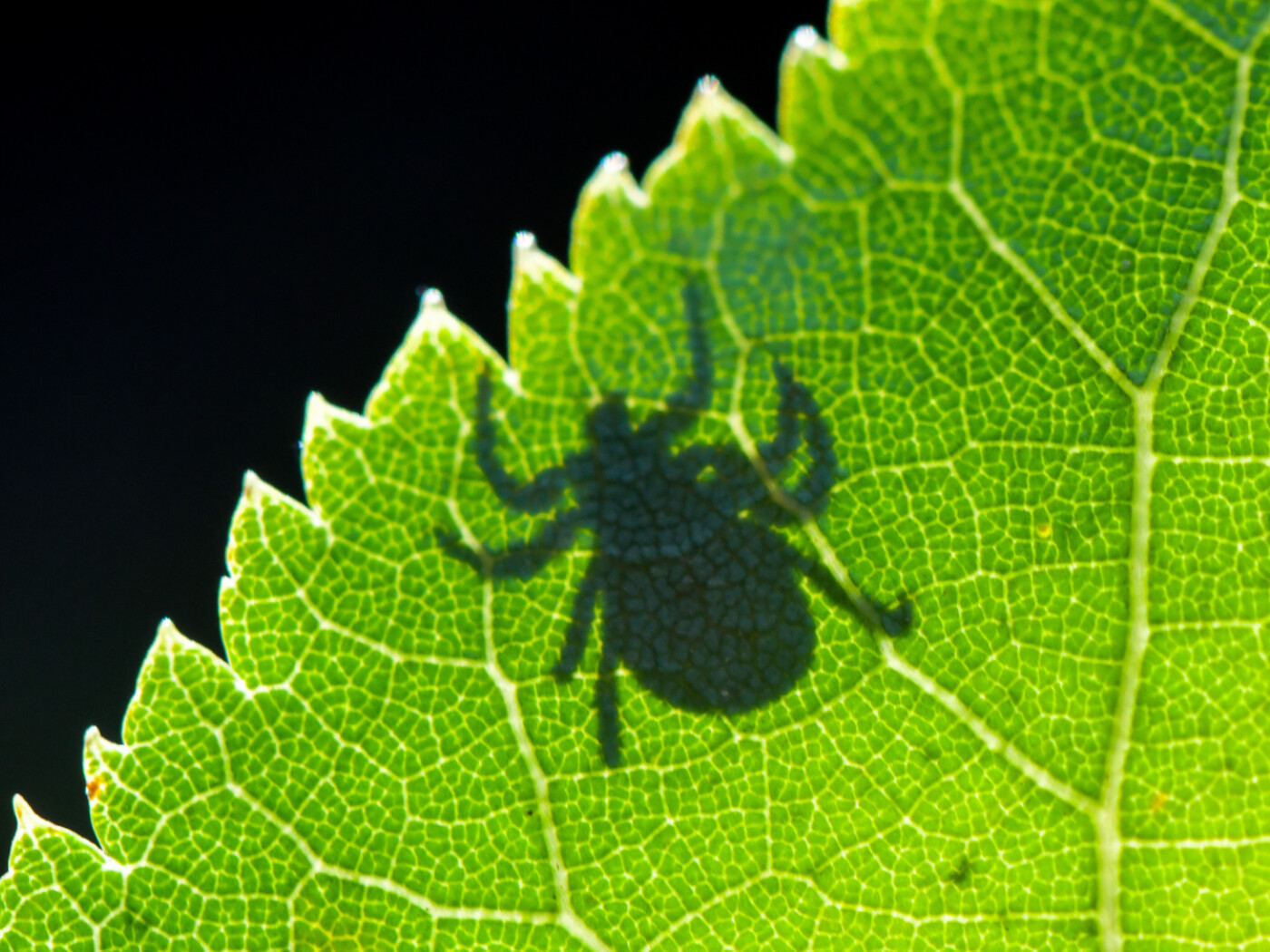
The persistent heat and drought could have a detrimental effect on ticks and the larvae of Japanese beetles. According to experts, as heatwaves become more frequent, their behaviour could change.
Ticks do not like heat or dry conditions. They are therefore most active in spring, early summer and autumn, according to the Federal Office of Public Health (FOPH). The same applies to the larvae of the Japanese beetle, which do not find the conditions conducive to their development in dry soil.
If periods of drought become more frequent, this could well have an impact on the behaviour of ticks, the Swiss Tropical and Public Health Institute (Swiss TPH) told news agency Keystone-SDA.
Ticks harder to find
Admittedly, no comparable data has been collected. “But as part of a Master’s project, the search for ticks proved difficult, which is no doubt due to the drought,” explains Pie Müller, head of the Vector Biology research group at Swiss TPH.
The Federal Office of Public Health has no information on the size of the tick population, but does provide data on trends in diseases that can be transmitted by tick bites, namely tick-borne encephalitis (TBE) or Lyme disease.
The annual comparison chart shows that the number of TBE infections recorded in June 2026 was significantly lower than in the same month of the previous year, namely 1.18 cases compared with 1.46 cases per 100,000 inhabitants.
The situation is similar for Lyme disease. In June 2026, there were 23.16 infections per 100,000 inhabitants, compared with 28.45 cases the previous year.
These comparisons should, however, be treated with caution, as statistical fluctuations from one year to the next can be significant, particularly given the relatively low number of TBE cases.
Japanese beetles also affected
Heat and drought, on the other hand, do not bother Japanese beetles, which are harmful to plants. Quite the contrary, explains Timo Börker of the cantonal plant protection service within the City of Basel’s Parks and Gardens Department. “Temperatures between 21°C and 35°C provide ideal conditions for the beetles.”
Whilst the adults actually thrive in these conditions, the same cannot be said for their larvae, which do not find conditions conducive to their development during periods of drought. However, the full extent of the effects will only become clear during the coming season.
+ How we produce English news
Translated from French, reviewed by an English Department journalist.


