


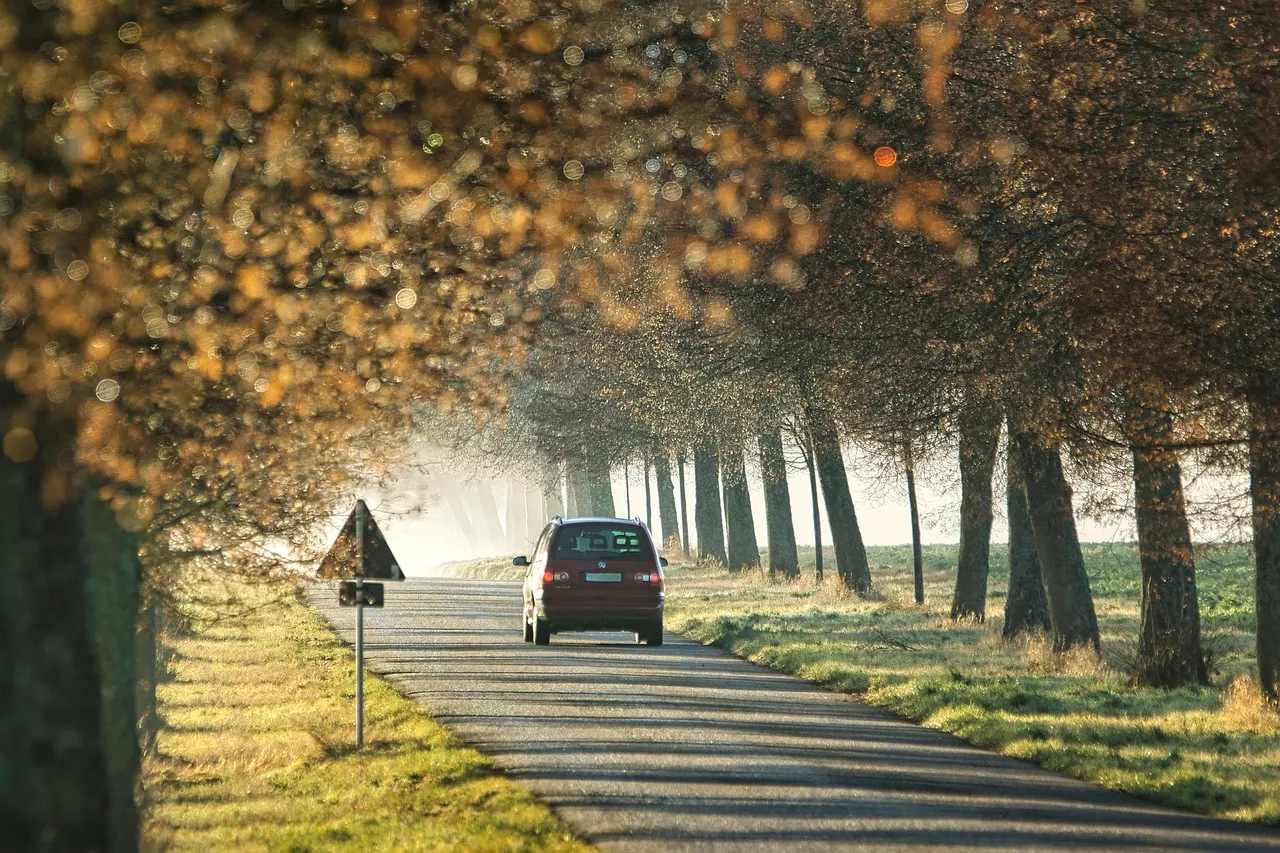
Chances are that you, like the majority of people in Switzerland, own a car and depend on it to get around. But do you really need it?
If you rely on your vehicle to drive to and from work, and anywhere else you need to go, then you probably can’t even begin to envisage your life without it.
But perhaps you are wondering if you should give up the car — whether for environmental, financial, or any other reason.
If that’s the case, you would certainly not be alone: 19 percent of Switzerland’s residents don’t own a vehicle, depending on public transportation and cycling instead
Could you manage without a car?
Let’s put it this way: if you are thinking of giving up your vehicle (or not buying one in the first place), Switzerland makes it easy to do so: here, you can be car-less, while still managing to get from point A to point B — and beyond.
The reason is the country’s efficient and dense transport system consisting of 5,200 km of railway lines, 21,500 km of buses and trams, and 1,000 km of mountain trains.
The network covers the width, length and — importantly for a mountainous country — the heights of Switzerland, so chances are good that there is some type of public transport available in your community as well.
However, as dense as the Swiss transportation network is, it is not evenly distributed across all regions in terms of availability and / or frequency.
Advertisement
Urban versus rural
If you live in a large city or even a medium-sized town, you will have no problem commuting by public transport.
All cities have a well-organised and convenient system of buses and / or trams (and in case of Lausanne also a metro), which run frequently and mostly on time.
Additionally, the network’s timetables are synchronised to ensure the most efficient connections. For instance, you can take a bus or a tram from a stop closest to your home and ride to the railway station; from there, you can hop on a regional or intercity train and go virtually anywhere near or far.
This practical system means that if you live in a town, you can manage to get around and reach different places just fine without a vehicle.
Take Basel-City, for instance
In September 2025, the canton launched ‘The Environmental Bonus for Deregistered Cars’ campaign.
This is how it works: local residents who permanently deregister their car will receive 1,500 francs in the form of a Reka Rail+ credit.
The credit can then be redeemed for tickets and subscriptions from various public transport providers (including the SBB General Abonnement and Half-Fare travelcard, and tickets for other regional and mountain railways), for sharing offers (PubliBike and Mobility), or at local bicycle dealers. The credit does not expire; it can be divided between different mobility offers and used for all people living in the same household.
Therefore, campaign “creates an incentive for more households in Basel-City to switch to trams, buses, and bicycles, or to use shared vehicles, thus making their travel more environmentally friendly in the future,” the canton said.
Advertisement
Basel, as most Swiss cities, has an excellent transport network, but what if you live in the countryside?
The good news is that unless your home is located in an inaccessible, remote area where no other humans have ever set foot, you can have access to some form of transport.
Most commonly, it will be PostBuses, the 2,400 yellow vehicles covering a network of 936 lines that span almost 17,000 kilometres of country roads, no matter how narrow and winding.
READ ALSO: Why PostBuses are true Swiss icons
In general, however, commuting may get a bit more challenging if you live in the countryside or a rural area.
Buses will likely not run as frequently as they do in urban centres, which means that relying exclusively on the local transportation system may not always be as convenient as driving.
All things considered, the practicality and convenience of a car may weigh in its favour.
Advertisement
Other things to take into account
If you live in place with a good transport infrastructure, not owning a car will be beneficial from the financial point of view.
If you do the math, you will see that you can save quite a bit of money by traveling exclusively by public transportation — as many city residents do.
The system is definitely not cheap, though you can cut costs by purchasing a travel card instead of paying full fares.
READ ALSO: 4 things to consider when buying a travel card in Switzerland
This is worth your while, especially if you consider how much it actually costs to own a vehicle — not just the price you pay when you purchase it, but all the follow-up charges as well.
For instance, there are obligatory charges such as the registration fee, a motor vehicle tax, and insurance.
Then there is the price of petrol as well as service and maintenance, in addition to parking fees.
All these charges vary from one canton to another, but if you add them up, you will see that public transportation is cheaper in comparison.
In the end, you must take all these factors into account before deciding whether owning a car or traveling by public transport makes more sense to you.


