

BAKU, Azerbaijan, August 28. President of
Tajikistan Emomali Rahmon on August 26 opened and remotely
commissioned a number of industrial, social and infrastructure
facilities during a working visit to Danghara district, including
new enterprises in the Danghara Free Economic Zone (FEZ). The scale
of the projects launched suggests that the district is gradually
becoming one of the platforms for expanding processing and
construction materials production in the country.
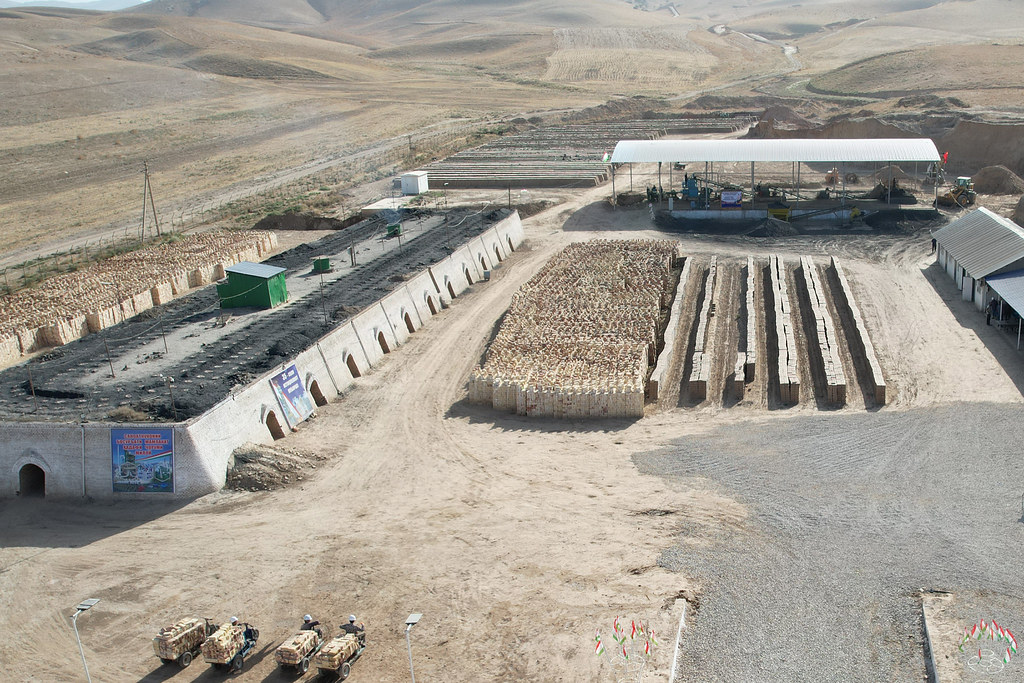
The industrial facilities launched that day include enterprises
producing linseed oil, roofing materials, bricks and foam blocks,
as well as an oil production facility in the village of Shahbur.
Three facilities were launched in the Danghara FEZ, creating a
total of 45 jobs: Green Gold LLC will have an annual production
capacity of up to 100 tons of linseed oil, Sanoati Bompushkhoyi
Dangara LLC – up to 5 million sheets of slate, and Sangvor Sanoat
LLC – up to 10 million units of five types of bricks per year. A
separate enterprise in Shahbur can process up to 7 tons of raw
materials per day and has created another 18 jobs.
These projects are complemented by production facilities
launched in Levakant, where workshops producing paint for
horizontal road markings, raw materials for detergents and
furniture have begun operations. Their emergence is important not
only for final product output but also for creating shorter
production chains within the country. For example, the road-marking
paint workshop has a production capacity of 15 tons per month,
while 70 percent of the powdered raw materials for detergents are
already produced domestically.
The structure of the new projects is consistent with broader
changes in the country’s economy. According to data published in
July, Tajikistan’s GDP amounted to 81.68 billion somoni (about
$8.86 billion) in January-June 2026, increasing by 8.2 percent in
real terms.
Against this backdrop, the performance of the Danghara FEZ
serves as a separate indicator. According to the authorities, 41
entities are registered in the zone, of which 15 are already
engaged in manufacturing activities and another five provide
services. During the first seven months of 2026, 90 million somoni
(about $9.8 million) in investment was attracted to the zone, while
140 new jobs were created.
At the same time, industrial activity in Danghara is developing
not only through domestic investment. One of the newly launched
roofing materials plants was built with foreign investment. This
creates conditions for further expansion of the zone’s industrial
base, although the ultimate impact will depend on how quickly the
new facilities can reach their designed capacities and secure
sustainable demand for their products.
The potential impact of this model will depend on how fully the
new capacities are utilized after the initial investment cycle.
Production of construction materials, oils and other goods for the
domestic market could reduce the need to import corresponding
products. However, the sustainability of this effect will depend on
production costs, access to raw materials, product quality and the
ability of local producers to compete with imports.
Domestic demand will be another important factor. In Danghara
district, schools, kindergartens, sports facilities and other
social infrastructure were being commissioned alongside industrial
projects. The new brick and foam-block plant, for example, is
intended to supply the construction sector with materials, meaning
that its future utilization will also depend on construction
activity in the country.
If the new enterprises reach their stated capacities, the next
stage could involve expanding supply chains — from raw material
production to finished goods. This could increase the share of
processing industries in the economic structure and generate
additional demand for logistics, electricity, equipment maintenance
and skilled labor.
Another possible scenario involves attracting new investors to
the Danghara FEZ. The presence of operating manufacturing
facilities could make the zone more attractive to companies
interested in locating production close to suppliers and consumer
markets. In this case, an increase in the number of enterprises
could lead not only to higher output but also to the emergence of a
more diversified industrial specialization in the region.
At the same time, maintaining the current momentum is not
automatic. Some of the entities registered in the FEZ are still at
the stages of documentation, design and construction. Therefore,
one of the key indicators in the coming years will be the
transition from registering and launching individual projects to
sustainable operation of production capacities and growth in actual
industrial output.
Thus, the future development of Danghara district could follow
several paths: new enterprises may focus primarily on replacing
imported goods; the industrial base could expand through new
investors and greater localization of raw materials; or some of the
newly created capacities could operate below their designed levels
if domestic demand, production costs or access to markets prove
insufficient.
For Tajikistan’s economy, the outcome of this industrial drive
will be determined not by the number of facilities opened, but by
their ability over the coming years to sustain production, create
jobs, attract domestic and foreign capital and establish stable
production chains within the country.
