

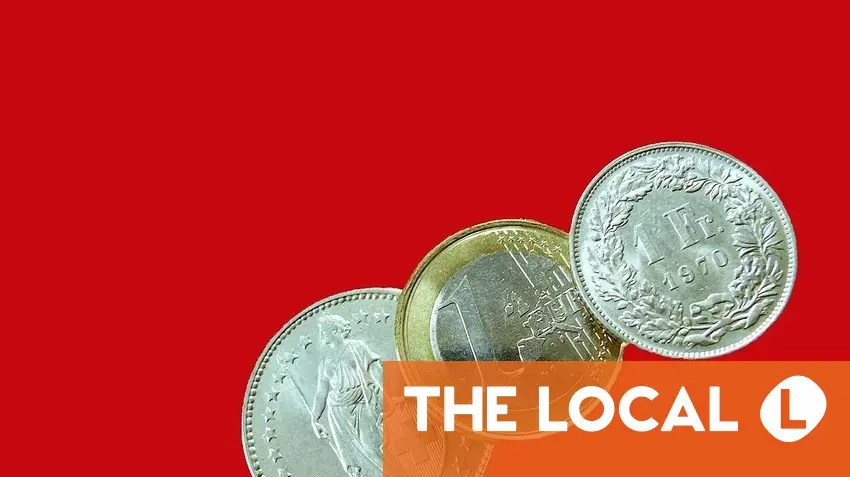

Switzerland’s famously strong currency, the franc, has been steadily depreciating over recent months, reaching its lowest level in a year.
At the beginning of the year, in January 2026, the franc had reached new highs against the euro, continuing to strengthen against the European currency for two more months.
In the last week of January, the franc rose to a level of 0.9167 against the euro – the highest in more than a decade.
That was due to Switzerland’s low inflation rate, coupled with the franc’s reputation as a safe haven in times of high uncertainty worldwide.
That was then. What is happening now?
The franc has gradually been losing its value since March.
On August 14th, it fell to its lowest level in 12 months: 0.9405 against the euro.
The reason, according to the financial portal Cash, is “overall easing of tensions in the Gulf region, which is reducing the franc’s appeal to international investors.”
Right now, you will get 1.06 Euro for 1 franc; the conversion rate earlier this year was 1.09 euros for 1 franc.
This may not seem like a big difference, but it nevertheless means a 2.79-percent decrease in the value of the franc versus the euro.
The big winner: Swiss exports
Since the eurozone is Switzerland biggest trading partner, and the strong franc made Swiss products too expensive in the EU, the current exchange rate is actually a boost for the export sector.
It also makes Switzerland just a bit cheaper for visitors from the EU countries.
What about residents of Switzerland?
Overall, the franc is still stronger than the euro, so that shopping in neighbour countries is still worth it if you earn your salary in francs.


