


Swiss Environment Ambassador Felix Wertli.
Keystone-SDA
Following the hot summer in Europe, expectations are high for the World Climate Conference which begins on Monday. However, no fundamental decisions are expected. For the Swiss delegation, the priority in the negotiations is to defend existing commitments.
“The main aim is to ensure progress under the agreement,” says Environment Ambassador Felix Wertli in response to a query from the Swiss News Agency Keystone-SDA. Wertli is leading the Swiss delegation at the 31st UN Climate Change Conference (COP31), which is taking place in Antalya, Turkey, from November 9-20.
Representatives from 197 countries are there to negotiate the next steps towards implementing the Paris Climate Agreement. The conference is a “working COP”, explains Wertli. The timetable set out in the Paris Agreement does not provide for any major policy decisions until COP33 in two years. Until then, the main focus will be on advancing existing commitments and achieving concrete progress, he says.
More

More
How the fossil fuel industry intervenes at COP conferences and in Switzerland
Increased pressure to act
The pressure to act has grown over the past year, says Wertli. Countries are feeling the effects of climate change ever more acutely, and many people are demanding swift responses.
Furthermore, scientific warnings are exacerbating the situation. A report by the United Nations Environment Programme (UNEP) states that the world is likely to temporarily exceed the 1.5°C target set out in the Paris Agreement.
Despite this development, Switzerland remains committed to the 1.5°C target. A temporary overshoot does not mean that the target should be abandoned, Wertli emphasises. Rather, the international community must do everything in its power to reduce global warming again as quickly as possible.
More

More
Summer heatwave linked to over 1,200 deaths in Switzerland
According to Wertli, the Swiss delegation is working to identify areas for action with rapid impact, where the international community can achieve more more quickly. Specifically, the chief negotiator cites, for example, the global expansion of electrification to 35% by 2035, improved early-warning systems for natural hazards, and the reduction of methane emissions.
Switzerland is also insisting on roadmaps for phasing out fossil fuels and is calling for all wealthy nations – including countries such as Singapore, Saudi Arabia and the United Arab Emirates – to contribute to climate finance for the poorest nations in future. For environmental organisations such as WWF Switzerland, however, this stance does not go far enough: they are calling on Bern not only to hold new donors to account but also to increase its own contribution to international climate finance.
Smaller countries must also play their part
According to Felix Wertli, the biggest contributors to climate change face a particular challenge. The G20 countries are collectively responsible for around three-quarters of global greenhouse gas emissions. They must therefore set climate targets that are compatible with the 1.5°C target, he says.
At the same time, smaller countries must not shirk their responsibilities. Many states argue that their own emissions are too low to make a noticeable difference. “But if you take all the countries together – each of which is responsible for no more than 1% of global emissions – they collectively account for almost 30% of global greenhouse gas emissions,” Wertli emphasises. That is why every single country’s contribution is needed.
More
More
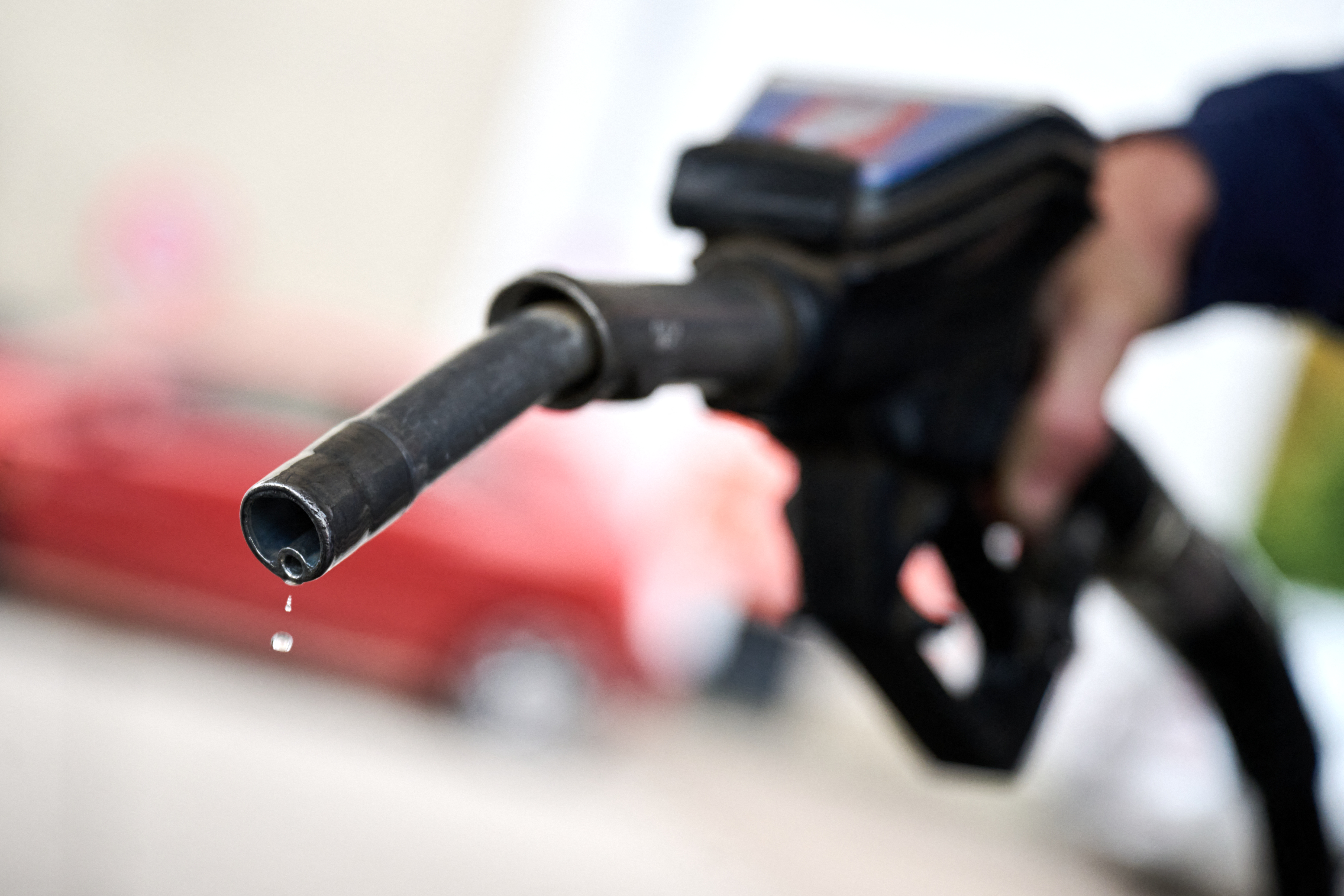
Germany wants to phase out fossil fuels. What about Switzerland?
Switzerland, too, must play its part, he says, adding that direct democracy takes time to build broad support for climate policy measures. However, all countries face such challenges. “There are no model pupils in climate policy,” says Wertli. “It is a challenge for everyone.”
Agreement not a failure
Despite the looming failure to meet the 1.5°C target, Wertli does not regard the Paris Agreement as a failure. “Without the agreement, we would be in a much worse position,” he says. In 2015, the world was still on track for warming of around 4°C; today, the forecast stands at 2.6°C to 2.8°C, he says. Furthermore, following the US’s renewed withdrawal, no other country has pulled out of the agreement.
In the real economy, too, the global shift away from fossil fuels has long been tangible. “Ten years ago, anyone who bought an electric car was still considered an oddity – today, 30% of cars sold worldwide are electric,” says Wertli. In the solar energy sector, newly installed capacity is doubling every three years. This momentum shows that we can cast aside our sense of powerlessness, he says. “Countries are actually on the right track but not moving fast enough yet.”
+ How we produce news in English
Translated from German, reviewed by an English Department journalist.


