


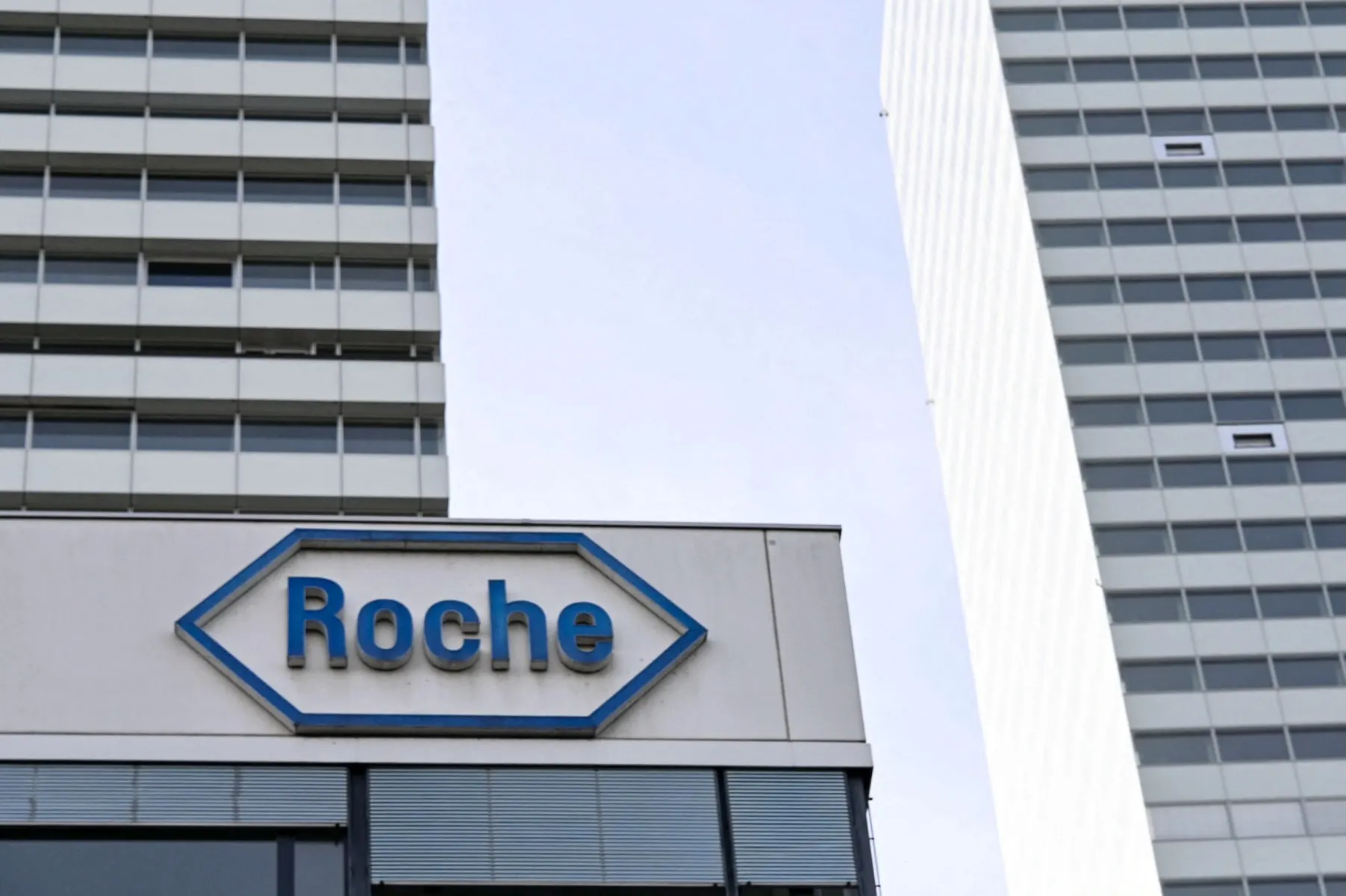
Switzerland could face recession if Washington slaps its vital pharmaceutical sector with the threatened 100-percent tariff, a leading Swiss economic expert told AFP Monday.
US President Donald Trump last week said he would impose 100-percent tariffs on all branded pharmaceutical products from Wednesday, unless companies build manufacturing plants in the United States.
The announcement sparked deep concern in Switzerland, which is home to a number of pharmaceutical giants including Roche and Novartis.
Switzerland’s pharmaceutical industry is the main driver of economic growth and alone generates seven to eight percent of the country’s gross domestic product.
So far, the impact on it remains “unclear”, according to Hans Gersbach, co-director of the KOF Swiss Economic Institute.
In an interview with AFP, he said the scope of Trump’s latest round of tariffs was “particularly vague”, stressing the need to wait for details on the companies and products affected before drawing conclusions for the Swiss economy.
But “should a large proportion of the exports to the US be burdened by the tariffs in the pharmaceutical sector, and remain in place for a longer period, there’s a clear risk of recession for Switzerland,” he warned.
‘Hugely important’
The KOF, which is linked to the prestigious Federal Institute of Technology Zurich, has created a model for swiftly calculating how trade shocks can impact the economy.
When Trump shocked Switzerland with a 39-percent tariff on its exports — excluding pharmaceuticals — the institute estimated within a matter of hours that the country’s GDP would take a hit of between 0.3 and 0.6 percent.
That was “already a large shock” for the Swiss economy, Gersbach said, stressing though that it appeared that “recession is avoided”.
But he warned that towering tariffs on pharmaceuticals would take a far heavier toll.
“In 2024, we had an almost 40-billion franc surplus in trade to the US from our exports, and almost two-thirds of that was from the pharma-chemical sector,” he pointed out.
Advertisement
Roche and Novartis both announced plans back in April to invest tens of billions of dollars in the United States in the coming five years in a bid to head off tariffs.
Faced with Trump’s demand that pharmaceutical companies cut prices in the United States, Novartis chief Vasant Narasimhan meanwhile said earlier this month that he was seeking “constructive solutions so that Americans pay less for their medicines”.
On Monday, the company said it was launching a direct-to-patient platform in the United States to sell a discounted version of its Cosentyx drug for treating inflammatory conditions like psoriasis.
In perhaps a positive sign, the two companies’ stock value has remained relatively stable following Trump’s announcement Friday of the looming sector-specific tariffs.
But there is so far no confirmation that they have dodged the bullet.
And even if the two giants are exempted, Gersbach cautioned: “A lot of other smaller companies will be hit.”


