


Capella Hotel Group, the ultra-luxury hotel group that once played host to the leaders of two nuclear powers, is pursuing more aggressive growth with plans to double its portfolio by 2030 with new ventures in Europe and the Middle East.
“Capella is at an inflection point,” Roland Fasel, the firm’s new CEO, tells Fortune. “We’ve gained recognition in the last few years and that gives us the confidence to go forward.”
The group’s first European hotel, based in a 12th-century compound near Florence’s Duomo cathedral, will open in late 2027. Capella will also debut in the Middle East that same year with a property in Riyadh, Saudi Arabia; there are at least ten other hotels in its pipeline.
Capella currently has a dozen properties: Ten luxury hotels, the most recent of which opened in Kyoto in March, and two properties under its more accessible Patina brand. “We are growing, but we’re not just putting flags in destinations. It’s a thoughtful, focused growth model,” he explains.
When asked how Capella chooses locations for its hotels, Fasel says the company focuses on “gateway cities,” or entry points for hospitality companies looking to break into a new region. He cites Shanghai in China, Los Angeles and New York in the U.S., and Paris and London in Europe as examples.
“Brand equity is created in gateway cities,” he explains. “And within those gateway cities, you still need to find the right neighborhood and depth of market in order to tell a story.”
A family-owned brand
Capella is best known as an ultra-luxury hospitality brand, playing host to events like the first meeting between U.S. President Donald Trump and North Korean leader Kim Jong-un in 2018, held at the Capella Singapore.
Ritz-Carlton co-founder Horst Schulze founded Capella in the early 2000s; Schulze later sold the company in 2017 to Singapore’s Kwee family, whose Pontiac Land Group controls some of the country’s most prestigious real estate assets.
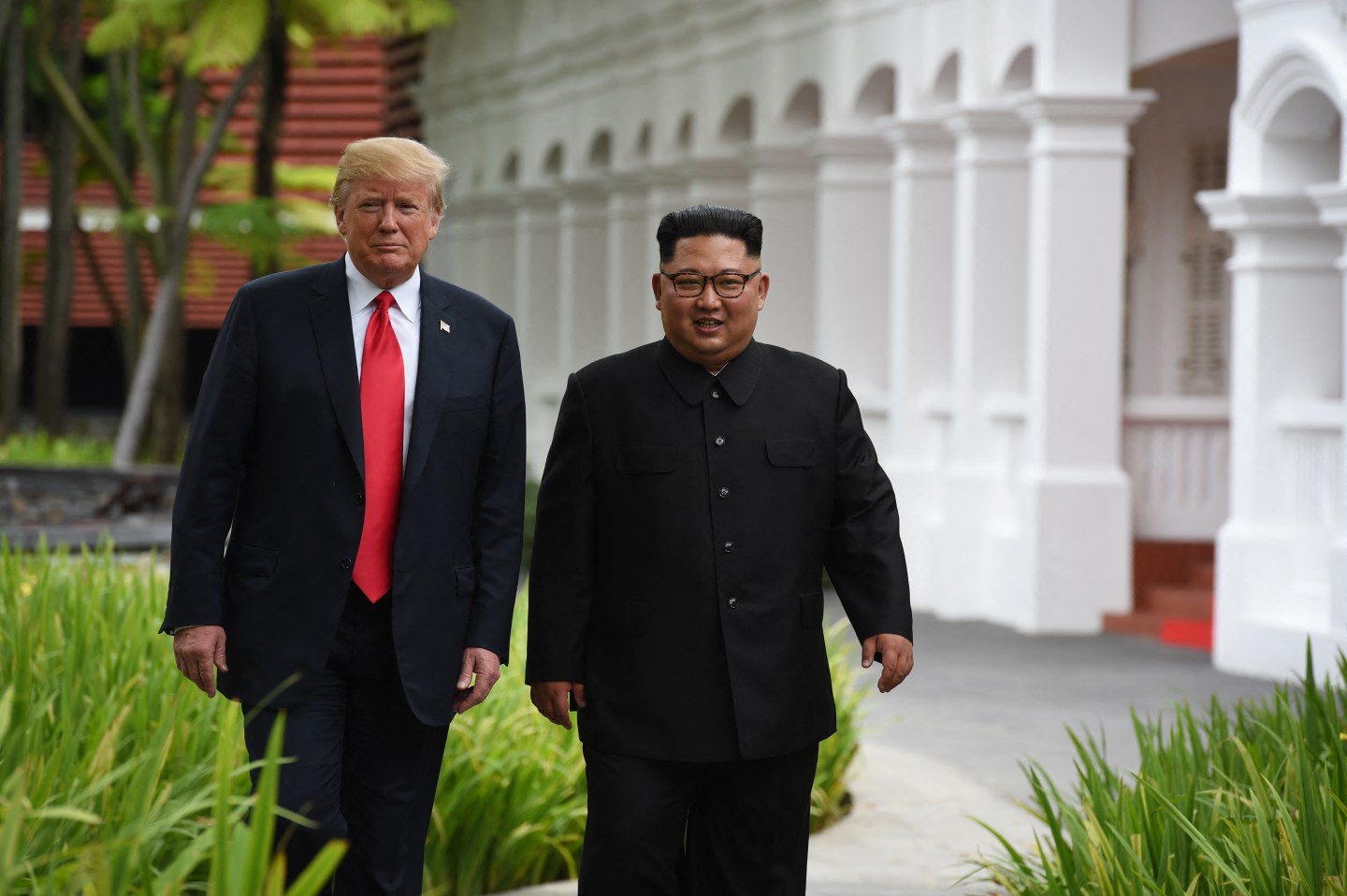
Anthony Wallace/Pool—AFP via Getty Images
Fasel joined Capella as CEO last month, following stints at other hospitality companies including Aman Resorts and the Maybourne Hotel Group. “We need a leader who can strengthen our competitive position,” Capella vice chairman Evan Kwee said in a statement at the time.
Capella remains a privately held, family-owned company, which Fasel sees as an advantage in helping it stand out from its competitors. “There’s only a handful of independent, agile, family-owned ultra-luxury brands left,” he says. “We take a very personalized approach to service delivery—with great detail, respect, and an anticipatory way of looking at what guests need before they know it themselves.”
In 2020, the company launched Patina, a sister lifestyle brand targeting “progressive travelers of a new generation.” The first Patina property opened in the Maldives, with projects in Bali and Hainan still in development.
“Patina has a ‘bigger’ vibe, where it’s more about music and art,” Fasel explains, compared to the more “restoration-focused” approach of Capella’s traditional properties.
Disruptions
Still, geopolitics is throwing a wet blanket on Capella’s expansion plans. The company’s Saudi Arabia resort was originally scheduled to open this year, but the debut had to be pushed to 2027 after the outbreak of the Iran war in February.
“Anything on a macroeconomic level and geopolitical level affects everyone’s business,” Fasel explains. “It automatically has a ripple effect. Cost bases, deliveries and lead times all change.”
Inbound tourism to the Gulf has fallen drastically since the Iran war began. In March, the World Travel & Tourism Council reported that the Middle East was losing around $600 million a day in tourism revenue. Airlines have also reduced their flights to the region, hitting plans by several economies to become tourist hubs.
Capella is also shifting its strategy to include residences in its newer resorts, meaning that some units in the hotel complex will be sold to private buyers or leased as serviced apartments. While some Capella properties already have residential units, “it’s now officially part of our strategy,” Fasel says.
Capella’s secret? Employee satisfaction
Capella ranked No. 3 on the inaugural Southeast Asia edition of the Fortune 100 Best Companies to Work For list.
The company built the Fari Campus, an employees-only island within its Patina Maldives location. The site is equipped with a soccer pitch, basketball and volleyball courts, two restaurants, an employee beach, and space for staff members’ families. The campus also offers educational courses from the Ecole hôtelière de Lausanne, the Swiss hospitality school, that employees can use to deepen their skills.
Fasel says he got his philosophy of employee engagement from Canadian hotelier Isadore Sharp, the founder of Four Seasons Hotels and Resorts. “You should look after your community, culture, and employees first. And once that engagement, passion, and alignment is there, they will automatically look after your guests.”
Looking ahead, Fasel hopes to expand Capella to new ventures like longevity, adding treatments like cryotherapy to the visitor experience. More broadly, he hopes that Capella will grow to lead the discussion on how the ultra-luxury hospitality business is shaped in Asia and beyond.
“In five years, I think we’ll lead many of the discussions of how ultra-luxury hospitality is being shaped,” he says.

