

Heavy snowfall – between 20 and 40 cm in the mountains – has increased the risk of avalanches in certain areas of the Swiss Alps on Monday.
Consequently, the Institute for Snow and Avalanche Research (SLF) has issued the second-highest avalanche risk warning – 4 out of 5.
The areas where the risk is currently highest are Valais, as well as the Bernese Oberland.

Orange colour indicates where the risk of avalanches is highest. Map by the Institute for Snow and Avalanche Research
The federal institute said this this high alert is due to the “abundant” fresh snow and wind-blown snow of the past four days, which are “poorly bonded in many places with the older snowpack,” therefore raising the risk of avalanches.
One injured, three dead
In Switzerland, a snowboarder was swept away in the first avalanche of 2026 – on Sunday January 11th – in the Lötschental (Valais).
He was left injured and was airlifted to a nearby hospital after being dug out of the snow.
The toll was even heavier in the French Alps, where avalanches killed six off-piste skiers.
Mind the risks
Though the season is still young, if it is like the previous winters, avalanches will claim even more lives.
For instance, according to the SLF, 23 people died in the avalanches in the Swiss Alps during the 2023/24 winter season, and 10 in 2024/25 – most of them while skiing off-piste.
Advertisement
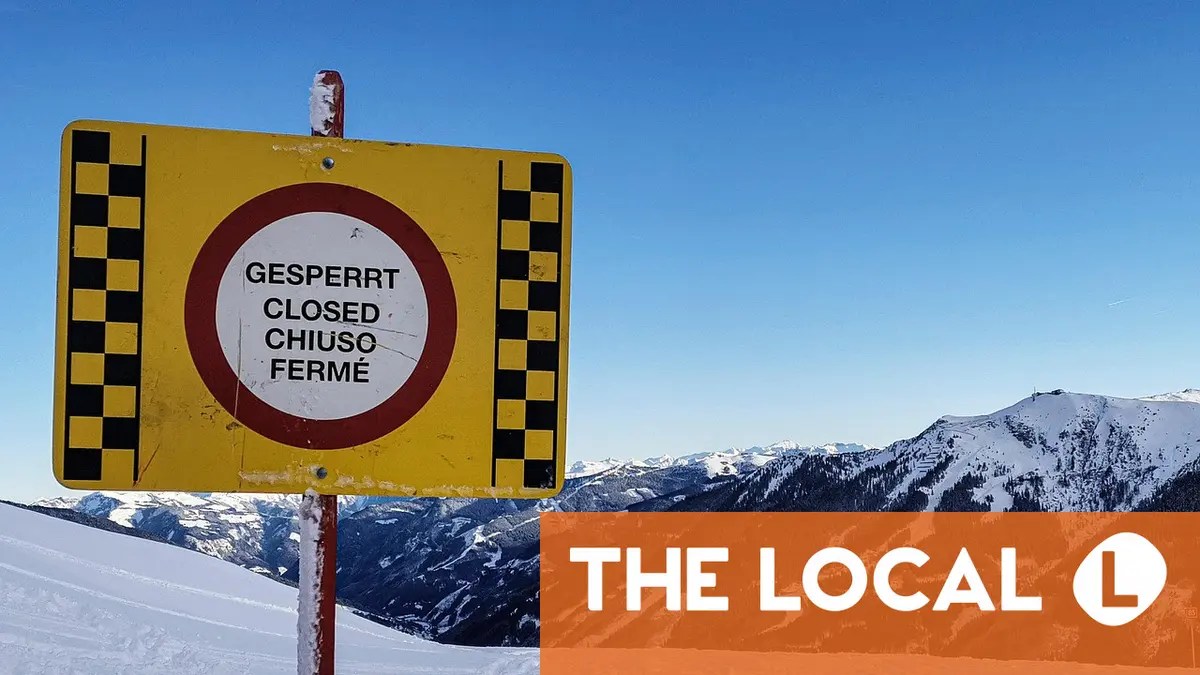
The common-sense advice to all winters-sports enthusiasts is to keep away from unmarked pistes and areas designated as avalanche risks.
These areas are always clearly marked, but you can also do your own homework before you venture out.
The best source of this information is the constantly updated SLF Avalanche Bulletin
Besides giving specific information about risk areas, the bulletin also includes detailed snow maps, including how its depth varies from one area to another.
The Swiss government also gives up to date avalanche information on its own website.


