


For several decades, human development indicators showed a steady, upward curve and UN researchers predicted that by 2030, a high level of development would be enjoyed by the global population.
Those hopes have been dashed in recent years following a period of exceptional crises such as the COVID-19 pandemic – and progress has stalled across all regions of the world.
‘Very real threat’ to progress
The Human Development Report, an annual publication from the UN Development Programme (UNDP), shows that inequalities between rich and poor countries have widened for the fourth year in a row.
Global pressures, such as increasing trade tensions and a worsening debt crisis which limits the ability of governments to invest in public services, are narrowing traditional paths to development.
“This deceleration signals a very real threat to global progress,” said Achim Steiner, UNDP Administrator. “If 2024’s sluggish progress becomes ‘the new normal’, that 2030 milestone could slip by decades – making our world less secure, more divided, and more vulnerable to economic and ecological shocks.”
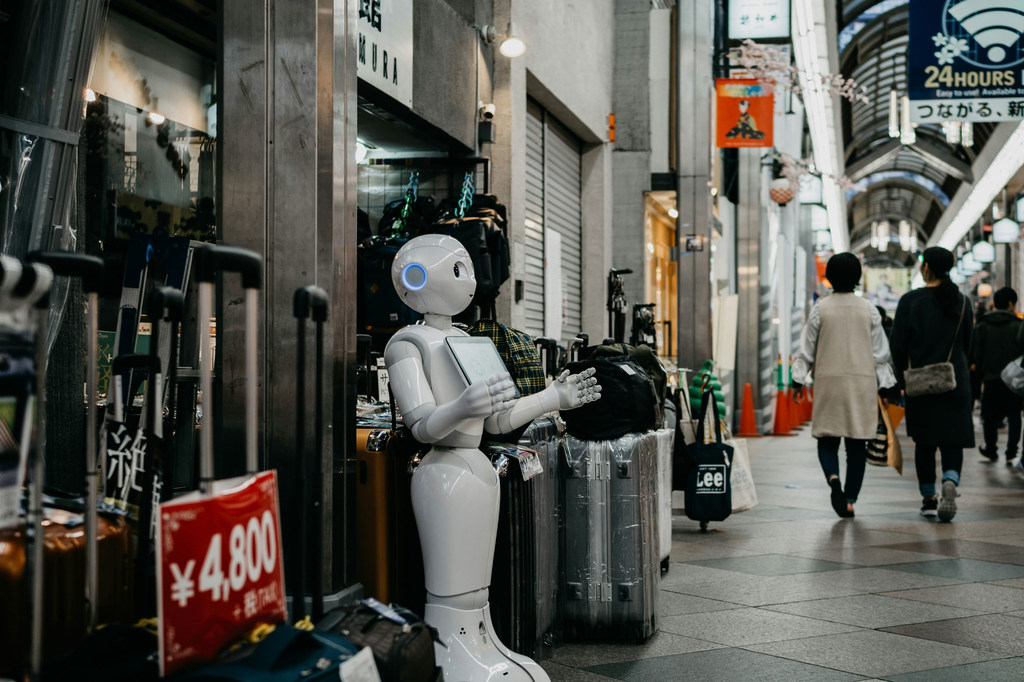
A robot which could carry out tasks assigned to humans stands in a shopping mall in Kyoto, Japan.
Maybe the robots aren’t coming for our jobs after all
Despite the gloomy indicators, the report is strikingly upbeat about the potential of artificial intelligence, noting the breakneck pace at which free or low-cost tools have been embraced by businesses and individuals alike.
UNDP researchers carried out a survey to gauge opinions on AI and discovered that around 60 per cent of respondents expect the technology to positively impact their work and create new opportunities.
Those living in low and medium levels of development were particularly keen: 70 per cent expect AI to increase their productivity, and two thirds anticipate using AI in education, health, or work within the next year.
Action stations
The report’s authors include recommendations for action to make sure that AI is as beneficial as possible, including the modernisation of education and health systems to adequately meet today’s needs – building an economy focused on human collaboration with AI (rather than competition) – putting humans at the heart of AI development, from design to deployment.
“The choices we make in the coming years will define the legacy of this technological transition for human development,” said Pedro Conceição, Director of UNDP’s Human Development Report Office.
“With the right policies and focus on people, AI can be a crucial bridge to new knowledge, skills, and ideas that can empower everyone from farmers to small business owners.”
Ultimately, the report’s message is that the impact of AI is hard to predict. Rather than being an autonomous force, it is a reflection and amplifier of the values and inequalities of the societies that shape it.
To avoid what it calls “development disappointment”, UNDP urges stronger global cooperation on AI governance, alignment between private innovation and public goals, and a renewed commitment to human dignity, equity, and sustainability.
“The 2025 HDR is not a report about technology,” writes Mr. Steiner in the foreword. “It is a report about people – and our ability to reinvent ourselves in the face of profound change.”
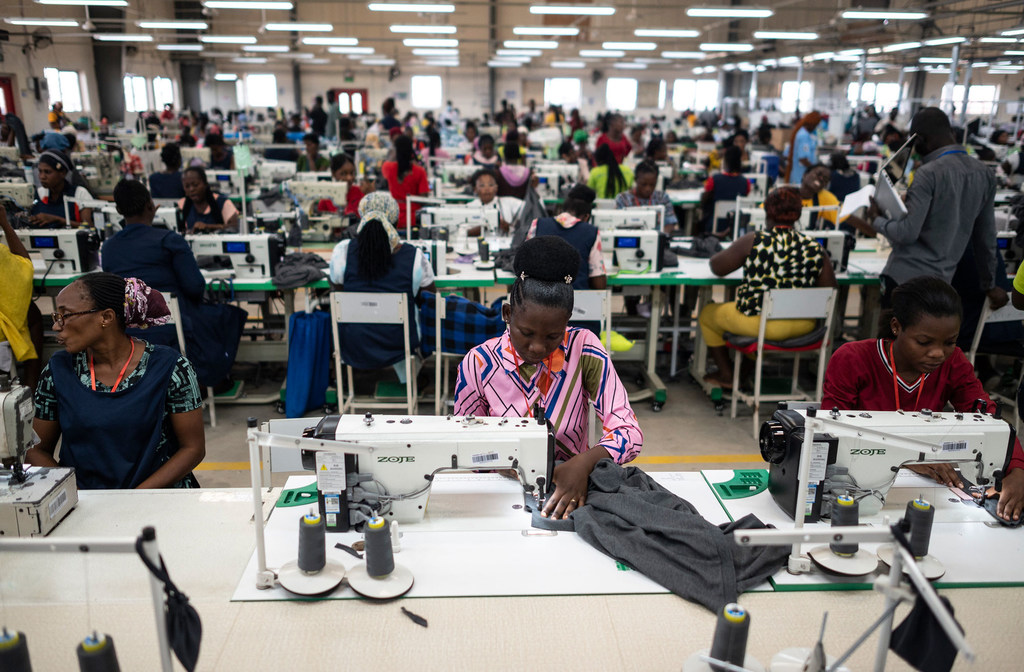
Workers sew fabric at an apparel factory in Ghana.


