


Swiss labour market would be short of tens of thousands of workers if anti-immigration proposal passes; electricity prices in Switzerland could soar due to war in Iran; and more news in our roundup this Monday.
Switzerland could be short of tens of thousands of workers if anti-immigration vote passes
A new study conducted by Demografik research institute examined the extent of a workforce shortage in coming years and decades if the ‘No to 10 million’ initiative is approved by Swiss voters on June 14th.
It found that Switzerland’s labour supply “would drop drastically”, especially if the low birth and high retirement rates continue.
Several possible scenarios were analysed, with the ‘best-case’ one showing a shortage of 87,000 workers, while under the most extreme one, 245,000 jobs would need to be filled.
READ MORE: How Switzerland’s hard-right wants to compensate for fewer immigrants
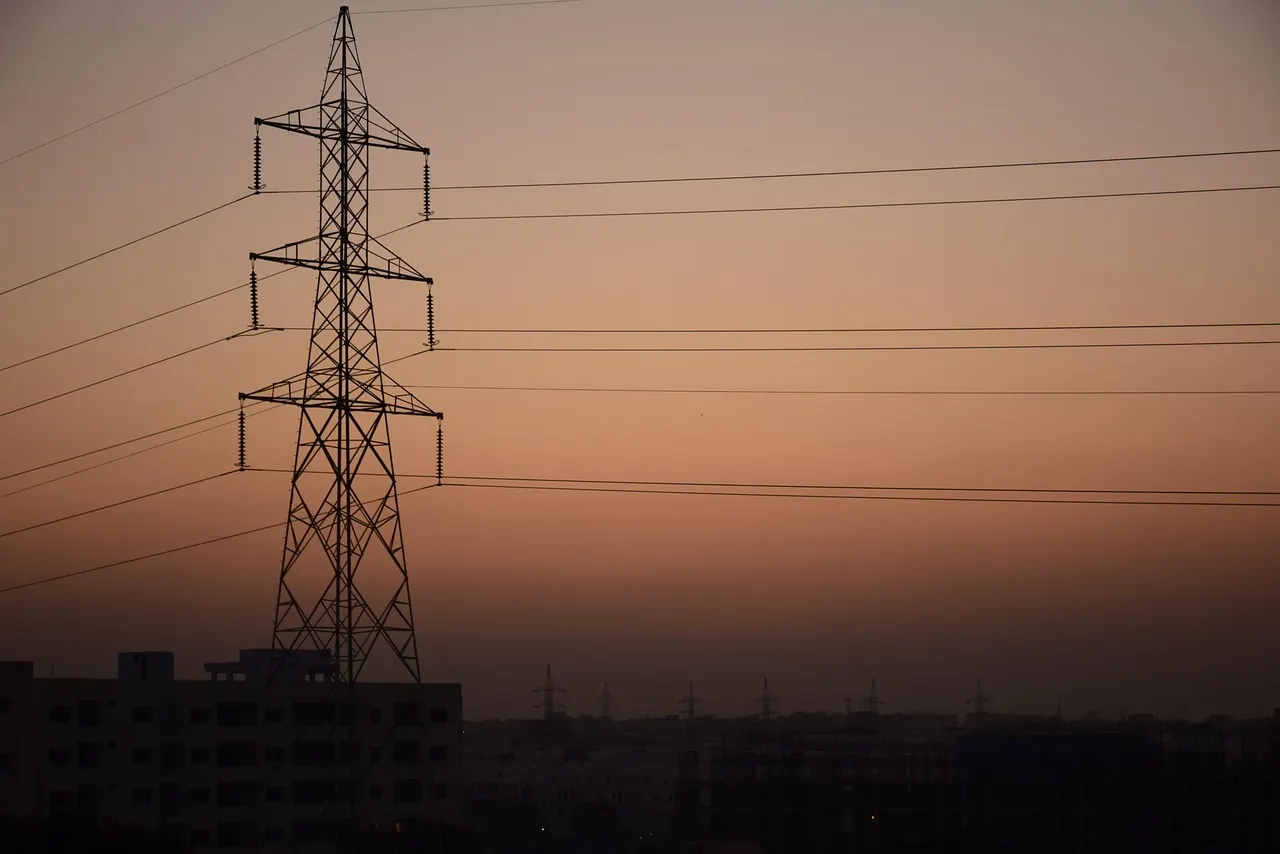
Electricity prices in Switzerland could soar due to war in Iran
The Middle East conflict has already caused prices of fuel – both for vehicles and airplanes – to go significantly up.
But if the blockade of the Strait of Hormuz were to continue, Switzerland could experience an electricity shortage this winter due to insufficient deliveries of liquefied gas, the Federal Electricity Commission (Elcom) warned on Friday.
In an “extreme scenario,” a gas shortage could affect the stability of electricity supply in Europe and Switzerland, according to Elcom.
That’s because European gas storage levels – on which Switzerland depends – are currently low and there is no certainty whether, or when, they will be replenished.
New details emerge about Switzerland’s middle class
More than half of the population – 55.2 percent to be exact – belong to the middle class, according to the latest data the Federal Statistical Office (FSO) published on Friday.
The income range for people included in this category is very broad: individuals with incomes ranging from 4,228 to 9,061 francs a month for single people, and from 8,880 to 19,028 francs for couples with two children under 14.
A record-high number of faulty product recalls registered in Switzerland
The number of recalls has risen by 50 percent between 2022 and 2025, according to the Federal Office for Food Safety (BLV).
So far in 2026, 90 products were already withdrawn from the market, representing half of last year’s total.
Among them were potentially non-sterile eye gel, mushrooms contaminated with bacteria, and kettles with flimsy handles presenting a risk of severe burns.
The reason for the spike in the number of recalls is the increasing number of online purchases where products are sometimes of questionable quality, or downright dangerous, the BLV said.
If you have any questions about life in Switzerland, ideas for articles or news tips for The Local, please get in touch with us at news@thelocal.ch


