


The record-breaking heatwave and subsequent drought gripping Switzerland in recent weeks are impacting many aspects of life in the country – including food prices.
The country’s population, environment and infrastructure have been significantly affected by temperatures reaching 39C in Basel and mid-30s in other regions of Switzerland.
By the end of June, extreme heat had caused a disproportionately high number of deaths among people over 65 – 15 percent more than a ‘normal’ level expected among this age group for this time of year.
READ MORE: How the heatwave has hit daily life in Switzerland
In terms of damages to infrastructure, both the country’s motorways and trains are, quite literally, crumbling under the heat.
Older roads that are built on concrete slabs expand in high temperatures, leading to cracks.
As far as railway infrastructure is concerned, the steel from which the tracks are made can heat up to over 50C and deform.
Extreme temperatures can also cause sudden buckling, a lateral movement of more than 50 millimetres in a rail.
Persistent drought, as is currently the case across Switzerland, is affecting agriculture as well.
Crops require regular and abundant irrigation during the summer, and water is becoming scarce – and therefore rationed – in many regions.
And this is where higher food prices come in.
‘Tense situation’
According to a spokesperson for Coop, quoted in Swiss media, “the difficulties encountered in the fields could also impact consumers’ wallets.”
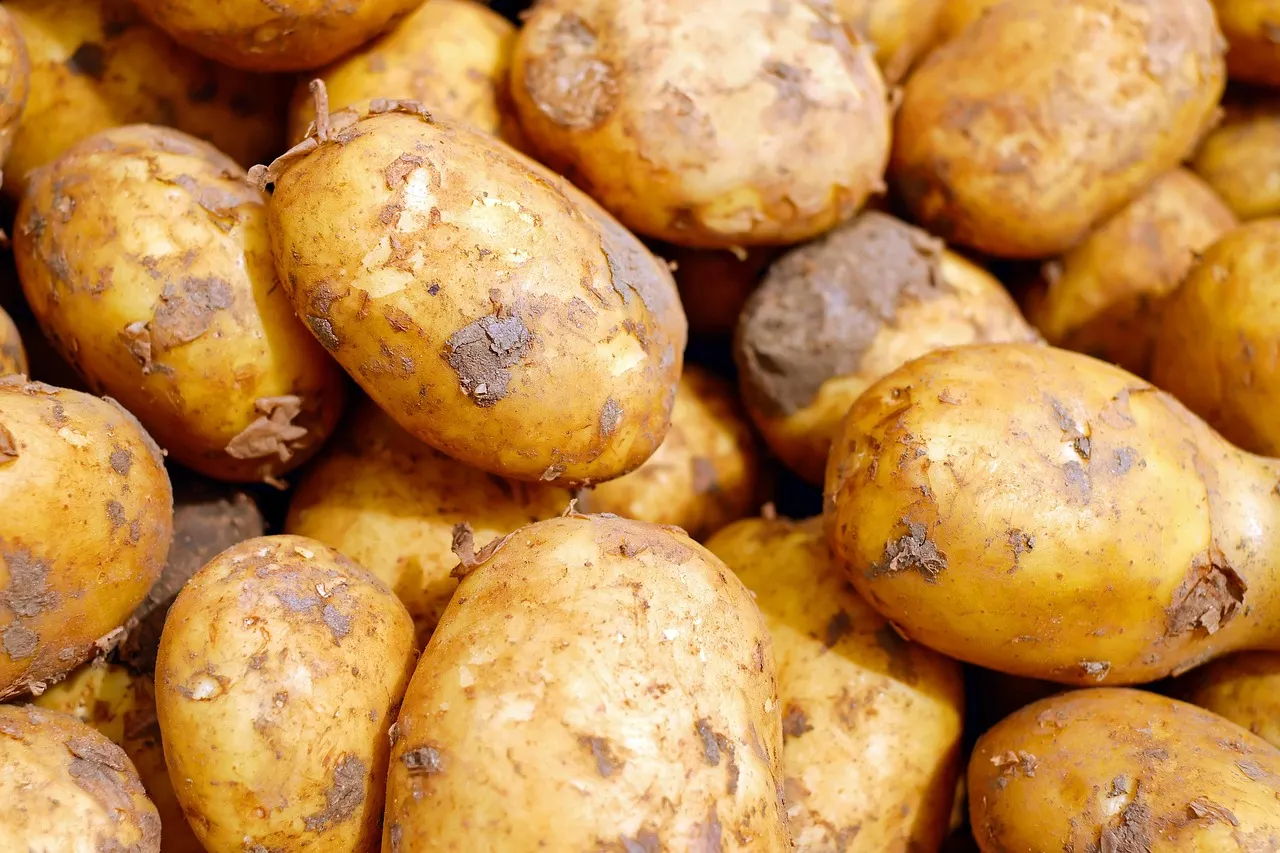
That’s because open-field vegetable crops – particularly potatoes, lettuce, cauliflower, broccoli, and fennel – are the first to suffer from the exceptionally high temperatures.
“The situation is currently tense,” a Migros spokesperson pointed out.
Therefore, the effects of the heatwave are expected to lead to price increases in the coming weeks, though the exact figures are not yet known.
However, she qualified this assessment by specifying that “it is impossible at the moment” to accurately evaluate the quality of the harvest before August or September.
One factor, however, is working in farmers’ (and consumers’) favour: blight and other fungal diseases that could affect crops have remained relatively limited so far.
Could there be drought-related vegetable shortages?
Both Coop and Migros have contingency plans in place in case this scenario becomes a reality: though both supermarket chains privilege locally-grown produce, they would turn to imports if the weather situation in Switzerland doesn’t improve quickly.
However, since much of Europe is in the throes of the heatwave and drought as well, retailers may have to import vegetables from farther away.
READ ALSO: ‘High danger’ – How bad is the drought situation in Switzerland right now?


