


The UN Secretary-General has welcomed the extension, calling it “an important step toward de-escalation and creating critical space for diplomacy and confidence-building,” while urging all sides to refrain from actions that could undermine the truce and to engage constructively toward a lasting settlement.
Yet even as diplomatic efforts continue, security incidents in and around the Strait of Hormuz – one of the world’s most critical maritime chokepoints – underscore the fragility of the situation.
Reports of vessels being fired upon or seized by both Iranian and US forces highlight ongoing risks to shipping through the narrow waterway, which carries roughly one-fifth of the world’s oil supply and a significant share of global fertilizer inputs.
Maritime insurance costs have surged, vessel traffic has dropped sharply since late February, and nearly 20,000 seafarers remain stranded amid the uncertainty.
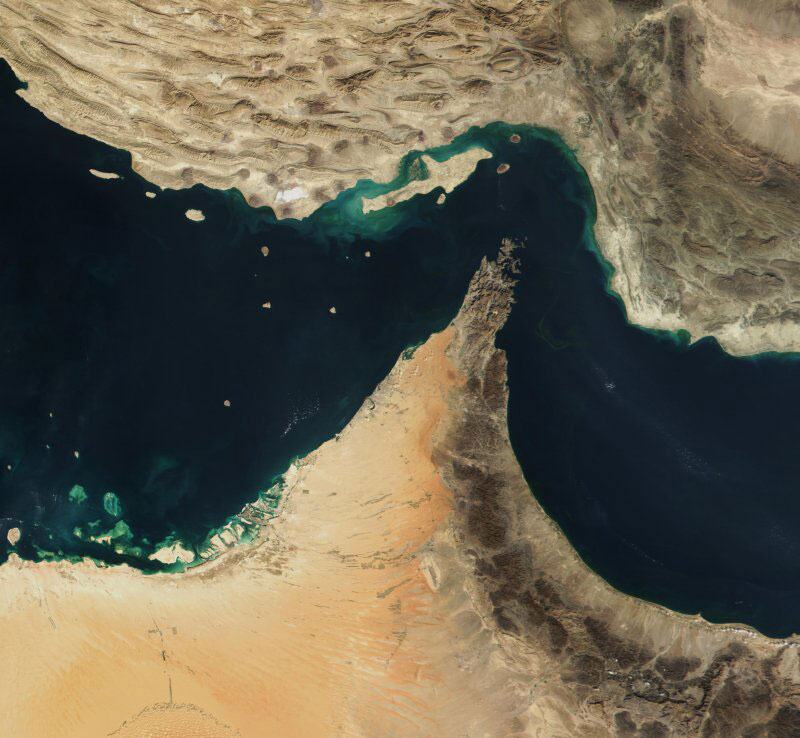
The Strait of Hormuz is a narrow but vital shipping route linking the Persian Gulf to the Gulf of Oman and the wider Arabian Sea. It lies between Iran to the north and Oman and UAE to the south.
Shockwaves beyond the region
The disruption is triggering what UN agencies describe as a widening humanitarian and economic shock far beyond the Middle East.
Rising oil prices and reduced maritime traffic are driving up transport, electricity and agricultural input costs across import-dependent economies in Asia – including Pakistan, Sri Lanka, Bangladesh, Nepal and the Philippines – with direct consequences for aid delivery and access to essential services.
These pressures are layering onto pre-existing vulnerabilities – from high food insecurity to economic fragility – leaving millions of households and already overstretched response systems with little capacity to absorb further shocks.
Across Asia, an estimated 45.5 million people are already in need of humanitarian assistance, with response plans targeting 27.2 million people and requiring $3.6 billion in funding.
Food security risks mounting
One of the most immediate concerns is the impact on food systems.
Up to one third of global trade in fertilizer raw materials passes through the Strait of Hormuz, and disruptions to ammonia and nitrogen shipments are beginning to constrain supply at a critical time.
In Bangladesh, the shutdown of several state-run fertilizer factories has disrupted domestic production during the winter rice season, creating immediate pressure for farmers.
Higher fuel and transport costs are also feeding into food prices. In Nepal, diesel – the primary fuel for lorries and heavy machinery – has risen sharply, pushing up costs across the economy.
If the crisis persists, UN estimates warn that 9.1 million additional people in Asia could face acute food insecurity.
Worries for next planting season
The timing is especially concerning, coinciding with key crop planting windows.
Farmers facing higher costs and uncertain access to fertilizers may reduce input use, plant less or shift crops – decisions that could lower yields and tighten food supplies in the months ahead.
The UN Food and Agriculture Organization (FAO) has warned that delays in key inputs risk disrupting planting cycles, with impacts extending into the next harvest season.
“If we don’t have the inputs in the time that is needed…producers will have to produce with less inputs…and therefore they could have lower yields,” the agency’s Chief Economist Máximo Torero cautioned recently.
Humanitarian operations under pressure
For humanitarian agencies, the crisis is already translating into operational constraints.
Rising fuel costs, disrupted shipping routes and higher insurance premiums are making it more expensive and difficult to deliver assistance – particularly in hard-to-reach and landlocked settings.
In several countries, response plans were already underfunded before the escalation, leaving little room to absorb rising operational costs.
In Afghanistan, logistics costs have risen by around 20 per cent, and up to half of humanitarian commodities risk pipeline breaks. These pressures come as return movements from neighbouring countries continue and humanitarian needs remain acute.
In Myanmar, where 90 per cent of fuel is imported, supply disruptions have led to rationing measures, including vehicle restrictions, complicating the delivery of aid in conflict- and earthquake-affected areas where access was already fragile.
In Bangladesh, fuel-sale limits and scheduled blackouts are affecting energy access and service continuity, while higher freight costs are disrupting supply chains. Across the region, humanitarian actors report reduced operational flexibility and growing difficulty sustaining assistance at scale.
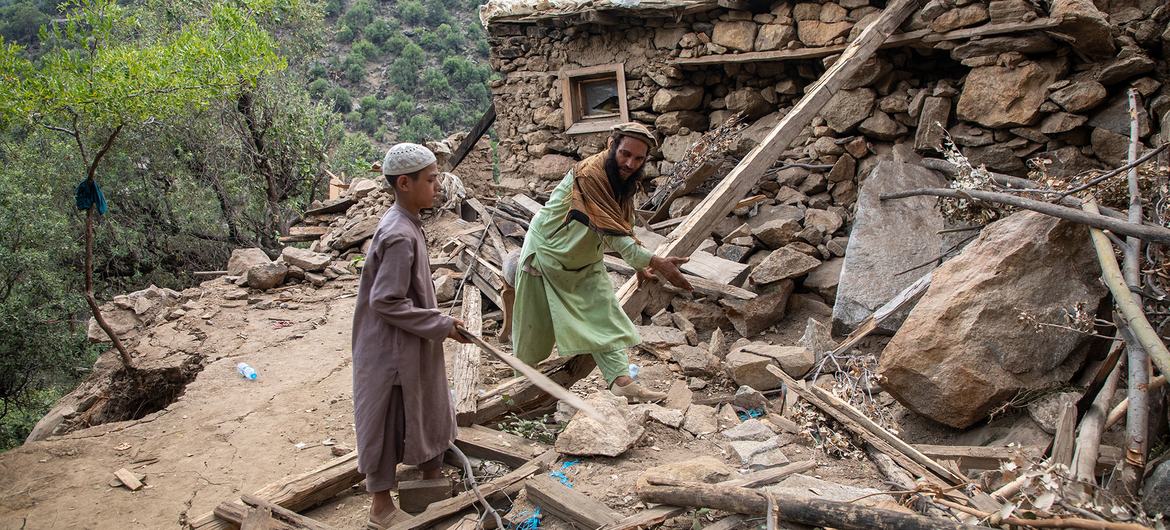
Houses destroyed in an earthquake that struck eastern Afghanistan in August 2025. More than 2,200 people lost their lives and several thousands more were injured.
Squeezed from both sides
The crisis is affecting both sides of the humanitarian equation: needs are rising, while the cost of reaching people is increasing.
Unless additional and flexible funding is mobilised, UN agencies and humanitarian partners warn they may be forced to scale back assistance just as demand accelerates.
The ceasefire extension this week offers a chance to ease tensions. But with uncertainty persisting in the Strait of Hormuz and its effects rippling through supply chains, food systems and aid operations, the risk remains that a temporary shock could metastasise into a deeper and prolonged humanitarian crisis.


