


Here’s everything you need to know about the African swine fever disease found in Spain recently, from whether it affects humans to restrictions on outdoor activities and the impact on the pork industry.
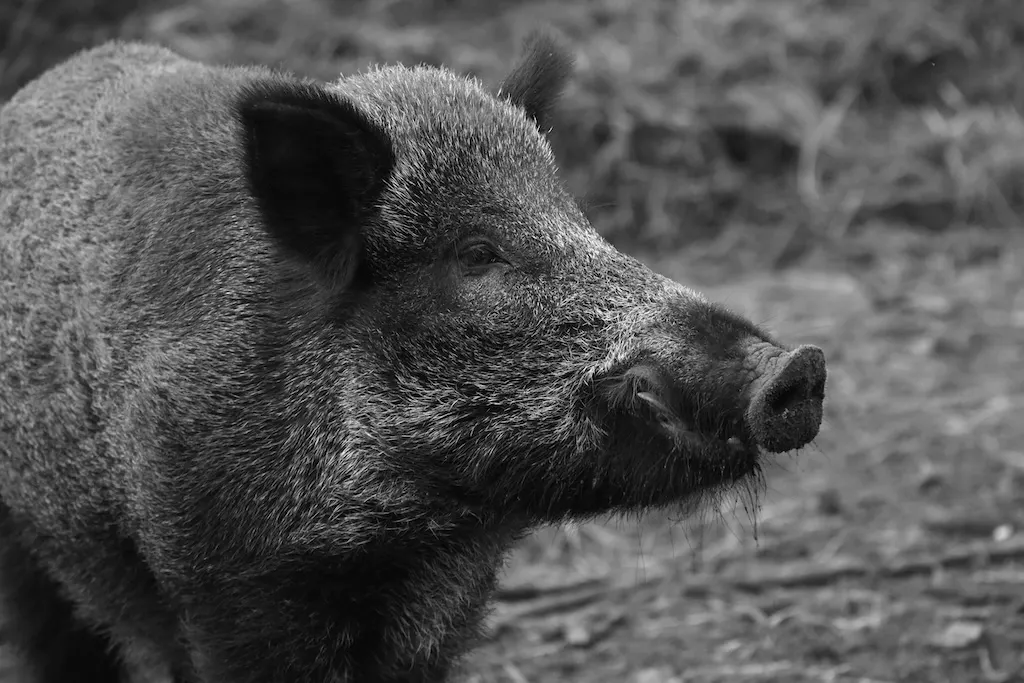
The African swine fever virus has returned to Spain three decades after its eradication. Several wild boars (jabalíes in Spanish) have been found dead, but so far it has not affected any domestic pigs found in farms.
Spain on Monday deployed more than 100 troops to help contain an outbreak of the virus outside Barcelona that has sparked fears for the country’s important pork export industry. They are joining 300 Catalan regional officials deployed in the area.
The 117 officers from the army’s emergencies unit are to “work with drones, disinfect the area, search and remove animals”, the Catalan regional government’s agriculture minister Oscar Ordeig told a news conference.
READ ALSO: Spain deploys army after African swine fever outbreak
Q: Where has the disease been found in Spain?
A: Authorities have discovered several dead wild boars in the Collserola mountain range, which lies within the municipality of Barcelona. So far it doesn’t look like it’s spread beyond this area, but many precautions have been put in place to stop it.
Q: How did the disease get into Spain?
A: Regional Minister Òscar Ordeig has said that the African swine fever could have entered Spain through contaminated meat transported by road and subsequently consumed by wild boar, although he stressed that this hypothesis has not yet been verified. Other than that, we don’t really know how or why it’s come back.
Advertisement
Q: Can it infect humans?
A: No. African swine fever is a highly contagious viral disease that only affects domestic pigs and wild boars. It is not transmitted to humans, either through contact or by consuming meat. There is no health risk to the population.
Q: How does this affect me?
A: Generally, this won’t affect you, unless you work in the meat industry or you live in Barcelona and the surrounding areas. Municipalities such as Sabadell, Sant Quirze del Vallès, Polinyà, Santa Perpètua de Mogoda, Montcada i Reixac, Ripollet, Barberà del Vallès, Badia del Vallès, Cerdanyola del Vallès, Sant Cugat del Vallès have imposed restrictions over a 6km radius.
More restrictions are in place across a further 20-kilometre radius encompasses 64 areas including Vallès Occidental, Vallès Oriental, Barcelonès, Baix Llobregat, Bages, Anoia, Alt Penedès, and Maresme.
In these areas outdoor activities such as hiking and cycling have been prohibited. The Collserola Natural Park has been closed as have several other natural spaces in the area.
Advertisement
Q: Will this increase the price of ham and other pork products in Spain?
A: Fortunately not. According to experts, consumer prices of ham and other similar products are likely to stay roughly the same or even decrease. In the last two months, since September, the price of pork had already fallen by nearly 10 percent.
This is good news for many Spaniards who love jamón in particular and eat pork products regularly. Pork accounts for 42 percent of all meat consumed in homes here, according to the latest data from the Consumption Panel of the Ministry of Agriculture, Fisheries and Food. In fact Spaniards are one of the highest consumers of pork products in the world.
Q: How does this affect the Spanish pork market abroad?
A: The situation is already having an impact on the exportation of pork products to different countries. Taiwan has immediately suspended the import of pork and pork products from Spain, while Japan and Mexico have completely halted their imports.
China has decided to temporarily block pork imports from twelve companies in the province of Barcelona. The United Kingdom meanwhile has suspended trade in Spanish pork products, which includes both fresh meat and processed products, such as sausages. The US and South Korea have also opted to apply restrictions only to the area affected by the outbreak.


