


Spain is all about food and sharing it with others, but while most visitors here focus on paella and tapas in touristy restaurants, there are many unique food and drink experiences that are often overlooked but are truly memorable.
Eating paella by the Albufera lagoon in Valencia
Paella is a quintessential meal in Spain and no trip here can be complete without trying it. But, it’s important to note that while you may be able to get paella in most regions across the country, it’s not necessarily a good idea to try it just anywhere. Valencia is the home of paella and one of the best regions in which to sample it. One of the top paella experiences is to try it in the place where it was invented – on the shores of the Albuferra Lagoon, just outside the capital. There are many specialised rice restaurants here in villages such as El Palmar where you can sit watching the water and the rice fields as you dine.
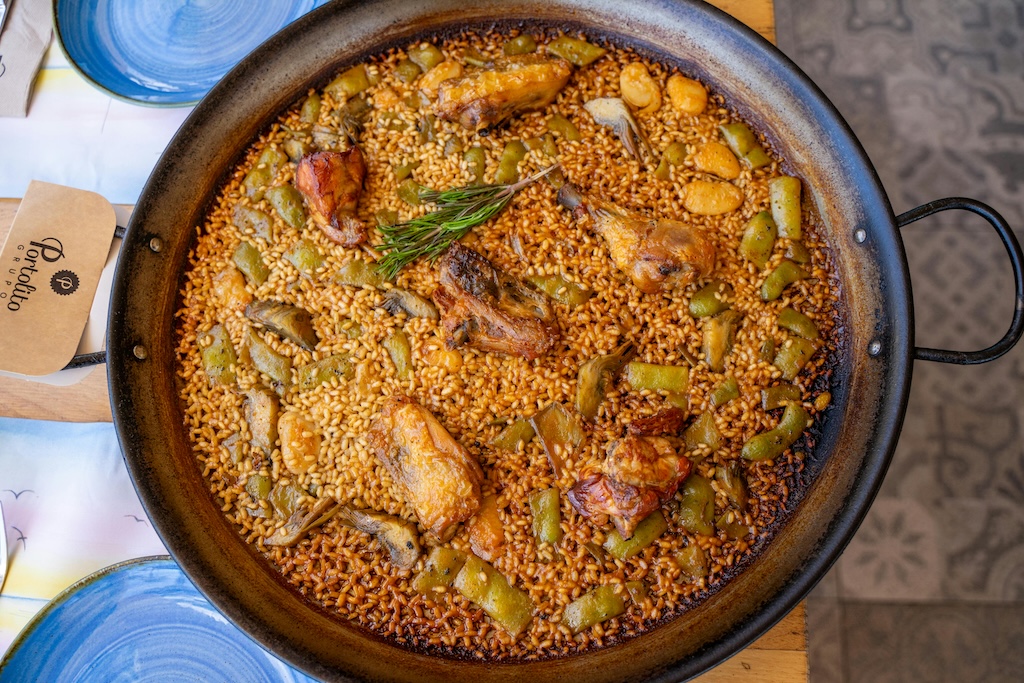
Try the paella Valenciana. Photo by Wijs (Wise) / Pexels
Being plied with plates of free tapas in Granada
There are only a handful of places left in Spain, where tapas are still served free when you buy a drink and the most famous of these is Granada. Almost every bar or restaurant in the city operates this way, the tapa dish usually getting better and better with each successive drink you order. Some of the most typical dishes from here include berenjenas con miel (breaded fried aubergines in molasses), pescaíto frito (small battered fried fish) and migas (fried bread crumbs or flour with peppers, garlic and pieces of ham, pork or chorizo). There are so many different tapa dishes to try here, you can’t possibly sample them all, but you can try.
READ ALSO: Where can you get free tapas in Spain?
Advertisement
Going on a pintxo crawl in San Sebastián
If it’s all about tapas in Granada, then it’s all about pintxos in San Sebastián and the Basque Country. Pintxos are like meals in miniature and can be eaten in just two or three bites, making them a lot smaller than tapas dishes and often featuring more ingredients too. While they’re served all over the Basque Country, San Sebastián is one of the best places to try them, home to many award-winning bars. Pintxos, however are not free and typically cost between €2 and €5, depending on whether they’re made to order or picked up from the bar.
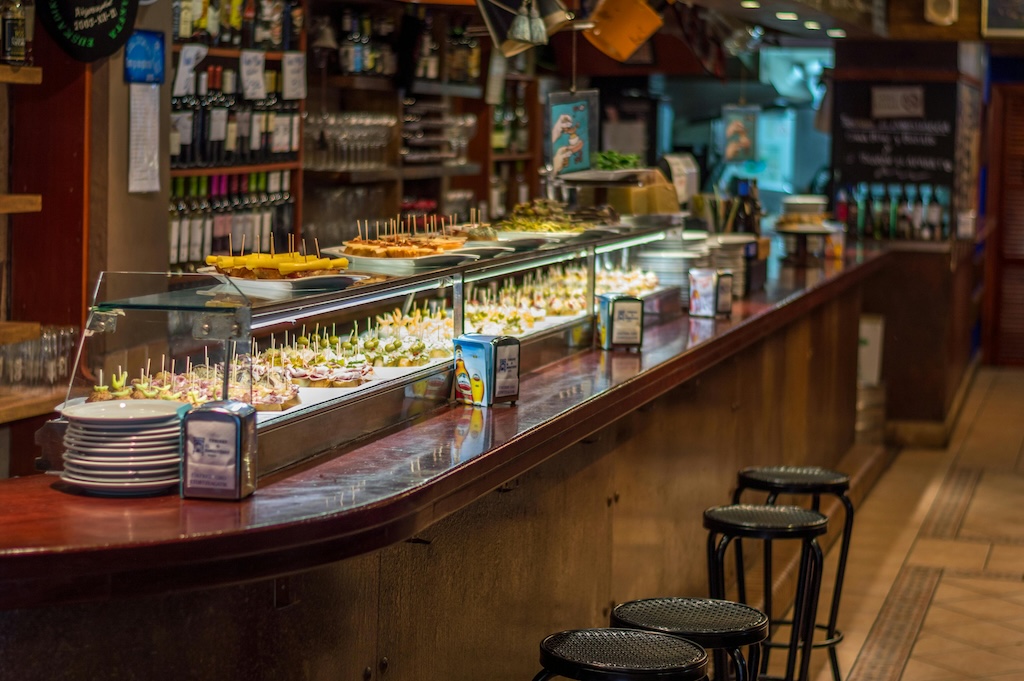
Pintxos lined up along the bar. Photo: Hert Niks / Pexels
Sampling jamón in Extremadura
Spaniards from every region in Spain love jamón and you’ll find it in almost any tapas bar across the country. Ham is taken very seriously here and there are different grades, ages and types. The top jamón is the jamón Ibérico bellota, made only from Iberian pig breeds fed on acorns from the dehesa oak forests in Extremadura. To truly understand and appreciate this much-loved snack, head to Extremadura to sample it at the source.
READ ALSO: Ten ‘hamazing’ facts you really need to know about Spanish jamón
Advertisement
Attending a Calçotada in Catalonia
Calçotadas are essentially parties dedicated to the calçot, a leek or spring onion like vegetable which comes into season in winter. During this time, families in Catalonia gather outdoors for big barbecues grilling calçots over open flames, as well as lots and lots of types of meat from sausages and lamb to chorizo and black pudding. But it’s the onions themselves which are the star of the show. They’re typically eaten while wearing a bib and sometimes even gloves, given their messy nature. The idea is to peel the outer charred layers before dipping them into a romesco sauce of almonds, red peppers, olive oil and garlic and then simply lowering them into your mouth. Many restaurants across the region also serve special calçotada menus during this time.
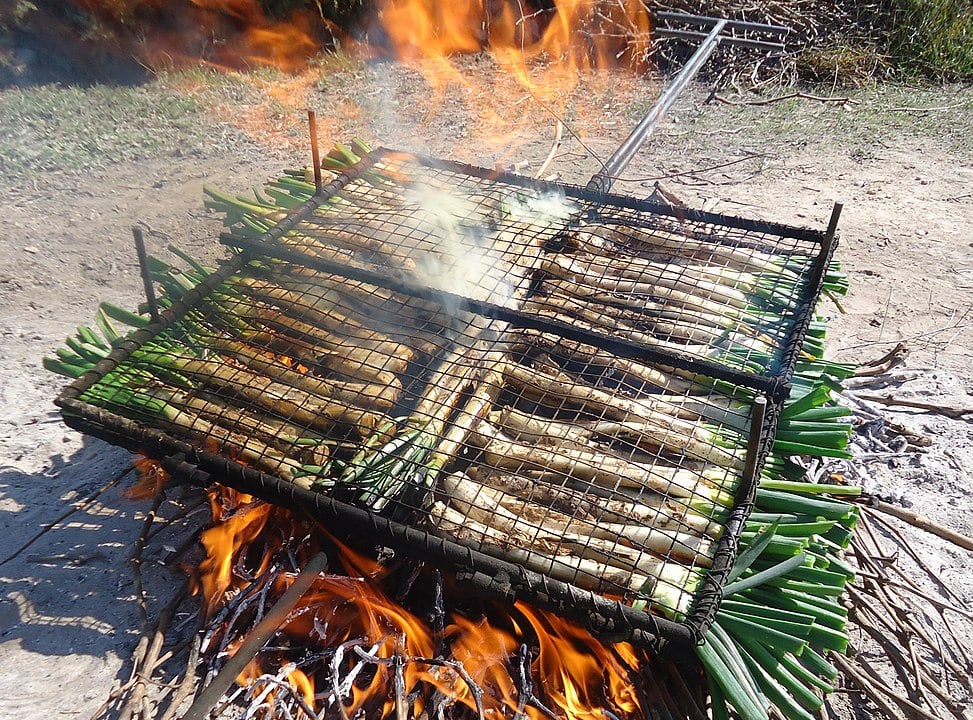
When Catalans gather to eat calçots, they have a ‘calçotada‘. Photo: Silvia Martín/Wikipedia (CC BY 2.0)
Trying the best tortilla de patatas in Galicia
Great tortillas or Spanish omlettes can be found in bars all over the country, but there’s just something special about the way the Galicians prepare them. Tortillas here are always slightly undercooked, giving the centre that oozy, gooey texture. In 2024, the best Spanish tortilla award went to O Cabo restaurant in A Coruña. So now you know where to try the best, the only question is do you like or tortilla with or without onion?
READ ALSO: Spain’s top ten heartiest tapas to enjoy when it’s cold outside
Advertisement
Eating pulpo a feira in O Grove
You can’t get more classic Galician than a plate of pulpo a feira, also known as pulpo a la gallega. It’s served is on a wooden dish with a thin layer of potatoes and then pieces of boiled octopus sprinkled with paprika. The dish served in bars and restaurants throughout the region, but one of the best places to try it is the seafood capital of Galicia – the small town of O Grove. The town itself sits on a peninsula looking out towards the Atlantic Islands National Park near to the city of Pontevedra in the area of Rías Baixas. It even hosts a seafood festival every October.
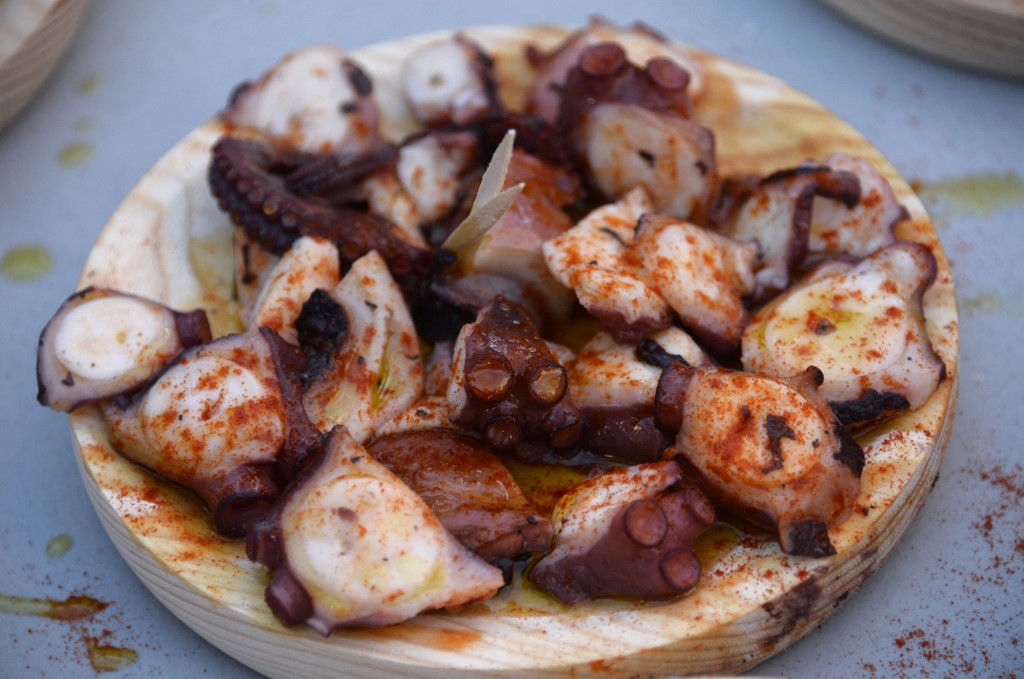
Pulpo a la gallega, delicious octopus with potatoes, olive oil, paprika and rock salt. (Photo by MIGUEL RIOPA / AFP)
Drinking in a cider house on Calle Gascona in Oviedo
Sidra or cider is a traditional drink from northern Spain and most of it is produced in Asturias and the Basque Country. There’s nothing like trying it at one of the lively sidrerias or chigres on Calle Gascona in Oviedo. Asturian cider is tart, dry and slightly cloudy. The cider is poured from a great height into a thin glass so that it creates bubbles and a slight fizz when it hits the glass and only a couple of inches are poured at once so you can down it in one.
Eating espetos de sardinas on the beaches of Málaga
When summer arrives malagueños look forward to nothing more than balmy evenings on the beaches tucking into a skewer of sardines barbecued right on the beach. They’re usually eaten at chringuitos (beach bars) and cooked in small boats filled with sand and hot charcoals.
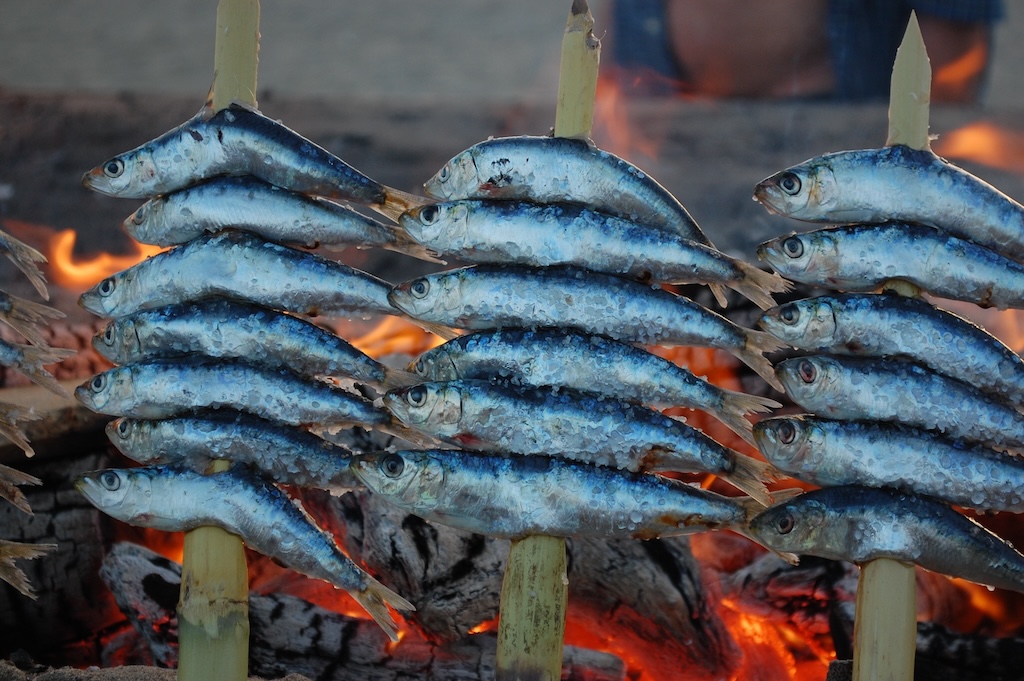
Try some espetos de sardinas in Málaga. Photo: Pxhere
Going wine tasting in La Rioja
Almost all regions in Spain have their own wine-producing areas, from the Penedès in Catalonia to Ribera del Duero in Castilla y Leon, but the most famous of all and the largest producer of Spanish wine is La Rioja. In fact much of Spain’s smallest region is given over to wine production and there are hundreds of bodegas (wineries) scattered across the area. The town of Haro is a good place to start, home to several well known historic wineries where you can go for tours and tastings.
Advertisement
Sipping on a glass of sherry in the tabancos of Jerez
And from full bodied reds in the north to white fortified wines in the south. Spain’s Sherry Triangle sits in the province of Cádiz between the cities of Jerez de la Frontera, Sanlúcar de Barrameda and El Puerto de Santa Maria. In Jerez itself there are lots of sherry bodegas where you can learn all about the process, but one of the most rewarding experiencing is simply sitting in the tabancos (sherry bars) with the locals and sipping on a glass of fino or manzanilla and perhaps even getting treated to a flamenco performance.


