


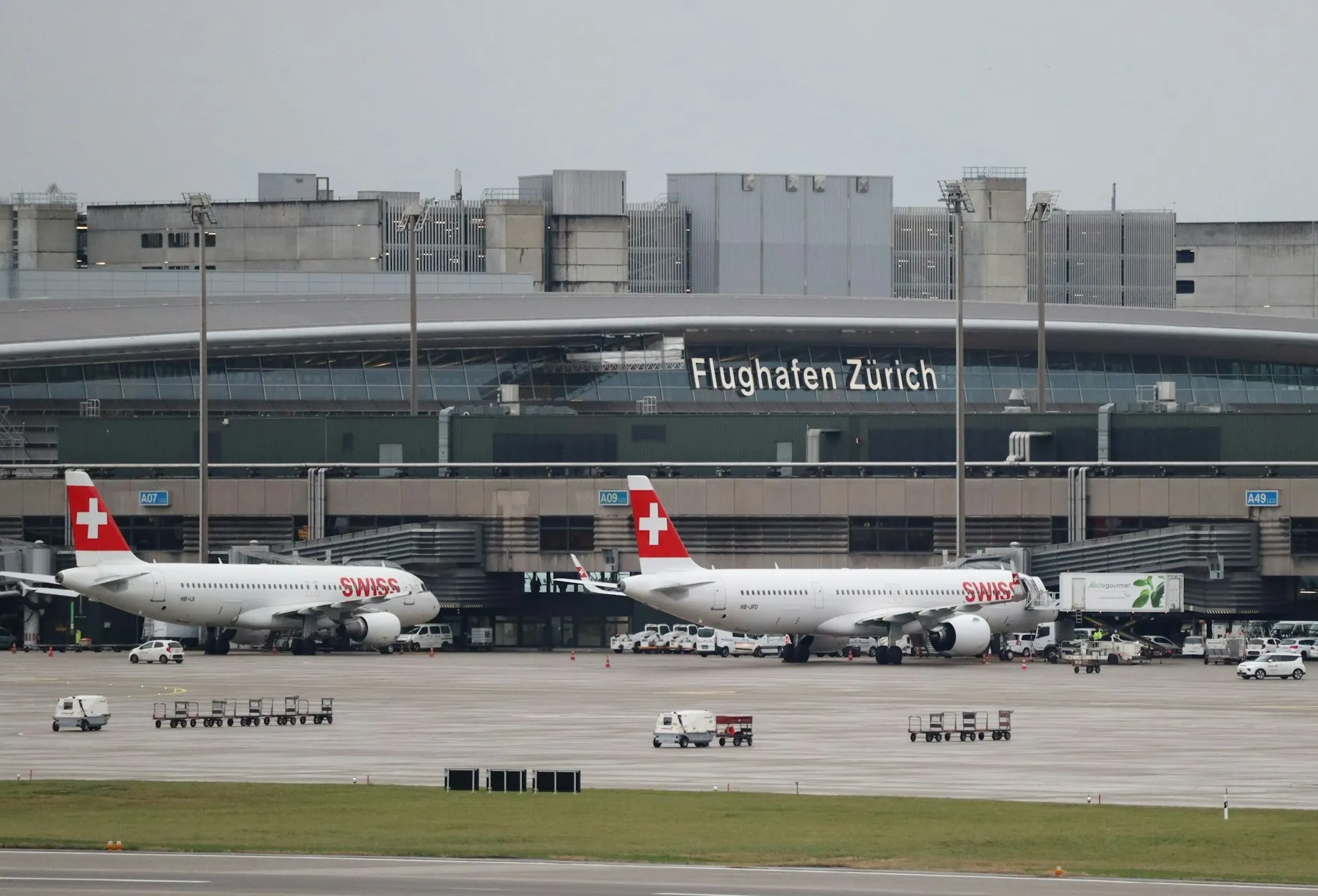
The European Union’s Entry/Exit System (EES), which will change border control procedures for third-country nationals, is set to launch at Zurich airport on Monday.
Under the new system, third-country nationals entering Switzerland will have their biometric data digitally registered, rather than having their passports stamped. Travellers will scan their passports and fingerprints and have a photo of their faces taken.
The new procedure is intended to help Schengen Area countries track compliance with the 90-day visa-free program and “enhance security standards,” according to a press release from Zurich airport.
The system is still being phased in, meaning that until April 2026, airports may still have varying procedures and standards.
The data collected will be stored by the EU for three years and will be accessible to all countries in the Schengen Area to help those countries monitor entries and exits. If an individual re-enters the country within that three-years window, they still must re-register their biometric data.
Travellers from Switzerland and EU/EFTA countries will not be affected. International residents of Switzerland and other EU countries are also exempt from EES.
READ ALSO: What you need to know about the launch of EES checks at Swiss airports
Advertisement
Travellers who are citizens of Switzerland, the EU or EFTA and have a valid biometric passport will continue to be able to use the automated border control for entry and exit. The same goes for holders of Swiss residence or settlement permits (B or C permits).
The scheme has been in place at Geneva airport and Basel EuroAirport since October 12th — the same date as it was implemented in the EU.
In Zurich airport’s Dock B and passport control hall, kiosks will be available for registering biometric data. Third-country nationals can also choose to register at a manned counter. Pre-registration before travel is not possible, because the EU requires that biometric data must be verified directly upon entry.
Because the new process is more time consuming, third-country nationals who do not hold a residence permit in Switzerland or another Schengen Area country should expect longer waiting times.


