

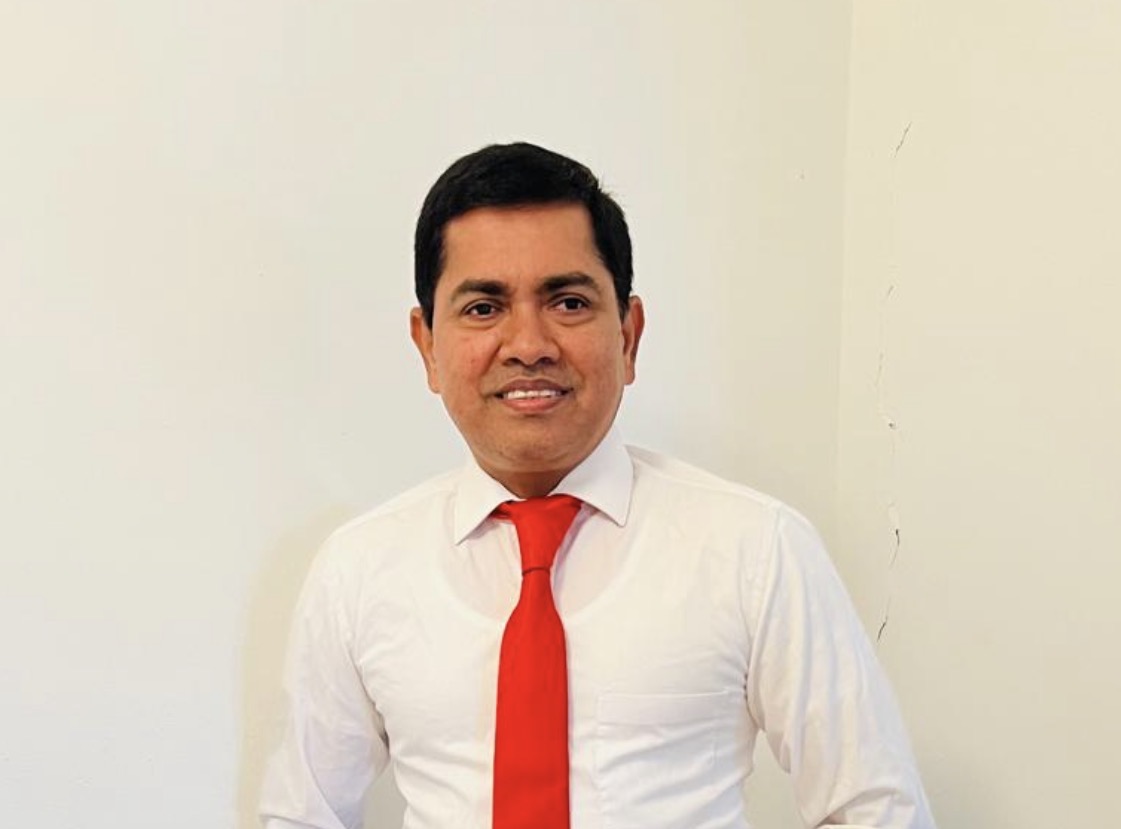
Dr. Mohamed Shareef Asees – PhD in Global Studies; MA in International Relations; BA in Political Science
A Crisis at the Crossroads
The Middle East stands at a critical juncture. It has now been 25 days since U.S. and Israeli strikes hit Iranian territory, leaving behind destruction, chaos, and countless lives lost. While the U.S. has announced temporary pauses and spoken of “constructive talks,” Iran has rejected unilateral ceasefire offers. From Tehran’s perspective, this is not political posturing, it is a matter of defending sovereignty, protecting citizens, and asserting its right to exist without the constant threat of foreign attacks.
Iran did not start this conflict, yet it faces mounting pressure to reduce its nuclear program while under attack. Many see such demands as unfair and unrealistic. The ongoing crisis makes one thing painfully clear: war alone cannot produce peace. Only careful negotiation, guided by trusted third parties, can prevent further escalation and offer a real chance at stability.
The impact of this conflict reaches far beyond the battlefield. Oil prices are rising, trade routes are disrupted, and regional instability threatens to spill across borders. Markets wobble under uncertainty, humanitarian agencies brace for waves of displacement, and the world feels the tremors of a conflict it cannot ignore. The stakes are global, and the need for credible, impartial mediation has never been more urgent.
Why Mediation Matters
Direct confrontation has so far produced nothing but destruction and fear. History shows that when trust is low, direct negotiations rarely succeed. Third-party mediators provide a safe space for dialogue, where parties can discuss concerns openly, explore compromises, and gradually rebuild confidence. They prevent misunderstandings from spiraling into further violence and create the conditions for constructive talks.
Past examples illustrate the power of discreet diplomacy. Oman quietly facilitated early nuclear discussions between Iran and the United States, Norway brokered peace in Sri Lanka, and Switzerland has served as a neutral intermediary for humanitarian negotiations. These cases show that the most effective diplomacy often happens behind the scenes, allowing trust to grow before any public announcement. Mediation is not about imposing solutions, it is about creating a platform where dialogue can take root.
Who Could Mediate?
Several countries have offered to mediate, each with unique strengths and limitations. Oman has built a reputation for discreet and trustworthy diplomacy. It has previously mediated between Iran and the U.S., relying on neutrality rather than power. Its ability to act as a confidential bridge is invaluable, especially when direct talks have broken down. Oman’s main limitation, however, is its limited global influence, which may require support from larger powers to ensure any agreements are respected.
Turkey, geographically and culturally close to the conflict, is another potential mediator. Its experience in conflicts in Syria and Libya gives it insight into complex regional dynamics and the ability to maintain communication channels others cannot. Yet, some may question Turkey’s neutrality due to its political ambitions, making its role both promising and delicate.
Germany brings a different set of capabilities. With international credibility, experience in EU-led agreements, and institutional capacity, it can lend legitimacy to negotiations and help design mechanisms for monitoring and enforcing compliance. While geographically distant, Germany’s ability to coordinate multilateral frameworks makes it an important potential player. Other countries, including Pakistan, Egypt, and Qatar, have also signaled willingness to assist. Pakistan has longstanding ties with Iran, Egypt has decades of experience mediating Middle Eastern disputes, and Qatar has successfully brokered conflicts in Yemen and Sudan. Collectively, these actors could form a coalition, combining regional influence with international credibility to maximize trust and effectiveness.
Winning Iran’s Trust
At the core of any successful negotiation is Iran’s trust. Without credible assurances that it will not be attacked, Iran is unlikely to participate meaningfully. Mediation must include practical measures such as neutral monitoring of agreements, multilateral security guarantees, and economic or humanitarian support to stabilize the region. Transparent discussions about sensitive issues, including nuclear programs, are essential but they must be conducted without coercion or the perception of imposed demands. Peace can only work if Iran feels respected and secure, while the legitimate security concerns of the U.S. and Israel are also addressed. The solution must be framed as a win-win, not a unilateral concession. Only this balanced approach can create conditions for lasting dialogue and conflict resolution.
The Limits of Mediation: Influencing Global Powers
While third-party mediators are essential, their influence has limits, especially when the parties include global powers like the U.S. and Israel. These countries wield enormous military, economic, and political clout and have often acted outside international law when pursuing perceived national interests. Convincing them to restrain military action, respect agreements, or comply fully with international norms is a challenge far greater than negotiating between regional actors.
This reality highlights a paradox: the nations expected to uphold international law can sometimes act as if the rules do not apply to them. Effective mediation, therefore, must not only build trust among the directly conflicting states but also demonstrate to powerful actors that compromise and restraint serve their strategic interests. This may involve offering tangible incentives, such as regional influence, economic stability, or enhanced international legitimacy, rather than relying solely on moral or legal arguments.
History shows that even major powers can respond to persistent, patient diplomacy, especially when supported by coalitions of credible states and international organizations. Oman’s discreet engagement in the Iran-U.S. nuclear discussions demonstrates that careful, neutral mediation can open doors, even with the most powerful actors. Yet mediators must remain realistic: full compliance from global powers is rare, and peace requires a combination of diplomacy, pressure, and mutual benefit.
Why the World Is Watching
The stakes extend far beyond the immediate conflict. Rising oil prices, disrupted trade routes, and regional instability already threaten the global economy. Millions of civilians may face humanitarian crises if the conflict spreads or continues, and escalating tensions could trigger proxy wars across the region. The world cannot remain a passive observer. This crisis tests the international community’s ability to uphold peace, protect sovereignty, and prevent further escalation in an interconnected world.
Looking Ahead
The outcome depends heavily on the effectiveness of mediation. If third-party mediators succeed, it could lead to enforceable agreements, phased de-escalation, and confidence-building measures that stabilize the region and reduce global uncertainty. Successful mediation could also provide a model for resolving future conflicts through dialogue rather than violence.
If mediation fails, hostilities could escalate further, drawing in additional actors, worsening humanitarian crises, and destabilizing global markets. International organizations such as the United Nations, the European Union, and the Arab League could support mediators by offering legitimacy, platforms for dialogue, and mechanisms to monitor compliance. Their involvement could be the difference between a temporary truce and lasting peace.
This crisis is also a test of diplomacy itself. Can trusted intermediaries rise above immediate power struggles to offer solutions that meet the security and dignity needs of all parties? Oman’s quiet neutrality, Turkey’s regional leverage, Germany’s international credibility, and the support of other regional actors could together form a framework acceptable to Iran, the United States, and Israel. But success will require patience, enforceable guarantees, and a coalition willing to prioritize peace over political gain.
Diplomacy over Destruction
The message is clear: war cannot create lasting peace. Iran is defending its territory and insisting on assurances for its security. Unilateral demands for nuclear reduction during active conflict are unfair and unlikely to succeed. Third-party mediation remains the only realistic path to stop the bloodshed. Done effectively, it can open the door to dialogue that respects sovereignty, protects citizens, and stabilizes the region. The world is watching to see if careful negotiation can replace bombs and ultimatums. The answer will shape not only the future of the Middle East but also global security for years to come.


