


If you have lived in Switzerland for a while, chances are you have been asked to present this document in certain situations to prove that you don’t have a criminal past (or present).
When you get asked to provide your criminal records extract (Strafregisterauszug in German, Extrait du casier judiciaire in French, and Estratto del casellario giudiziale in Italian), you shouldn’t be taken aback.
This doesn’t mean that authorities are singling you out because you are a foreigner or suspect you of any wrongdoing; Swiss citizens must also occasionally provide this document and they are quite accustomed to it.
What exactly is this extract?
Switzerland is a small, extremely well-organised country, so officials know exactly where you live, what you do, and any other personal matters about you and your family (which is a paradox in a way, as protection of private life is a constitutional right here).
If you commit any serious offences, a record is kept in a special registry at the Federal Office of Justice and Police (FDJP) in Bern. In other words, the government knows — just like Santa Claus does — whether you have been naughty or nice.
Don’t worry, if your only “criminal activity” in Switzerland is limited to parking fines, this will not show on your record; only criminal offences and convictions are listed.
However, there are exceptions. As The Local reported in 2020, an eight-year-old child received a police record for asking if he could use a toy banknote to pay in a shop in a Swiss village.
READ MORE: Swiss boy, 8, gets criminal record for attempting to pay with toy banknote
Advertisement
When could you be asked to show this an extract from your record — and must you?
There are specific situations when this document will be requested and by whom, in which case you should provide it, for your own benefit.
For instance, the extract will be routinely requested when you apply for a job, to rent an apartment, and to obtain a loan (including mortgage).
You may also have to provide it for activities involving regular contact with minors or other persons requiring special protection, such as the mentally handicapped.
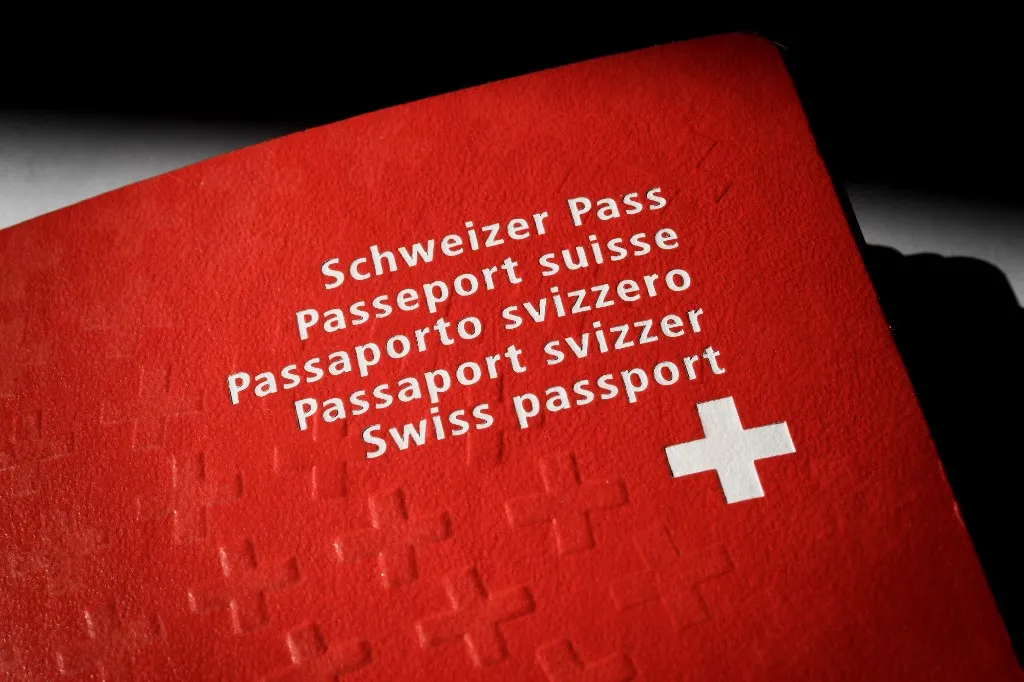
Most importantly, you will need to provide it when you apply for naturalisation.
What if you don’t want to share this document with others?
If someone in an official capacity with a valid reason (as mentioned above) asks you for your criminal record and you don’t comply, then you will not obtain the benefits you were applying for in the first place — be it a job, a place to live, or Swiss citizenship.
Advertisement
Where can you obtain your criminal records extract?
You can order it online from FDJP’s website.
All the documents you need to provide (such as a copy of your ID card), as well as payment, are indicated on this page.


