


Living in Switzerland comes with a lot of perks, but foreign nationals must follow certain rules as well. Here is what you should know.
Switzerland has much to offer to its residents, regardless of their nationality — such as political and economic stability, high standard of living, excellent infrastructure, high-quality healthcare system, and natural beauty, to mention just a few positives.
However, as a foreign resident (regardless of the type of permit you have), you also must fulfil certain obligations.
Some of them are basically the same as those expected of Swiss people, while others are specific to foreigners.
Let’s look at the rules that are the same for everyone in Switzerland — Swiss and foreigners alike.
Pay taxes
This responsibility is set in stone for all adult residents.
So regardless of whether you are a Swiss or foreign national living in Switzerland, you will be taxed on your income and assets.
The rates are set by the cantons for all adults living on their territories, and are the same regardless of nationality.
Logically, therefore, the more you earn and the more wealth you have accumulated, the higher your taxes will be – whether you are Swiss or not.
Buy health insurance
This too is compulsory for everyone, with just a handful of exemptions from this rule.
So unless you fall under the rare exemption, you must have a health insurance coverage purchased from one of the dozens of private providers.
There is no way you can dodge this rule and not be found out and penalised.
READ ALSO: What happens if I don’t buy Swiss health insurance?
Advertisement
Pay social insurance
Whether you work for a company or are self-employed, you must contribute to the social insurance scheme, known as the “first pillar” (AHV/AVS).
These contributions fund old-age and survivors’ insurance (OASI), disability insurance (DI), and other social security benefits.
Your employer will automatically deduct the amount due from your salary.
Self-employed individuals must make social security contributions at a maximum rate of 10 percent of their income.
Register at your commune
Every person living in Switzerland, whether Swiss or foreigner, must announce their arrival to their local municipal authorities within 14 days.
There is no way to circumvent this requirement; you can’t move from one location to another and stay pretty much under the radar. That’s because Swiss authorities want to know who is living in their country and where.
One of the reasons for this requirement is to be able to find you in case of need, but there are other reasons as well — for instance, for statistical purposes, so that local governments know how many residents there are in each of their communes.
This is important for calculating tax revenues, health infrastructure, emergency plans, and other logistics.
The entire process will have to be repeated when you move to another home, even if you remain in the same commune. You will have to de-register your old address and register the new one.
READ ALSO: Why you need to tell Swiss authorities where you live
Obey the law
This should be self-understood, with no further explanations needed: everyone, no matter their nationality, must comply with all rules and legal ordinances in Switzerland’s civil or criminal code.
Advertisement
What about the responsibilities only foreigners have?
Other than the five outlined above, be aware of what Switzerland expects of you:
Keep track of your work / residence permit
Depending on the kind of permit you have, it may have to be renewed each year or only after five years of residency.
In either case, you should be aware of the deadlines and procedures for extension.
Typically, you will receive a letter from local authorities approximately six weeks before the deadline reminding you to renew. There will also be an application form that you will need to fill out.
It must be submitted to your commune of residence no earlier than three months and no later than two weeks prior to the expiration date.
You will need to present your residence permit and passport, which must remain valid for at least three months after the date of the permit’s expiration.
Advertisement
Learn the local language
Unless you come from France, Germany, Italy, or Austria, and are already fluent in those languages, you need to learn the language that is spoken in your canton and community.
If you are a B-permit holder, you are required to have an A1 oral level, which means you are able to interact with other people at a basic level.
If you have a C permit, you need the A2 oral level and A1 written — the latter implying you must be able to understand and use elementary phrases and expressions.
To receive the C permit early (for instance, because you are married to a Swiss ciizen), you must have proficiency level of B1 in verbal communication allowing you to communicate without effort with native speakers, and an A1 written level.
Advertisement
Get integrated
This is a super important requirement if you hope to have a happy life in Switzerland.
Aside from being proficient in the local language, this also means respect for and compliance with Swiss values and a way of life — a broad concept that is detailed here.
But beyond adopting all the qualities, practices, and behaviours that are important to the Swiss (and by which they often judge foreigners), such as the work ethic, financial independence, and discretion, you should also be active in your local community.
How?
For instance, you could become part of local organisations.
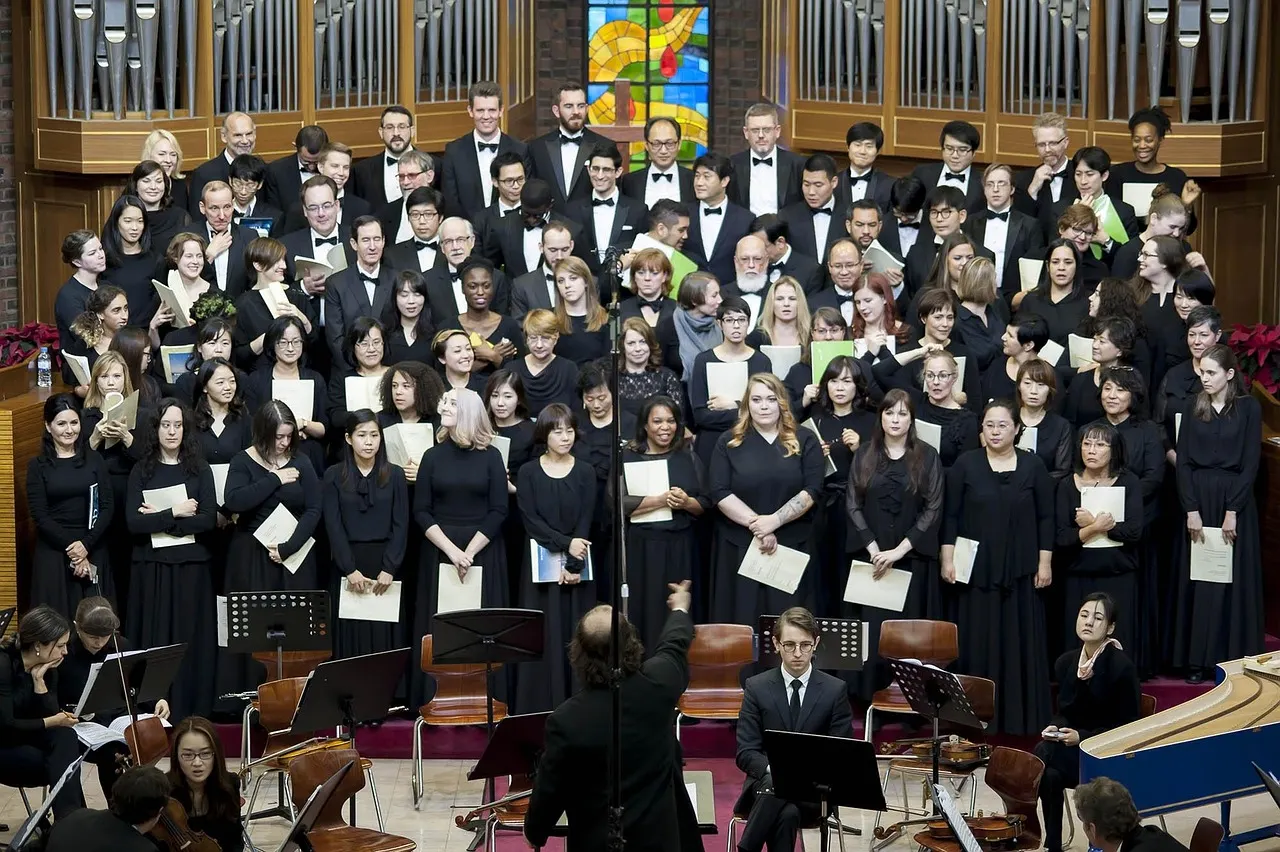
Particularly in all small towns and villages, this means joining a fire brigade, becoming a member of a local choir, sports club, or church.
READ ALSO: How foreign residents can become part of their local Swiss community
Definitely don’t be a rebel or a troublemaker in your community — only the Swiss can afford to do that.


