


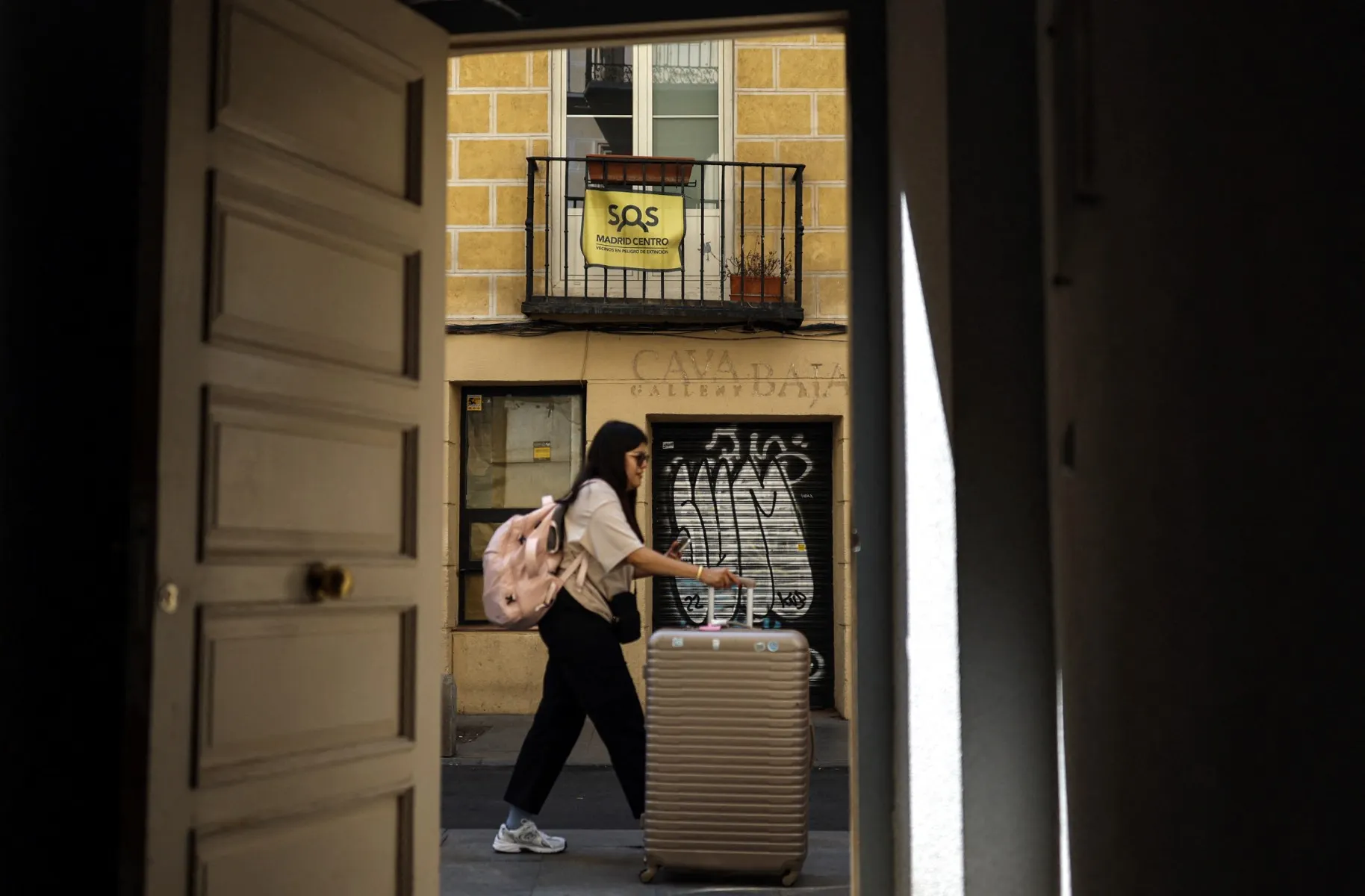
Home exchanges are becoming an increasingly popular way of having a cheap holiday in Spain, but what are the rules and regulations surrounding the practice, and are there any tax implications?
Given the rising costs of tourist accommodation, as well as the legal issues involved with renting out your property short term here in Spain, home swapping has become increasingly popular.
House swapping is exactly what it sounds like – you exchange your home with someone else for a defined time usually for vacation purposes. It could be from a few days to a few weeks.
It can either be arranged privately or through a dedicated platform such as HomeExchange, Kindred or People Like Us.
READ ALSO: Am I allowed to house swap if I’m a tenant in Spain?
Therese platforms can help you find others around the world who want to do the same. Each one works slightly differently, on some you do a direct swap, meaning you stay in someone’s home while they stay in yours, but there are also other exchanges whereby you can swap your home for guest points to use to stay a third person’s home.
The only costs typically involved are in joining up to the platform. The exchanges themselves are usually free or involve a small fee for cleaning only.
Not only does house swapping help you save money when you travel, but it can also allow you to have facilities you wouldn’t normally have at hotels such as kitchens, toys for kids, books etc.
It makes for a very affordable way to travel, although it does pose several legal and tax questions.
Advertisement
Home exchanges fall outside the usual tourist accommodation regulations because there is no financial transaction or professional activity involved with it.
Therefore, there are no rules on where it can take place, the type of building it has to be or the need for a licence, unlike regular tourist rentals. Everything is based instead on mutual trust between you and the other people staying in your home.
Currently, the Tax Agency has shown no interest in regulating or monitoring this type of exchange.
“I think it’s fair to say that these exchanges aren’t taxed at this point, because so far no one has bothered to consider how they might be,” lawyer José María Salcedo told property Portal Idealista.
“I haven’t found any administrative criteria regarding its taxation…. It’s a new concept, and for the moment it’s been largely overlooked for auditing purposes because the first thing that raises many doubts is whether it truly reflects the existence of economic capacity,” he continued.
In other European countries, the attitude towards home swapping is similar. In France and the United Kingdom, it’s considered a private, non-profit activity and would only generate tax obligations if there were additional payments or a clear economic benefit for those who take part. Currently there isn’t on most of these platforms.
Advertisement
When it comes to legalities, Antonino Joya, communication director of Spain’s Organisation of Consumers and Users (OCU) warns that you must remember that “both the exchange of addresses and the rental between individuals are activities that are not protected by Spanish consumer laws. They are mere exchanges between individuals”.
This means that there are no guarantees when you house swap and you’re not protected by Spanish law.
If you go through a home exchange website, they typically provide some type of protection, however, such as offering a type of insurance against damages up to a certain amount.
It’s important though that you also look on your home insurance policy to make sure your home is covered in this instance. In many home policies it may simply be included in the same category and letting friends or family stay in your home for example, therefore it’s unlikely you’ll need separate rental insurance.
If in doubt, it’s best to contact your insurer to find out.


