


BAKU, Azerbaijan, October 25. The U.S. railway
technology and equipment company Wabtec will supply 300 freight
locomotives to Kazakhstan, with deliveries and related services
expected to be carried out over a period of approximately 15 years,
a source at the company told Trend.
“Since these locomotives operate in Kazakhstan. They have to be
certified with local regulations (GOST Certification). The
locomotives will comply with the latest GOST Emissions
Requirements. These requirements are different from the U.S. or
European requirements,” the source said.
According to the source, there are plans for further
collaboration with Kazakhstan. The projects will focus on
developing engineering and social infrastructure, including
improving living conditions, expanding access to education,
healthcare, and utilities, and creating new jobs.
“Investments in the region are intended not only to improve the
comfort level for residents but also to strengthen social
resilience near railway hubs,” the source said.
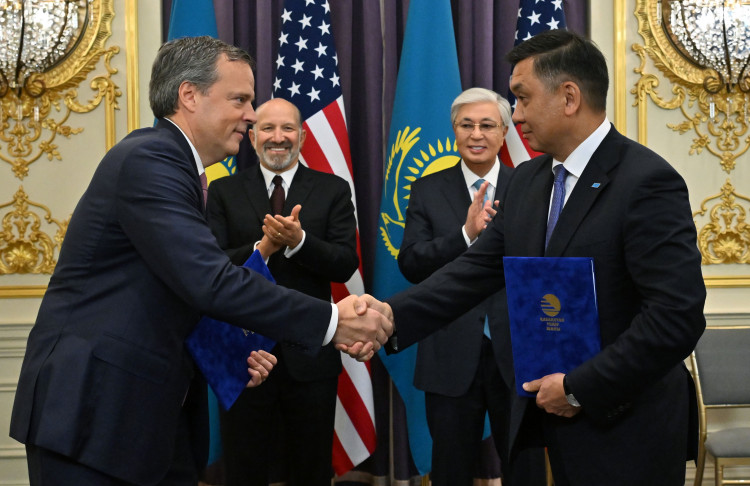
During the working visit of Kazakhstan’s President Kassym-Jomart
Tokayev to the U.S. in September 2025, attended also by U.S.
Secretary of Commerce Howard Lutnick, Wabtec and Kazakhstan’s
national railway company, Kazakhstan Temir Zholy (KTZ), signed a
$4.2 billion agreement for the supply of Evolution series
locomotives and long-term service support. The deal is aimed at a
large-scale modernization of Kazakhstan’s railway sector.
Since 2009, the Wabtec Kazakhstan locomotive assembly plant has
been operating successfully in Astana. Over this period, the
company has invested more than $230 million. The plant has produced
over 600 locomotives for KTZ and for export, achieving a production
localization level of 45 percent.
In July 2024, Wabtec opened a technology and engineering center
in Kazakhstan, which has become a hub for innovation and the
training of highly skilled personnel.
Wabtec is a leading global provider of equipment, systems,
digital solutions, and value-added services for the freight and
passenger rail industries, as well as for the mining, marine, and
industrial sectors.


