


BBC Russia Editor

 Getty Images
In the Oval Office on Monday, Donald Trump was talking tough, announcing new US arms shipments to Ukraine paid for by European governments, and threatening new tariffs which, if imposed, would hit Russia’s war chest.
But, back in Moscow, how did the stock exchange react? It rose 2.7%.
That’s because Russia had been bracing for even tougher sanctions from President Trump.
“Russia and America are moving towards a new round of confrontation over Ukraine,” Monday’s edition of the tabloid Moskovsky Komsomolets had warned.
“Trump’s Monday surprise will not be pleasant for our country.”
It wasn’t “pleasant”. But Russia will be relieved, for example, that the secondary tariffs against Russia’s trading partners will only kick in 50 days from now.
That gives Moscow plenty of time to come up with counter proposals and delay the implementation of sanctions even further.
Nonetheless, Donald Trump’s announcement does represent a tougher approach to Russia.
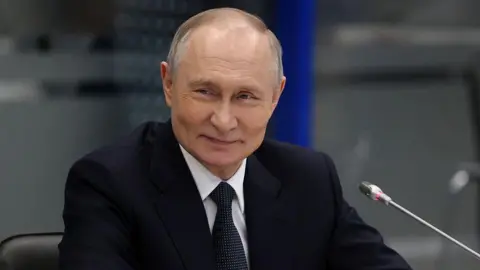
It also reflects his frustration with Vladimir Putin’s reluctance to sign a peace deal.
On his return to the White House in January, Donald Trump had made ending Russia’s war in Ukraine one of his foreign policy priorities.
For months, Moscow’s response was: “Yes, but…”
Yes, Russia said in March, when it welcomed President Trump’s proposal for a comprehensive ceasefire. But first, it said Western military aid and intelligence sharing with Kyiv should end, along with Ukrainian military mobilisation.
Yes, Moscow has been insisting, it wants peace. But the “root causes” of the war must be resolved first. The Kremlin views these very differently to how Ukraine and the West see them. It argues that the war is the result of external threats to Russia’s security: from Kyiv, Nato, ‘the collective West.’
Yet, in February 2022, it wasn’t Ukraine, Nato or the West that invaded Russia. It was Moscow that launched a full-scale invasion of Ukraine, triggering the largest land war in Europe since World War Two.
 Reuters
For quite some time, the “Yes, but…” approach enabled Moscow to avoid additional US sanctions, while continuing to prosecute the war. Keen to improve bilateral relations with Russia and negotiate a peace deal on Ukraine, the Trump administration prioritised carrots to sticks in its conversations with Russian officials.
Critics of the Kremlin warned that with “Yes, but”… Russia was playing for time. But President Trump hoped he could find a way of persuading Vladimir Putin to do a deal.
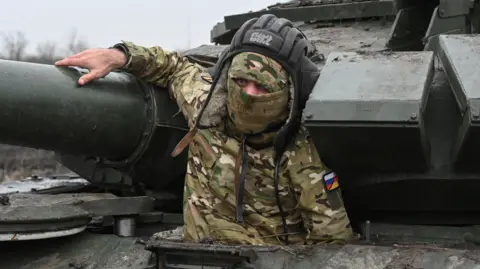
The Russian president has appeared in no rush to do so. The Kremlin believes it holds the initiative on the battlefield. It insists it wants peace, but on its terms.
Those terms include an end to Western arms shipments to Ukraine. From Donald Trump’s announcement it is clear that is not going to happen.
President Trump claims that he is “not happy” with Vladimir Putin.
But disillusionment is a two-way street. Russia, too, has been falling out of love with America’s president. On Monday, Moskovsky Komsomolets wrote:
“[Trump] clearly has delusions of grandeur. And a very big mouth.”


