


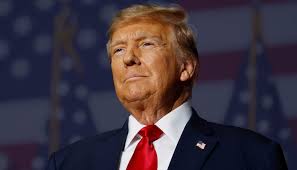
BAKU, Azerbaijan, August 8. Let’s be honest:
Donald Trump has been the punchline of countless jokes for years.
Especially in Europe and Russia, where he was written off as a
narcissist, a reality show president, someone who couldn’t finish
what he started. A guy who liked gold-plated everything but
supposedly understood nothing about diplomacy.
Well… guess what just happened.
Today, August 8, 2025, in Washington D.C., the leaders of
Armenia and Azerbaijan—two nations locked in a bitter, often bloody
conflict for over 30 years—are signing a peace deal. And the man
who got them to the table and actually across the finish line?
Donald J. Trump.
Let’s rewind. Since 1994, the Karabakh conflict has dragged on
like a geopolitical zombie, never fully alive, never truly dead.
The U.S., the EU, and Russia all claimed to want peace. They
created working groups, hosted summits, issued statements, drafted
“roadmaps.”
But the truth is, they never seriously tried to solve anything.
The conflict was too useful. It gave Washington leverage over Baku.
It gave Moscow influence in Yerevan. It gave Brussels something to
feel relevant about.
So the peace process became just that: a process. Endlessly
delayed, carefully managed, and never meant to succeed.
And then Trump came.
He didn’t show up with a 500-page negotiation manual or lectures
about democracy. He came in the way only Trump does:
straightforward, transactional, and totally focused on the
deal.
Instead of pressure, he offered incentives. Instead of dragging
things out, he moved fast. He proposed a plan that benefits
everyone economically and gives both sides something tangible in
return.
The TRIPP initiative, Trump Route for International Peace and
Prosperity – is the centerpiece of the deal. It’s not just a
corridor linking Azerbaijan to Nakhchivan. It’s a game-changing
infrastructure project: railways, pipelines, digital networks. A
new artery running through the South Caucasus, designed to bring
stability through shared prosperity.
While previous administrations tiptoed around the conflict,
afraid of upsetting delicate “balances,” Trump went all in. He
treated the region like a business deal: what do you want, what do
we want, and how do we all come out ahead?
Armenia gets out of isolation and into the global economy.
Azerbaijan gains long-term security and connectivity. The U.S.
reclaims strategic ground in a region where Russia and Iran once
dominated.
That’s not idealism. That’s execution.
Remember all those smirks in Brussels? The snide takes on
Russian state TV? The “experts” on cable news rolling their
eyes?
They’re not laughing anymore.
This deal doesn’t just bring peace closer. It exposes how hollow
and performative the West’s approach to the conflict has been for
decades. Trump didn’t just outmaneuver Russia or Europe. He
embarrassed the entire diplomatic establishment. And he did it with
the same style the world mocked him for.
You don’t have to like Trump. You don’t have to vote for him.
You don’t even have to believe he cares deeply about the
Caucasus.
But you can’t ignore the results.
While others talked, he acted. While others drafted memos, he
built momentum. While others played power games, he made peace
profitable.
In the end, history may remember this moment not just as a
breakthrough for Armenia and Azerbaijan, but as a rare case where
the guy nobody took seriously turned out to be the only adult in
the room.
Emin Aliyev is a political analyst and
Editor-in-Chief of Trend News Agency in Azerbaijan. He has covered
diplomacy, energy, and regional security in the South Caucasus for
over a decade.


