


Abdulrahman Alfadley, the Saudi Minister of Environment, Water and Agriculture was speaking as the 16th Session of the Conference of the Parties (COP) to the United Nations Convention to Combat Desertification (UNCCD) got underway in the capital of the Middle Eastern country.
The meeting, according to UNCCD, represents a “moonshot moment to raise global ambition and accelerate action on land and drought resilience through a people-centered approach.”
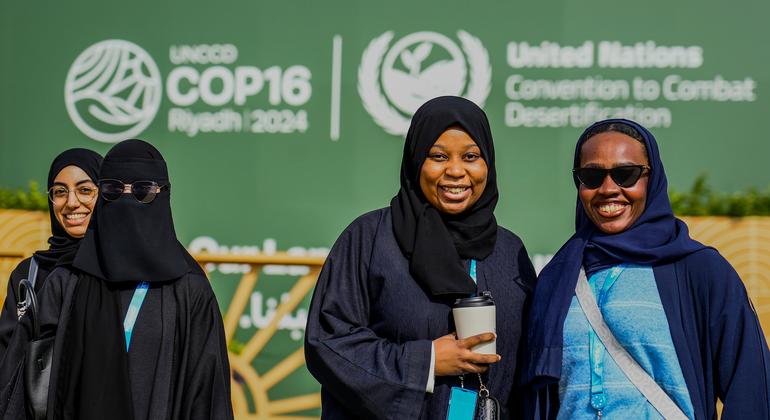
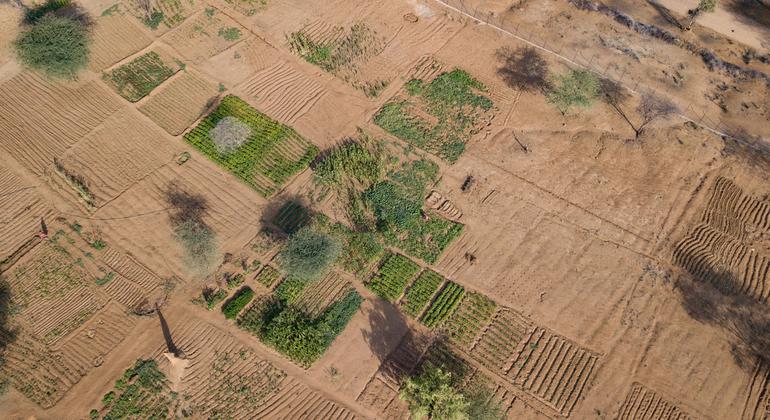
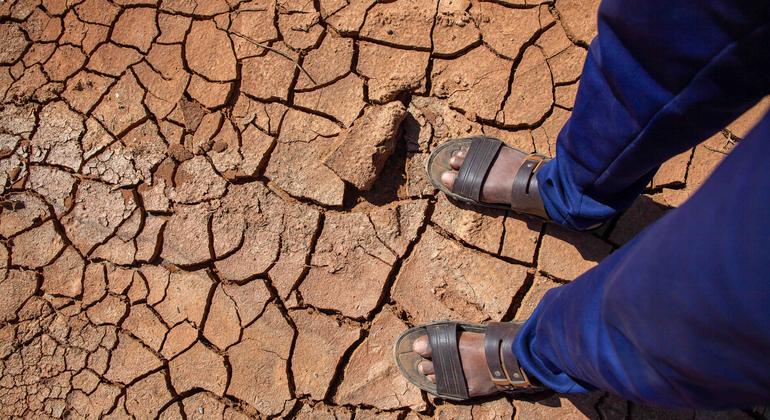
Globally up to 40 per cent of the world’s land is degraded, which means its biological or economic productivity has been reduced.
This has dire consequences for the climate, biodiversity and people’s livelihoods.
Droughts, which is a priority issue at COP16, are becoming more frequent and severe, increasing by 29 per cent since 2000 due to climate change and unsustainable land management.
Nurturing humanity
The UN desertification convention was agreed 30 years ago and the organization’s current Executive Secretary Ibrahim Thiaw highlighted the continued importance of restoring land lost to drought and desertification.
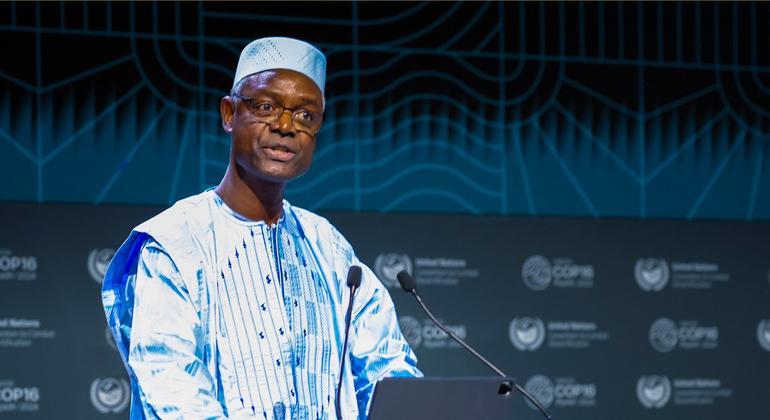
“Land restoration is primarily about nurturing humanity itself,’ he said, adding that the “way we manage our land today will directly determine the future of life on Earth.”
He spoke of his personal experience of meeting farmers, mothers, and young people affected by the loss of land. “The cost of land degradation seeps in every corner of their lives.”
“They see the rising price of groceries, in unexpected energy surcharges, and in the growing strain on their communities,” he said. “Land and soil loss are robbing poor families of nutritious food, and children of a safe future.”
Reversing of land degradation
COP16 provides the opportunity for global leaders from governments, international organizations, the private sector and civil society to come together to discuss the latest research and to chart a way forward to a sustainable future of land use.
Together the world can “reverse the trends of land degradation,” Mr Thiaw said, but only if “we seize this pivotal moment.”
In a video address to the conference, the UN Deputy Secretary-General Amina Mohammed urged delegates at COP16 to play their part and “turn the tide,” by focusing on three priorities including strengthening international cooperation.
She said it was also crucial to “ramp up” restoration efforts and work towards “the mass mobilization of finance.”
Financing these efforts is going to be challenging, and is unlikely to come from the public sector alone, but according to the UN deputy chief, “cumulative investments must total $2.6 trillion dollars by 2030; That is what the world spent on defence in 2023 alone.”
Speaking on behalf of civil society organizations attending the conference, Tahanyat Naeem Satti called for “ambitious and inclusive action at COP16,” adding that the “meaningful participation of women, youth, Indigenous Peoples, pastoralists and local communities in decision-making at all levels must be institutionalized.”
She emphasized that “their insights and lived experiences are critical for shaping policies that effectively address land degradation and promote sustainable land management and restoration.”
The conference is set to last 2 weeks until 13 December and there will be some intense discussions and negotiations as delegates push towards the following outcomes.
- Accelerate restoration of degraded land by 2030 and beyond
- Boost resilience to intensifying droughts and sand and dust storms
- Restore soil health and scale up nature-positive food production
- Secure land rights and promote equity for sustainable land stewardship
- Ensure that land continues to provide climate and biodiversity solutions
- Unlock economic opportunities, including decent land-based jobs for youth


